Introduction
Have you ever walked past a tiny dog on the street and thought I want one exactly like that, forever? You’re definitely not alone. So many people fall in love with tiny dog breeds that stay small and honestly, it’s easy to see why.
Small dogs are perfect for apartments. They’re easier to travel with. They cost less to feed. And let’s be honest, they’re absolutely adorable at every stage of life.
However, not every small dog stays small. Some breeds look tiny as puppies but grow much bigger than you expected. That’s a problem many new dog owners discover too late.
In this guide, you’ll find the best tiny dog breeds that truly stay small throughout their lives. You’ll also get practical tips, honest comparisons, and everything you need to make the right choice for your home and lifestyle.
Let’s find your perfect tiny companion.
Why Tiny Dog Breeds That Stay Small Are So Popular
Small Size, Big Personality
First, let’s talk about why these little dogs have such a massive fan following. Tiny dog breeds that stay small are not just cute, they’re genuinely practical for modern life.
For example, if you live in a small apartment, a big dog simply doesn’t fit comfortably. A tiny breed, however, thrives in smaller spaces. Also, they need less exercise than larger dogs, which makes them ideal for busy owners.
In my experience, small dog owners often say their little dogs have huge personalities. Don’t let their size fool you; these pups are confident, loving, and full of energy.
The Real Benefits of Owning a Tiny Dog
Here’s why so many people choose small breeds:
- Lower food costs small dogs eat much less than large breeds
- Easier to travel with many airlines allow tiny dogs in the cabin
- Perfect for apartments they don’t need a big yard to be happy
- Longer lifespan small breeds typically live 12 to 16 years
- Easy to handle grooming, bathing, and vet visits are simpler
Therefore, if you’re looking for a low-maintenance, loving companion, a tiny dog breed is a brilliant choice.
12 Tiny Dog Breeds That Stay Small Forever
The Ultimate Small Breed List
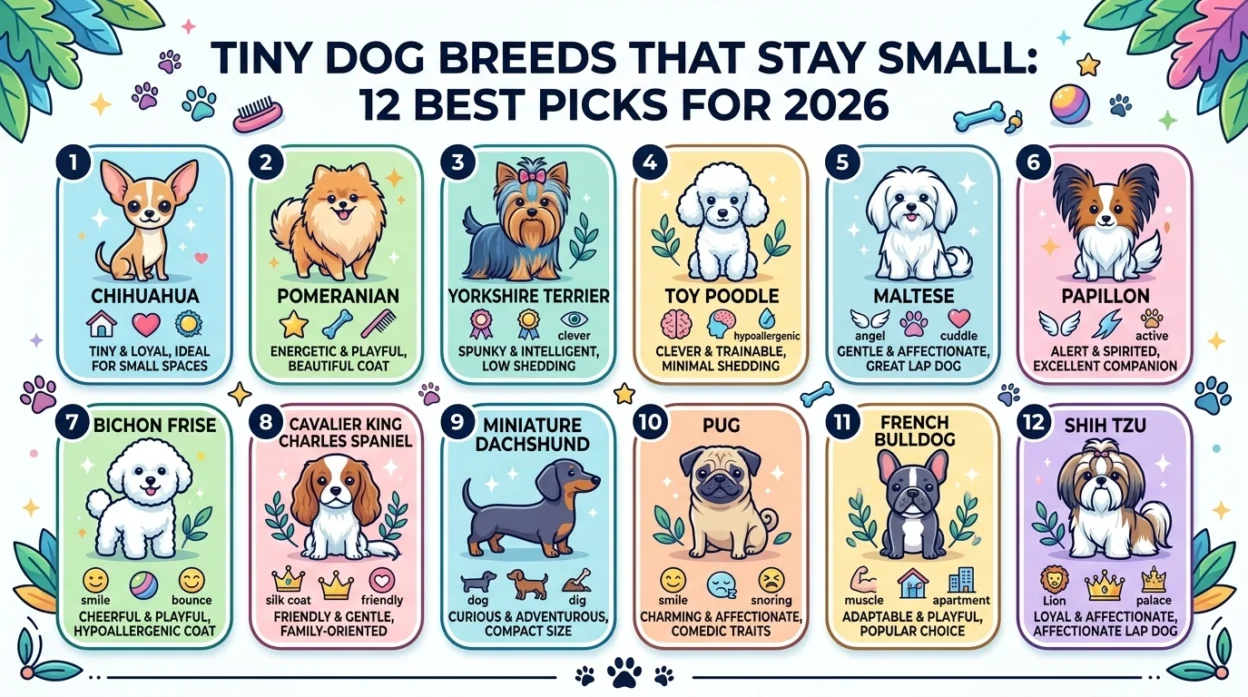
Here are the best tiny dog breeds that genuinely stay small. Each one has been chosen based on adult weight, temperament, and suitability for different lifestyles.
| Breed | Adult Weight | Height | Best For |
| Chihuahua | 2–6 lbs | 5–8 inches | Singles, seniors |
| Yorkshire Terrier | 4–7 lbs | 7–8 inches | Families, apartments |
| Pomeranian | 3–7 lbs | 6–7 inches | Active owners |
| Maltese | 4–7 lbs | 7–9 inches | First-time owners |
| Toy Poodle | 4–6 lbs | Under 10 inches | Allergy sufferers |
| Shih Tzu | 9–16 lbs | 8–11 inches | Calm households |
| Papillon | 5–10 lbs | 8–11 inches | Active families |
| Russian Toy | 3–6 lbs | 7–10 inches | Apartment living |
| Affenpinscher | 7–10 lbs | 9–11 inches | Playful owners |
| Italian Greyhound | 7–14 lbs | 13–15 inches | Active adults |
| Brussels Griffon | 8–10 lbs | 7–10 inches | Companion seekers |
| Miniature Pinscher | 8–10 lbs | 10–12.5 inches | Confident owners |
Top 5 Picks Explained in Detail
1. Chihuahua The Tiniest of All
The Chihuahua is probably the most famous tiny dog breed in the world. Adults typically weigh between 2 and 6 pounds making them the smallest recognized dog breed overall.
They’re fiercely loyal and love their owners deeply. However, they can be a little stubborn sometimes. Because of their tiny size, they do best in calm, adult-only households or with older children.
2. Yorkshire Terrier Small but Mighty
The Yorkshire Terrier or Yorkie is one of the most popular tiny breeds worldwide. Adults usually weigh between 4 and 7 pounds. They have gorgeous silky coats and bold, confident personalities.
In addition, Yorkies are surprisingly brave for their size. They make excellent watchdogs and love being the center of attention.
3. Pomeranian Fluffy and Full of Life
Pomeranians are incredibly fluffy little dogs that stay between 3 and 7 pounds as adults. Their thick double coat makes them look bigger than they actually are. However, underneath all that fluff is a very small dog.
They’re energetic, playful, and love learning tricks. As a result, they do well with owners who enjoy interactive play and training sessions.
4. Maltese Sweet and Gentle
The Maltese is a beautifully gentle breed that typically weighs between 4 and 7 pounds. Their long white silky coat is stunning though it does require regular grooming.
They’re known for being incredibly affectionate and loving. Therefore, they’re a perfect choice for first-time dog owners who want a calm, cuddly companion.
5. Toy Poodle Smart and Hypoallergenic
Toy Poodles are brilliant little dogs that weigh between 4 and 6 pounds. They’re one of the most intelligent dog breeds in the world. Also, their low-shedding coats make them ideal for people with allergies.
Because they’re so smart, they need regular mental stimulation. They love puzzle toys, training games, and learning new commands.
Pro Tip: If allergies are a concern in your home, the Toy Poodle and Maltese are your two best options. Both shed very little and are generally well-tolerated by allergy sufferers.
[Very Small Dog Breeds: 15 Tiny Dogs You’ll Absolutely Love]
How to Choose the Right Tiny Dog Breed for Your Lifestyle
Step-by-Step Selection Guide
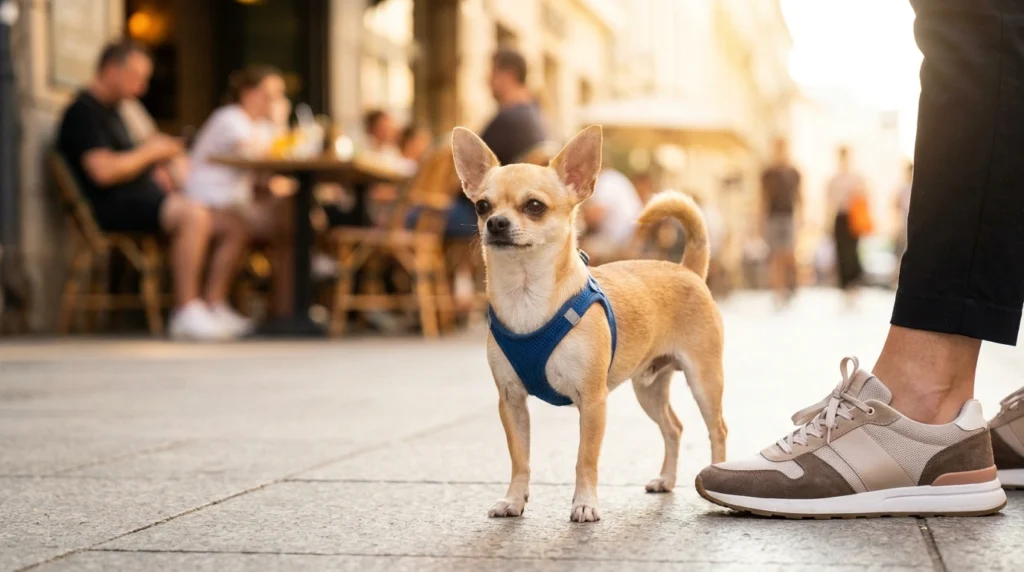
Picking the right tiny dog breed isn’t just about looks. Your lifestyle matters just as much as the dog’s appearance. Here’s how to make the smartest choice:
- Consider your living space first. All tiny breeds work well in apartments. However, some like the Pomeranian need more playtime indoors than others.
- Think about your activity level. Active owners will love the Papillon or Pomeranian. Calmer owners might prefer the Maltese or Shih Tzu instead.
- Factor in grooming time. Breeds like the Yorkshire Terrier and Maltese need daily brushing. Short-coated breeds like the Chihuahua need much less maintenance.
- Consider who lives in your home. Some tiny breeds are fragile and don’t do well with young children. The Shih Tzu and Maltese are generally more patient with kids than the Chihuahua.
- Research health issues for each breed. Many tiny breeds are prone to dental problems because of their small mouths. Always consult your vet about breed-specific health concerns before choosing.
- Set a realistic budget. Tiny dogs can be expensive to purchase from reputable breeders. Also, factor in ongoing costs like grooming, vet bills, and high-quality food.
- Visit a reputable breeder or rescue. Responsible breeders will let you meet the puppy’s parents. This helps you predict the adult size and temperament of your future dog.
Questions to Ask Yourself Before Choosing
- How much time can I dedicate to grooming each week?
- Do I have young children or elderly family members at home?
- How much exercise can I realistically provide every day?
- Am I prepared for a dog that might live 15 or more years?
Answering these questions honestly will help you choose the perfect match from the tiny dog breeds that stay small.
Common Mistakes to Avoid With Tiny Dog Breeds
Don’t Let Their Size Fool You
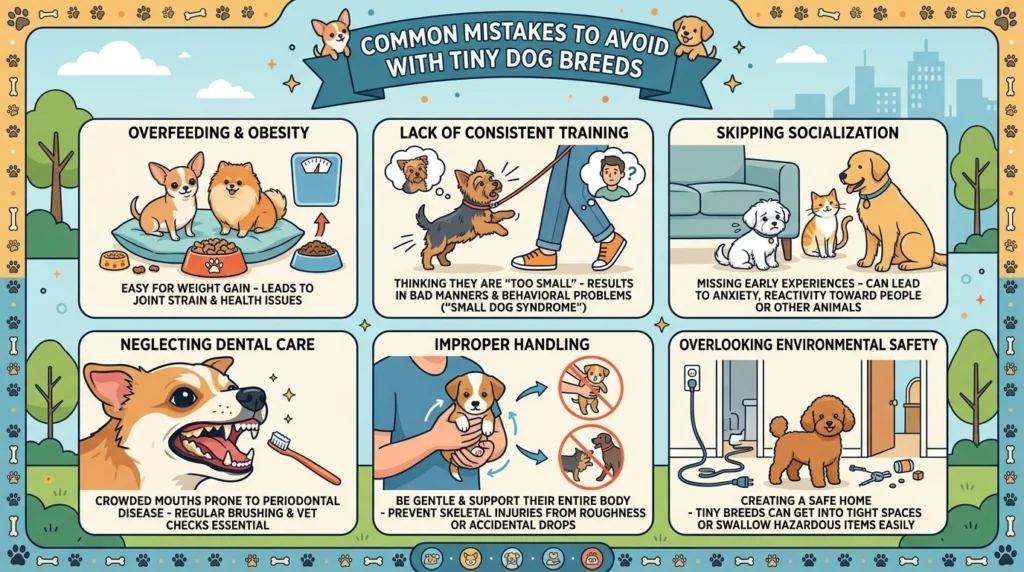
Many owners make the mistake of thinking tiny dogs need no training because they’re small. That’s simply not true. In fact, small dogs can develop serious behavioral problems without consistent training and boundaries.
Here are the most common mistakes small dog owners make:
Mistake 1 Skipping Training Because They’re Small
Just because your dog weighs 5 pounds doesn’t mean they don’t need basic obedience training. Untrained small dogs often become anxious, snappy, and difficult to manage. Therefore, start training early and be consistent.
Mistake 2 Overprotecting Your Tiny Dog
It’s tempting to carry your small dog everywhere. However, this can make them overly dependent and anxious when left alone. Let your dog walk, explore, and build confidence on their own four paws.
Mistake 3 Ignoring Dental Health
Tiny dog breeds are extremely prone to dental disease. Because their teeth are crowded into small jaws, plaque builds up quickly. Brush your dog’s teeth regularly ideally every day and schedule annual dental cleanings with your vet.
Mistake 4 Feeding the Wrong Food
Small breeds have faster metabolisms than large dogs. As a result, they need calorie-dense, high-quality food specifically formulated for small breeds. Never feed a tiny dog food designed for large breeds the kibble size and nutritional balance are completely different.
Mistake 5 Letting Children Handle Them Roughly
Tiny dogs are fragile. Their small bones can break easily if they’re dropped or handled roughly. Always supervise young children around small breeds, and teach kids how to handle them gently.
Pro Tip: Invest in a small-breed specific dry dog food from day one. Brands like Royal Canin and Hill’s Science Diet make formulas specifically designed for tiny breeds with smaller kibble sizes and appropriate calorie density.
Frequently Asked Questions About Tiny Dog Breeds That Stay Small
1. What is the smallest dog breed that stays small forever?
The Chihuahua holds the title for the world’s smallest dog breed. Adults typically weigh between 2 and 6 pounds, and they rarely grow taller than 8 inches. Because of their tiny size, they stay genuinely small throughout their entire lives, usually 12 to 20 years. The Russian Toy is another incredibly small breed, often weighing between 3 and 6 pounds as a fully grown adult.
2. Do tiny dog breeds that stay small live longer than big dogs?
Yes, generally speaking, small dog breeds live significantly longer than large breeds. Most tiny breeds live between 12 and 16 years on average. Some, like the Chihuahua, regularly live to 18 or even 20 years with good care. Large breeds, however, often live only 8 to 10 years. Therefore, choosing a tiny breed is a long-term commitment that many owners find incredibly rewarding.
3. Are tiny dog breeds good for apartments?
Absolutely tiny dog breeds are actually ideal for apartment living. Because of their small size, they don’t need large yards or vast amounts of outdoor space. Most tiny breeds are happy with short daily walks and indoor play sessions. However, they still need regular exercise and mental stimulation to stay healthy and happy. Don’t assume a small dog means no effort at all.
4. Which tiny dog breeds are best for first-time owners?
The Maltese, Shih Tzu, and Toy Poodle are consistently recommended for first-time dog owners. All three are gentle, affectionate, and relatively easy to train. The Toy Poodle is especially intelligent and responds well to positive reinforcement training. The Shih Tzu is famously calm and adaptable. However, all small breeds benefit from early socialization and consistent training regardless of how easy their temperament appears.
5. Do tiny dog breeds shed a lot?
It depends on the breed. Some tiny breeds like the Toy Poodle and Maltese are low-shedding and often recommended for allergy sufferers. Others like the Pomeranian and Chihuahua shed more noticeably, especially during seasonal changes. Therefore, if shedding is a major concern for you, choose a low-shedding breed and maintain a regular grooming routine. Brushing your dog several times per week significantly reduces shedding in all breeds.
6. Are tiny dog breeds expensive to own?
The initial purchase price from a reputable breeder can be high often between $800 and $3,000 depending on the breed and location. However, ongoing costs are generally lower than large breeds. Small dogs eat less food, need smaller accessories, and often have lower vet medication costs because of their size. That said, dental care costs can be higher for tiny breeds because of their dental disease susceptibility. Always budget for regular vet check-ups and consult your vet about breed-specific health expenses before choosing.
7. What tiny dog breed is best for seniors or elderly owners?
The Maltese, Shih Tzu, and Cavalier King Charles Spaniel (on the smaller end) are often recommended for elderly owners. All three are calm, affectionate, and don’t require intense exercise. They love sitting on laps, going on gentle walks, and spending quiet time with their owners. Also, their small size makes them easy to manage physically, an important consideration for seniors with limited mobility.
Your Perfect Tiny Companion Is Out There
Finding the right match among tiny dog breeds that stay small is genuinely one of the most rewarding decisions you can make as a dog lover. These little dogs bring enormous joy, deep loyalty, and non-stop entertainment all packed into a surprisingly small package.
The key is matching the right breed to your real lifestyle. Think about your home, your activity level, your grooming patience, and your family situation. Then choose a breed that genuinely fits not just one that looks adorable on Instagram.
Whatever breed you choose, commit to proper training, regular vet visits, quality nutrition, and plenty of love. Do those things consistently, and your tiny dog will reward you with years of unforgettable companionship.