Introduction
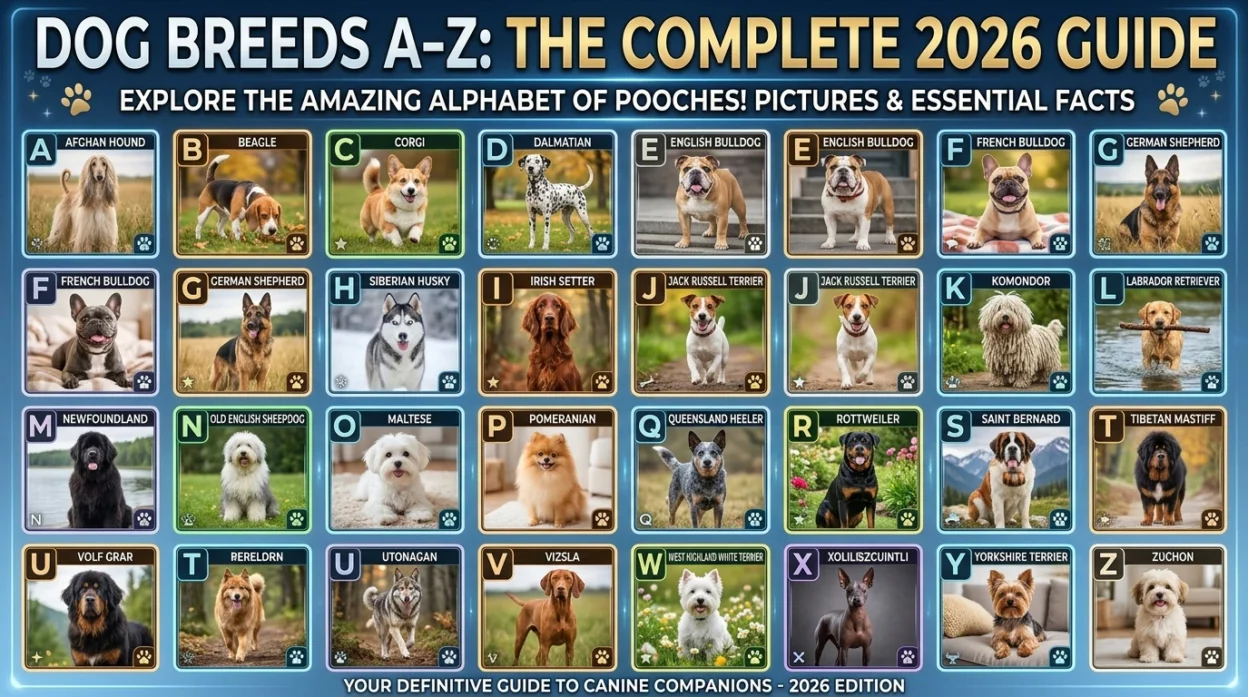
There are over 340 recognized dog breeds in the world. That’s a lot of dogs and choosing the right one for your family feels genuinely overwhelming sometimes. Whether you’re a first-time owner or an experienced dog lover, browsing dog breeds A-Z with pictures is one of the most enjoyable ways to explore your options.
Each breed has its own unique personality, energy level, grooming needs, and temperament. Therefore, understanding these differences before you commit saves you and your future dog a lot of stress. In my experience, the families who research breeds thoroughly before adopting are almost always the happiest with their choice.
This guide walks you through the most popular and beloved dog breeds from A to Z. You’ll find key details, personality snapshots, and practical care tips for each breed. Also, I’ve organized everything to make it easy to scan and compare. Let’s explore the wonderful world of dogs together.
Why Exploring Dog Breeds A-Z With Pictures Helps You Choose
The Smart Way to Find Your Perfect Dog
Have you ever fallen in love with a dog’s photo only to discover the breed needs four hours of exercise a day? It happens more often than you’d think. That’s exactly why browsing dog breeds A-Z with pictures is so valuable. Visual browsing helps you connect emotionally with a breed. However, combining that with real information helps you choose practically.
Here’s what you should look for when exploring any breed:
- Temperament is the breed gentle, playful, protective, or independent?
- Size small, medium, or large?
- Energy level couch potato or marathon runner?
- Grooming needs high maintenance or wash-and-go?
- Kid and pet friendliness essential for family households
- Trainability how easily does the breed learn commands?
- Health considerations common breed-specific conditions to know about
How Breed Groups Help You Narrow Down
The American Kennel Club organizes breeds into seven main groups. Therefore, understanding these groups helps you narrow your search quickly.
| Breed Group | Characteristics | Examples |
| Herding | Smart, energetic, responsive | Border Collie, German Shepherd |
| Hound | Independent, keen sense of smell/sight | Beagle, Greyhound |
| Sporting | Active, friendly, eager | Golden Retriever, Labrador |
| Terrier | Feisty, bold, energetic | Jack Russell, Scottie |
| Toy | Small, affectionate, companion | Chihuahua, Pomeranian |
| Working | Strong, loyal, protective | Boxer, Rottweiler |
| Non-Sporting | Diverse, varied | Bulldog, Dalmatian |
Dog Breeds A-Z With Pictures: Popular Breeds by Letter
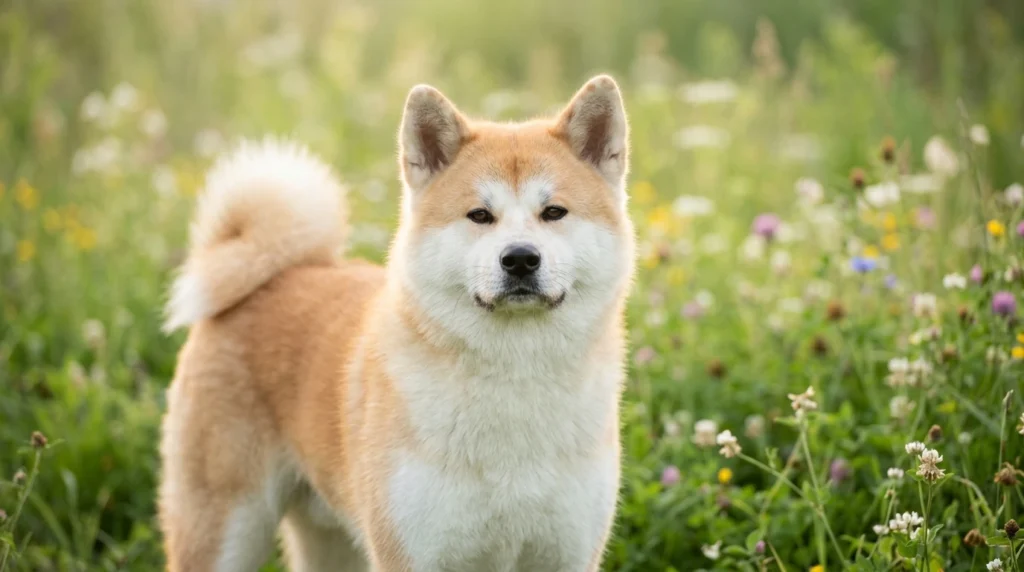
A to C Affectionate Starters
A Australian Shepherd The Australian Shepherd is a brilliant, high-energy herding dog. They’re incredibly loyal to their families. However, they need significant daily exercise and mental stimulation. Therefore, they suit active owners best.
- Size: Medium (40–65 lbs)
- Energy: Very High
- Best for: Active families with outdoor space
B Beagle Beagles are cheerful, curious, and absolutely wonderful with children. Also, their compact size makes them suitable for various living situations. However, their strong nose means they’ll follow a scent anywhere so secure fencing is essential.
- Size: Small-Medium (20–30 lbs)
- Energy: High
- Best for: Families with yards
C Cavalier King Charles Spaniel The Cavalier is one of the gentlest, most affectionate breeds you’ll find. In my experience, they’re perfect for first-time owners and families with young children. Also, they adapt beautifully to both apartment and house living.
- Size: Small (12–18 lbs)
- Energy: Moderate
- Best for: All families, especially beginners
Pro Tip: Before choosing a breed, visit the AKC’s official breed selector tool at akc.org. It matches your lifestyle to compatible breeds in minutes and saves you months of guesswork.
D to F Dynamic Mid-Alphabet Breeds
D Dachshund Dachshunds are bold, curious, and surprisingly confident for their small size. They love their families deeply. However, their long backs make them vulnerable to spinal injuries so discourage jumping from high furniture. Always consult your vet about back health for this breed.
- Size: Small (8–32 lbs depending on variety)
- Energy: Moderate
- Best for: Apartment dwellers, calmer households
E English Bulldog The English Bulldog is a calm, friendly, and deeply loyal companion. They don’t need much exercise making them ideal for less active families. Also, they’re known for their gentle nature with children, which makes them genuinely wonderful family dogs.
- Size: Medium (40–50 lbs)
- Energy: Low
- Best for: Apartment living, families with small children
F French Bulldog French Bulldogs are playful, adaptable, and absolutely charming. They rarely bark excessively, which makes them popular in urban apartments. However, because they’re brachycephalic (flat-faced), they struggle in extreme heat so monitor them carefully in summer.
- Size: Small-Medium (under 28 lbs)
- Energy: Low-Moderate
- Best for: City dwellers, first-time owners
G to I Golden Favorites and More
G Golden Retriever Is there a more universally loved family dog than the Golden Retriever? Their friendly, patient temperament makes them exceptional with children. Also, they’re highly intelligent and easy to train. Therefore, they consistently rank among the top family dogs worldwide.
- Size: Large (55–75 lbs)
- Energy: High
- Best for: Active families with space
H Havanese The Havanese is Cuba’s national dog and one of the most delightful small companion breeds available. They’re social, friendly, and low-shedding. Also, their adaptable nature means they thrive in both apartments and large homes equally well.
- Size: Small (7–13 lbs)
- Energy: Moderate
- Best for: Social families, allergy sufferers
I Irish Setter The Irish Setter is a stunning, energetic breed with a beautiful mahogany coat. They’re playful, friendly, and great with children. However, they need significant daily exercise to stay happy at least 60 minutes of vigorous activity every day.
- Size: Large (60–70 lbs)
- Energy: Very High
- Best for: Very active families with outdoor space
[Top 10 Small Dog Breeds for Families: Best Picks 2026]
J to M Joyful Companions
J Jack Russell Terrier Jack Russells are small but mighty. They’re incredibly energetic, clever, and entertaining. However, they can be stubborn so consistent training from an early age is essential. In my experience, they thrive with experienced owners who understand terrier personalities.
- Size: Small (13–17 lbs)
- Energy: Very High
- Best for: Experienced owners, active families
K King Shepherd The King Shepherd is a large, loyal, and protective breed. They’re intelligent and trainable. Also, they’re gentle giants with family members especially children when properly socialized from puppyhood.
- Size: Large (75–150 lbs)
- Energy: High
- Best for: Experienced owners with large homes
L Labrador Retriever The Labrador Retriever is consistently one of the most popular dog breeds in the world and for excellent reasons. They’re friendly, reliable, and incredibly gentle with children. Also, they’re highly trainable, which makes them popular as service and therapy dogs too.
- Size: Large (55–80 lbs)
- Energy: High
- Best for: All families, especially active ones
M Maltese The Maltese is a tiny, elegant breed with a loving personality that far exceeds its small size. They’re gentle, playful, and form incredibly strong bonds with their owners. However, their long silky coat needs daily brushing so grooming commitment matters.
- Size: Very Small (under 7 lbs)
- Energy: Moderate
- Best for: Families with older, gentle children
N to R Noble and Reliable Breeds
N Norwegian Elkhound The Norwegian Elkhound is a sturdy, energetic Nordic breed. They’re loyal and protective of their families. Also, they’re great with children though their independent streak means consistent training is important from day one.
- Size: Medium (44–51 lbs)
- Energy: High
- Best for: Outdoor-loving families
O Old English Sheepdog The Old English Sheepdog is a shaggy, lovable giant with a wonderful personality. They’re gentle, playful, and patient. However, their thick double coat needs significant grooming attention so be ready for regular brushing sessions.
- Size: Large (60–100 lbs)
- Energy: Moderate-High
- Best for: Families who enjoy grooming and bonding
P Pomeranian Pomeranians are bold, lively, and surprisingly confident for their tiny size. They make alert watchdogs and loving companions. However, they can be vocal so apartment neighbors are worth considering before adopting one.
- Size: Very Small (3–7 lbs)
- Energy: Moderate
- Best for: Singles, couples, experienced small-dog owners
R Rottweiler The Rottweiler is a powerful, loyal, and deeply devoted family protector. With proper socialization and training, they’re gentle and affectionate with family members. However, they need an experienced, confident owner who provides firm, consistent training.
- Size: Large (80–135 lbs)
- Energy: Moderate
- Best for: Experienced dog owners
S to Z Stunning Final Breeds
S Shih Tzu Shih Tzus were literally bred to be royal companions and they haven’t forgotten it. They’re affectionate, outgoing, and wonderful with children. Also, they adapt well to apartment living because of their modest exercise needs.
- Size: Small (9–16 lbs)
- Energy: Low-Moderate
- Best for: Apartment families, less active households
T Toy Poodle Toy Poodles are among the smartest dog breeds in the world. They’re incredibly trainable, hypoallergenic, and wonderfully affectionate. Therefore, they suit families with allergies who still want a highly interactive, intelligent companion.
- Size: Very Small (4–6 lbs)
- Energy: Moderate
- Best for: Allergy sufferers, families wanting an intelligent dog
V Vizsla The Vizsla is a golden-coated Hungarian hunting breed. They’re affectionate, energetic, and bond intensely with their families often earning the nickname “velcro dog.” However, they need extensive daily exercise to stay balanced and happy.
- Size: Medium-Large (44–60 lbs)
- Energy: Very High
- Best for: Very active families
W Weimaraner The Weimaraner is a sleek, athletic, and strikingly beautiful breed. They’re loyal and intelligent. However, they need significant exercise and mental stimulation otherwise they develop destructive behaviors quickly.
- Size: Large (55–90 lbs)
- Energy: Very High
- Best for: Experienced, very active owners
Y Yorkshire Terrier Yorkshire Terriers or “Yorkies” pack an enormous personality into a tiny body. They’re feisty, affectionate, and surprisingly bold. Also, their hypoallergenic coat makes them popular with allergy-prone families.
- Size: Very Small (4–7 lbs)
- Energy: Moderate
- Best for: Apartment living, experienced small-dog owners
Z Zuchon (Shichon) The Zuchon is a Bichon Frise and Shih Tzu crossbreed. They’re gentle, fluffy, and wonderfully affectionate. Also, they’re low-shedding making them a popular choice for families who want minimal dog hair around the house.
- Size: Small (9–16 lbs)
- Energy: Low-Moderate
- Best for: Families, seniors, apartment dwellers
Common Mistakes When Choosing From Dog Breeds A-Z
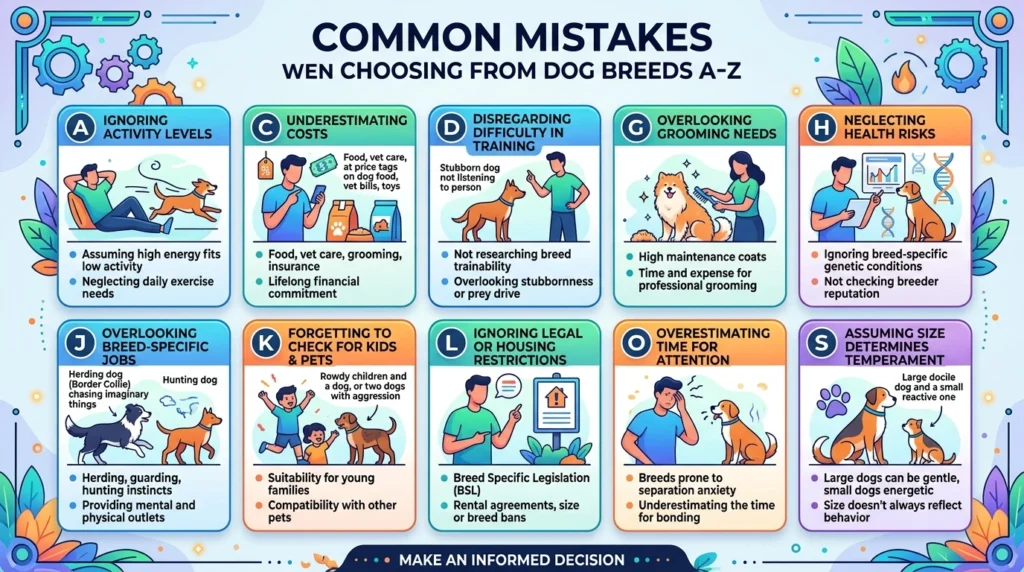
Mistake 1: Choosing a Breed Based Purely on Appearance
Looking at dog breeds A-Z with pictures naturally leads you toward beautiful breeds. However, appearance doesn’t tell you about exercise needs, temperament, or training difficulty. Therefore, always research beyond the photo before making any decision.
Mistake 2: Ignoring Energy Level Match
This is the most common mistake I see new dog owners make. A beautiful Siberian Husky in pictures might seem perfect. However, without two hours of daily exercise, they become destructive and unhappy quickly. Therefore, always match the breed’s energy level to your actual daily lifestyle not your ideal lifestyle.
Mistake 3: Underestimating Grooming Needs
Grooming costs and time commitment vary dramatically between breeds. For example, a Shih Tzu’s long coat needs daily brushing and regular professional grooming. A Beagle, however, needs minimal grooming. Therefore, factor grooming realistically into your decision both in time and budget.
Mistake 4: Skipping Health Research
Every breed carries specific health predispositions. For example, large breeds often face hip dysplasia. Brachycephalic breeds like Pugs face breathing challenges. Therefore, research common health issues for any breed you’re seriously considering and always consult your vet about breed-specific care before adopting.
Mistake 5: Not Considering the Dog’s Full Lifespan
Dogs live 10 to 16 years sometimes longer. Therefore, choosing a breed means committing to that dog’s entire life, including senior care years. Consider how your lifestyle might change over the next decade. As a result, you’ll make a more thoughtful, sustainable choice for both you and your future dog.
Pro Tip: Visit a local dog show or breed-specific meet-up group before deciding. Spending time with real dogs of a breed you’re considering tells you far more than any photo or article ever could. Most breed enthusiasts love sharing information and are incredibly welcoming to newcomers.
Frequently Asked Questions About Dog Breeds A-Z With Pictures
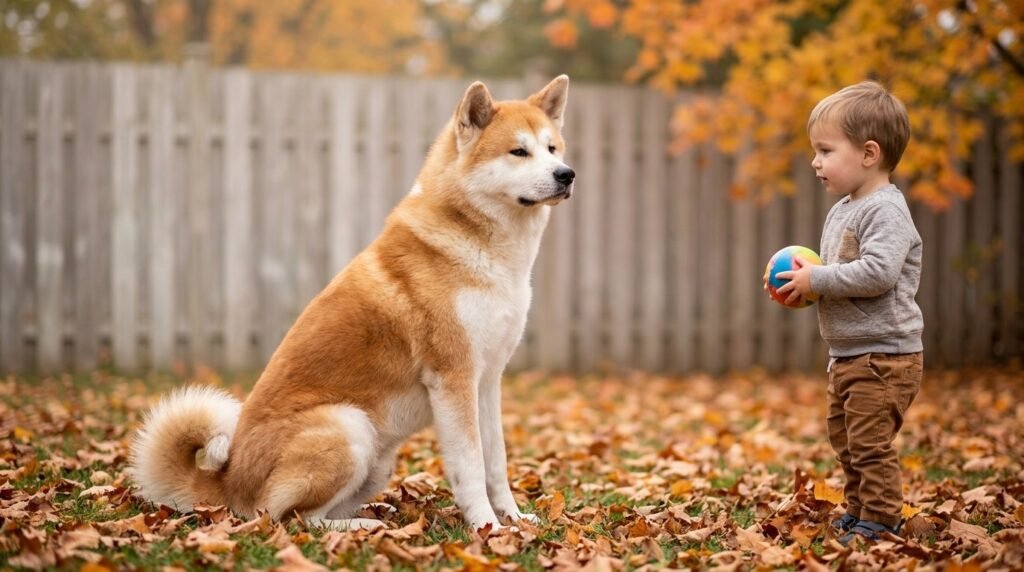
1. How many official dog breeds exist worldwide?
The Fédération Cynologique Internationale (FCI) recognizes approximately 340 dog breeds worldwide. However, the American Kennel Club currently recognizes 200 officially. Also, new breeds gain recognition regularly as breed clubs meet population and documentation requirements. Therefore, browsing dog breeds A-Z with pictures gives you a wonderful starting point though the full list continues to grow over time.
2. Which dog breeds are best for first-time owners?
Several breeds are particularly well-suited to first-time owners because of their gentle temperament and trainability. The best options include:
- Labrador Retriever friendly, forgiving, easy to train
- Golden Retriever patient, gentle, highly adaptable
- Cavalier King Charles Spaniel calm, affectionate, easy-going
- Bichon Frise cheerful, manageable, low-shedding
- Pug low exercise needs, loving, good-natured
However, every dog needs consistent training and socialization regardless of breed. Therefore, invest in puppy classes early even with an easy breed.
3. What is the most popular dog breed in the world?
The French Bulldog recently overtook the Labrador Retriever as the most registered breed with the American Kennel Club ending the Labrador’s remarkable 31-year run at the top. However, Labrador Retrievers remain the most popular family dog globally when broader surveys are considered. Also, Golden Retrievers, German Shepherds, and Poodles consistently rank among the world’s most beloved breeds year after year.
4. Which dog breeds are hypoallergenic?
No dog breed is 100% hypoallergenic all dogs produce some level of dander. However, several breeds produce significantly fewer allergens than others. The most commonly recommended low-allergen breeds include:
- Poodle (all sizes)
- Bichon Frise
- Maltese
- Yorkshire Terrier
- Miniature Schnauzer
- Havanese
- Portuguese Water Dog
If allergies are a concern, spend time with the specific breed before adopting. Also, consult your doctor about managing pet allergies effectively.
5. How do I find the right dog breed for my lifestyle?
Start by honestly assessing your daily routine, living space, and energy level. Then consider these key questions:
- How much time can you dedicate to exercise daily?
- Do you have children or other pets at home?
- How much space do you have indoors and outdoors?
- What’s your grooming time and budget commitment?
- Do you have any household members with allergies?
After that, use the AKC’s breed selector tool at akc.org for personalized suggestions. Also, talking to breed-specific rescue organizations gives you honest, real-world insights that no website fully captures.
6. Are mixed-breed dogs better than purebred dogs?
Mixed-breed dogs often benefit from what’s called “hybrid vigor” generally better health and fewer genetic conditions than some purebred lines. However, purebred dogs offer predictability in temperament, size, and care needs. Therefore, neither is universally “better.” The right choice depends on your priorities. Also, millions of wonderful mixed-breed dogs need homes in shelters adoption is always worth considering alongside purchasing from a reputable breeder.
7. What’s the easiest dog breed to train?
Border Collies, Poodles, and Labrador Retrievers consistently rank as the most trainable breeds. However, trainability also depends on your consistency, patience, and training method. Positive reinforcement rewarding good behavior rather than punishing bad works best for virtually every breed. Therefore, even breeds with independent personalities respond well to patient, reward-based training over time.
Start Your Dog Breed Journey Today
Exploring dog breeds A-Z with pictures is just the beginning of one of the most rewarding journeys you’ll ever take. Every breed on this list brings something unique and wonderful to offer from the gentle Cavalier to the spirited Jack Russell to the loyal Labrador.
The key is matching the right breed to your real lifestyle not your ideal one. Therefore, take your time, visit dogs in person when possible, and talk to experienced owners before deciding. Also, always consult your vet about breed-specific health considerations after you’ve made your choice.