Introduction
Your dog can’t tell you when something feels wrong. That’s one of the hardest parts of being a dog owner. One day your pup seems perfectly fine and the next day they’re lethargic, not eating, or showing signs that something isn’t right.
Recognizing dog diseases and symptoms early can genuinely save your dog’s life. Many serious conditions are highly treatable when caught in the early stages. However, when owners miss the warning signs, diseases progress quickly and outcomes become much worse.
In my experience, most dog owners want to do the right thing. They just don’t always know what to look for. Therefore, this guide gives you a clear, practical breakdown of the most common dog diseases, their symptoms, and when to seek veterinary help immediately.
You’ll also find a helpful comparison table, warning signs to never ignore, and answers to the questions most owners ask. Let’s make sure you’re fully equipped to protect your dog’s health every single day.
Most Common Dog Diseases and Symptoms to Watch For
Why Early Detection Matters So Much
Dogs hide pain and illness instinctively. Because of this natural behavior, symptoms often appear only after a disease has already progressed. Therefore, knowing what to look for before things get serious is one of the most valuable skills you can develop as a dog owner.
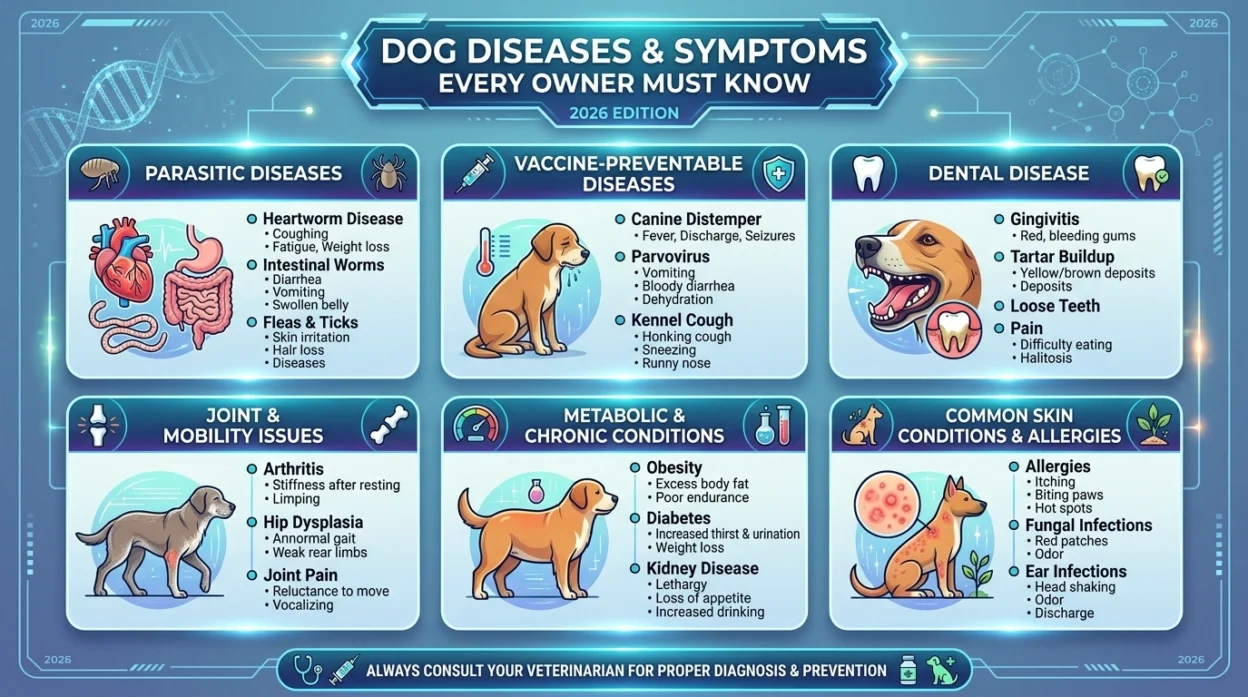
Here are the most important dog diseases and symptoms you need to know about:
1. Canine Parvovirus
Parvovirus is one of the most dangerous dog diseases especially for puppies. It spreads through contact with infected feces and attacks the digestive system aggressively.
Symptoms to watch for:
- Severe, bloody diarrhea
- Vomiting repeatedly
- Extreme lethargy and weakness
- Loss of appetite completely
- Fever or low body temperature
What to do: Contact your vet immediately. Parvovirus progresses rapidly. Because it’s life-threatening without treatment, don’t wait to see if symptoms improve on their own.
2. Canine Distemper
Distemper affects a dog’s respiratory, gastrointestinal, and nervous systems. Also, it spreads easily through airborne exposure to infected dogs.
Symptoms to watch for:
- Runny nose and eyes
- Coughing and sneezing
- Fever
- Seizures or muscle twitching
- Hardening of paw pads
What to do: Vaccination prevents distemper effectively. Therefore, keeping your dog’s vaccine schedule current is critical. If you notice neurological symptoms, seek emergency vet care right away.
3. Kennel Cough (Infectious Tracheobronchitis)
Kennel cough is highly contagious but usually not life-threatening for healthy adult dogs. However, puppies, seniors, and immunocompromised dogs face higher risks.
Symptoms to watch for:
- Persistent, dry, honking cough
- Retching or gagging after coughing
- Mild lethargy
- Runny nose
- Reduced appetite
What to do: Rest and supportive care help most dogs recover within 1–3 weeks. However, always consult your vet especially if your dog’s cough is severe or lasts longer than two weeks.
4. Canine Diabetes
Diabetes in dogs is more common than most owners realize. In fact, it affects approximately 1 in 300 dogs. Because symptoms develop gradually, many owners miss the early signs for months.
Symptoms to watch for:
- Excessive thirst and urination
- Sudden weight loss despite normal eating
- Cloudy eyes (cataracts)
- Recurring infections
- Lethargy and weakness
What to do: Diabetes is manageable with proper veterinary care. Therefore, if you notice increased thirst and urination together, schedule a vet appointment promptly. Early diagnosis makes management significantly easier.
5. Hip Dysplasia
Hip dysplasia is a structural condition where the hip joint develops abnormally. Also, it’s especially common in larger breeds like German Shepherds, Labradors, and Golden Retrievers.
Symptoms to watch for:
- Difficulty rising from lying down
- Reluctance to climb stairs
- Bunny-hopping gait when running
- Visible muscle loss in hind legs
- Pain or sensitivity around the hips
What to do: Consult your vet for imaging and diagnosis. Treatment ranges from weight management and physiotherapy to surgery in severe cases.
Pro Tip: If your large breed dog seems stiff after rest, especially in the morning, don’t dismiss it as “just getting older.” Early hip dysplasia assessment gives you far more treatment options. Always consult your vet for a proper evaluation.
6. Ear Infections (Otitis Externa)
Ear infections rank among the most common reasons owners visit the vet. Because dogs with floppy ears and dogs who love swimming trap moisture easily, they’re especially vulnerable.
Symptoms to watch for:
- Head shaking frequently
- Scratching at ears constantly
- Redness or swelling inside the ear
- Dark discharge or strong odor
- Whimpering when ears are touched
What to do: Never try to treat ear infections with home remedies alone. Therefore, see your vet for a proper diagnosis. Infections can be bacterial, yeast-based, or both, and each requires different treatment.
7. Canine Obesity
Obesity affects over 50% of dogs in the United States. However, many owners simply don’t recognize it as a disease; they see a “happy chunky dog” rather than a health concern.
Symptoms to watch for:
- Ribs difficult to feel under fat layer
- No visible waist when viewed from above
- Low energy and reluctance to exercise
- Difficulty breathing during mild activity
- Weight confirmed above healthy range by vet
What to do: Start with a vet-recommended weight management plan. Also, consider switching to a lower-calorie food and measuring every meal precisely.
[Dog Health Issues Symptoms: Warning Signs Every Owner]
How to Monitor Your Dog’s Health at Home: Step-by-Step

A Simple Weekly Health Check Routine
You don’t need to be a vet to catch early warning signs. Therefore, use this simple weekly home check routine to stay ahead of potential problems:
- Check the eyes look for cloudiness, discharge, or redness
- Examine the ears smell for odor, look for dark buildup or redness
- Feel the gums healthy gums are pink and moist, not pale or sticky
- Run hands along the body feel for lumps, bumps, or painful areas
- Observe the coat look for bald patches, excessive scratching, or dull fur
- Watch bathroom habits note any changes in stool consistency or urination frequency
- Monitor energy levels sudden changes in activity are often the first sign of illness
- Weigh your dog monthly unexpected weight loss or gain deserves vet attention
When to Call Your Vet Immediately
Some symptoms need urgent attention. Don’t wait for a scheduled appointment. Contact your vet right away if your dog shows:
- Difficulty breathing or gasping
- Collapse or inability to stand
- Seizures or uncontrolled trembling
- Swollen, distended abdomen
- Suspected poisoning or toxin ingestion
- Pale, white, or blue-tinged gums
- Uncontrolled bleeding
- Signs of extreme pain
Dog Diseases and Symptoms Comparison: Quick Reference Table
At-a-Glance Disease Guide
| Disease | Key Symptoms | Urgency Level | Prevention |
| Parvovirus | Bloody diarrhea, vomiting, lethargy | 🔴 Emergency | Vaccination |
| Distemper | Respiratory signs, seizures | 🔴 Emergency | Vaccination |
| Kennel Cough | Dry honking cough | 🟡 Moderate | Bordetella vaccine |
| Diabetes | Excessive thirst, weight loss | 🟡 Moderate | Weight management |
| Hip Dysplasia | Stiffness, mobility issues | 🟡 Moderate | Breed screening |
| Ear Infection | Head shaking, odor, discharge | 🟡 Moderate | Regular ear cleaning |
| Obesity | Weight gain, low energy | 🟢 Manageable | Diet and exercise |
| Heartworm | Coughing, fatigue, weight loss | 🔴 Emergency | Monthly prevention |
| Dental Disease | Bad breath, difficulty eating | 🟡 Moderate | Regular brushing |
| Arthritis | Stiffness, limping, pain | 🟡 Moderate | Weight management, supplements |
Understanding the Urgency Levels
First, treat any 🔴 Emergency symptoms as needing same-day or emergency vet care. Then, address 🟡 Moderate symptoms within 24–48 hours by scheduling a vet appointment. Finally, 🟢 Manageable conditions still need veterinary guidance however, they allow more time for a planned consultation.
Warning Signs Dog Owners Should Never Ignore
The Symptoms That Always Need Vet Attention
Many dog owners second-guess themselves when they notice something unusual. However, certain symptoms should never wait because delaying treatment genuinely worsens outcomes.
Never ignore these warning signs:
- Sudden behavioral changes aggression, hiding, or unusual fear can signal pain or neurological issues
- Loss of appetite lasting more than 24 hours especially in puppies or seniors
- Vomiting more than twice in 24 hours particularly if blood is present
- Diarrhea lasting more than 48 hours dehydration risk becomes serious quickly
- Limping that doesn’t improve even mild limping can indicate fractures or joint disease
- Excessive drinking and urination together a classic sign of diabetes or kidney disease
- Coughing at night or after exercise can indicate heart disease or heartworm
- Lumps or bumps that grow quickly always worth getting checked promptly
The “48-Hour Rule” for Dog Health
Here’s a simple guideline I always share with dog owners. If a symptom is mild and your dog is otherwise acting normally, monitor closely for 48 hours. However, if the symptom worsens or your dog stops eating or drinking during that window, call your vet without delay.
This rule doesn’t apply to emergency symptoms. Those always need immediate action.
Pro Tip: Keep a simple health journal for your dog. Note any unusual symptoms, behavioral changes, appetite shifts, or bathroom habit changes. This record becomes invaluable when you visit your vet because patterns that seem minor individually often reveal something important when viewed together over time.
Frequently Asked Questions About Dog Diseases and Symptoms
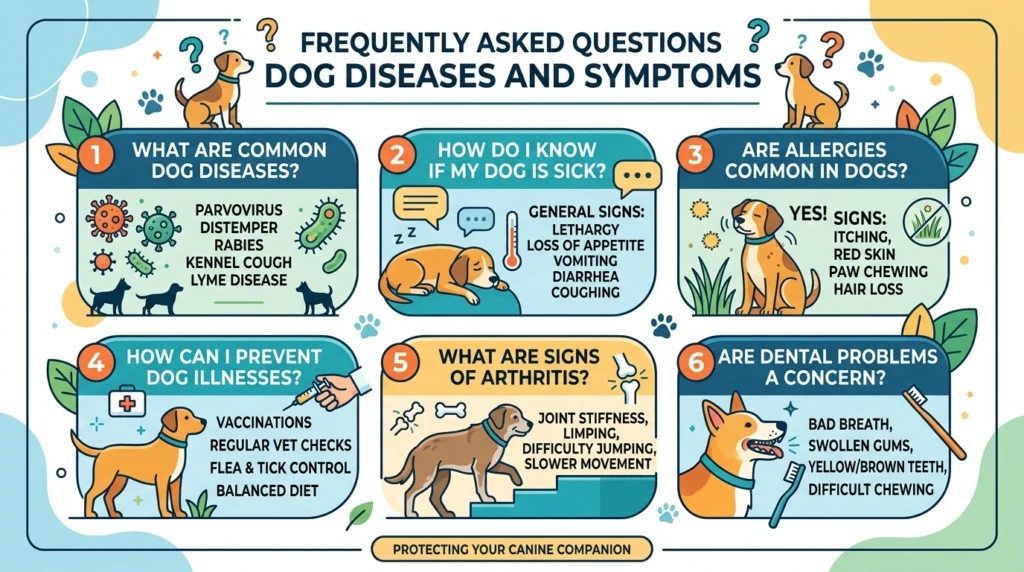
1. What are the most common dog diseases and symptoms owners miss?
The most commonly missed dog diseases and symptoms include early dental disease, diabetes, and hip dysplasia. Because these conditions develop gradually, owners often attribute early signs to normal aging. For example, a dog that drinks more water or seems stiffer in the morning may already be in early-stage disease. Therefore, regular annual vet check-ups even for apparently healthy dogs catch these conditions before they become serious problems.
2. How do I know if my dog is seriously ill or just having an off day?
Watch for combinations of symptoms rather than single signs. A dog that skips one meal but otherwise acts normally is probably fine. However, a dog that skips meals, shows lethargy, AND has diarrhea together needs vet attention promptly. Also, any symptom involving breathing difficulty, collapse, seizures, or pale gums is always an emergency regardless of what else is happening. Trust your instincts as an owner too. You know your dog’s normal behavior better than anyone.
3. What dog diseases are contagious to other dogs?
Several serious dog diseases spread easily between dogs. These include:
- Parvovirus spreads through infected feces
- Kennel cough spreads through airborne droplets
- Canine distemper spreads through respiratory secretions
- Canine influenza spreads through contact and airborne droplets
- Ringworm spreads through direct contact
Therefore, always keep vaccinations current and avoid dog parks or boarding facilities during known outbreaks. Also, isolate any new or recently ill dogs until they receive veterinary clearance.
4. Can dog diseases spread to humans?
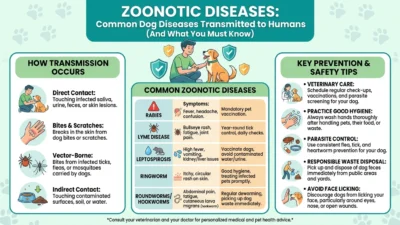
Some dog diseases are zoonotic meaning they can potentially spread from dogs to humans. However, most common canine illnesses don’t transmit to people. Conditions that can spread include ringworm, certain bacterial infections like leptospirosis, and intestinal parasites like roundworms. Therefore, always wash hands after handling dog feces, keep up with your dog’s parasite prevention, and consult both your vet and doctor if you’re concerned about potential transmission.
5. How can I prevent the most common dog diseases?
Prevention genuinely saves lives and it’s simpler than most owners think. Here’s what makes the biggest difference:
- Keep vaccinations current core vaccines prevent parvovirus, distemper, and rabies
- Use monthly heartworm prevention heartworm is devastating but entirely preventable
- Maintain a healthy weight obesity triggers or worsens diabetes, arthritis, and heart disease
- Schedule annual vet check-ups even healthy dogs benefit from yearly health screening
- Practice regular dental care dental disease affects 80% of dogs over age three
- Use flea and tick prevention parasites transmit several serious diseases
- Feed a balanced, quality diet proper nutrition supports immune function significantly
6. What are the signs of pain in dogs?
Dogs rarely cry out in pain. Instead, they show more subtle signs. Watch for:
- Hunching or guarding a specific body area
- Panting excessively without heat or exercise
- Snapping or growling when touched in certain spots
- Loss of appetite combined with lethargy
- Reluctance to move, jump, or climb stairs
- Glazed or distant expression
- Licking or chewing at a specific area repeatedly
If you notice several of these signs together, consult your vet promptly because pain management improves quality of life significantly and quickly.
7. Are older dogs more vulnerable to disease?
Yes, senior dogs face higher risks for several conditions. Therefore, dogs over age seven benefit from twice-yearly vet check-ups rather than annual ones. Common senior dog health concerns include arthritis, dental disease, cognitive decline, kidney disease, and cancer. However, many of these conditions are very manageable when caught early. Also, diet adjustments and appropriate exercise can significantly slow the progression of age-related conditions in older dogs.
Knowledge Is Your Dog’s Best Protection
Understanding dog diseases and symptoms is one of the most practical things you can do as a dog owner. Early recognition genuinely changes outcomes. A symptom caught at week one is almost always more treatable than the same symptom caught at week eight.
Use the weekly home health check routine in this guide. Keep a simple health journal. Know which symptoms need emergency care and which can wait 24 hours. Most importantly, build a strong relationship with a trusted veterinarian who knows your dog’s individual health history.
Your dog depends on you to notice when something’s wrong. Now you have the knowledge to do exactly that.