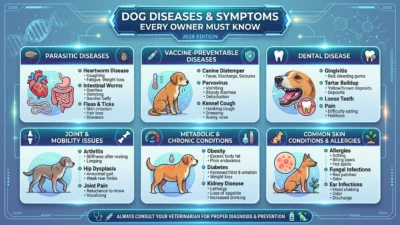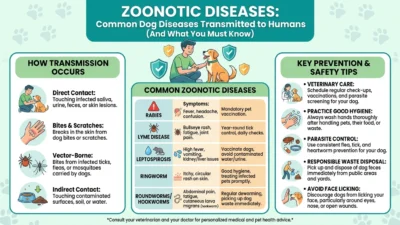
Introduction
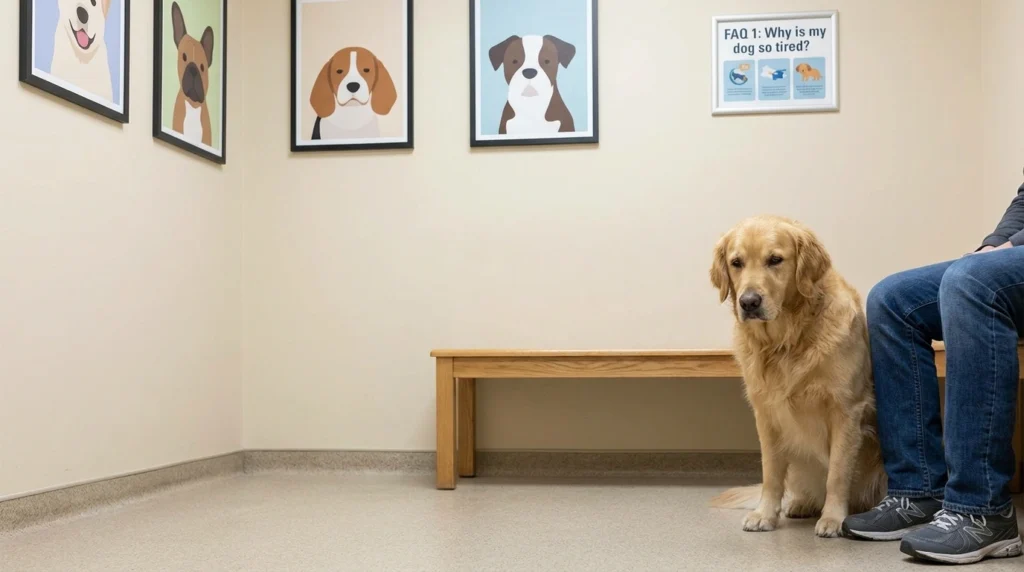
Your dog can’t tell you when something feels wrong. That’s what makes being a dog owner both wonderful and genuinely scary sometimes. One day your pup is bouncing around the kitchen. The next day they’re quiet, refusing food, and something just feels off.
Recognizing dog health issues symptoms early can literally save your dog’s life. However, most owners don’t know what to look for until a problem becomes serious. That’s not your fault nobody hands you a health guide when you bring a puppy home.
In my experience, the dog owners who catch problems early are the ones who know their dog’s normal baseline. They notice small changes quickly. As a result, they get help sooner and their dogs recover faster.
This guide covers the most important dog health issues and symptoms you need to know. You’ll learn what’s normal, what’s a warning sign, and exactly when to call your vet. Let’s make sure you’re ready for whatever comes your way.
Common Dog Health Issues Symptoms You Should Never Ignore
Why Early Detection Matters So Much
Dogs instinctively hide pain and illness. Because of this survival instinct, symptoms often appear late after a problem has already developed. Therefore, knowing what subtle signs to watch for gives you a real advantage as a dog owner.
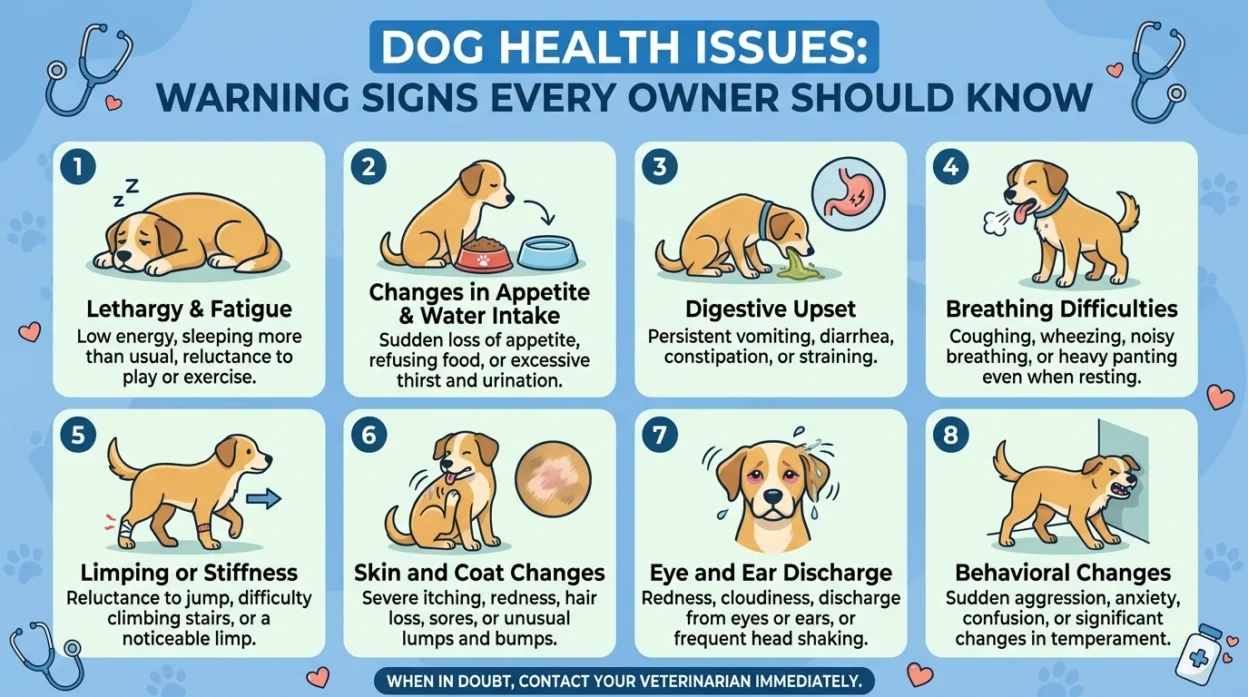
Here are the most common dog health issues symptoms that deserve your attention:
Digestive Symptoms
- Vomiting occasional vomiting may be normal, but repeated vomiting signals a problem
- Diarrhea especially if it lasts more than 24 hours or contains blood
- Loss of appetite skipping one meal occasionally is fine, but two or more meals is concerning
- Bloating or distended belly this can indicate a life-threatening condition called GDV (gastric dilatation-volvulus)
- Straining to defecate may signal constipation or a more serious blockage
Behavioral Symptoms
- Lethargy a normally active dog suddenly sleeping excessively is a red flag
- Hiding or withdrawal dogs in pain often isolate themselves
- Aggression sudden aggression in a previously gentle dog often signals pain
- Restlessness or inability to settle especially common with internal discomfort
- Confusion or disorientation possible sign of neurological issues or poisoning
Physical Symptoms
- Excessive thirst or urination these are classic signs of diabetes or kidney disease
- Unexplained weight loss losing weight without a diet change needs investigation
- Lumps or bumps not always cancerous, but always worth checking
- Pale or yellow gums healthy gums should be pink and moist
- Difficulty breathing any labored breathing is an emergency
How to Check Your Dog for Health Issues Symptoms at Home

A Simple Step-by-Step Health Check Routine
You don’t need to be a vet to spot early warning signs. Therefore, use this simple weekly home health check to monitor your dog consistently.
- Check the eyes. Healthy eyes are bright and clear. However, cloudiness, redness, discharge, or squinting all indicate a potential problem worth noting.
- Examine the ears. Smell inside the ear gently. A strong odor or dark discharge suggests an ear infection. Also, watch for your dog shaking their head or scratching their ears frequently.
- Look at the gums and teeth. Press your finger gently on the gum. The pink color should return within two seconds after you remove your finger. Yellow gums, pale gums, or bad breath beyond normal dog breath deserve a vet visit.
- Feel along the body. Run your hands gently along your dog’s body from neck to tail. Feel for any new lumps, tender spots, or areas your dog reacts to with flinching or pulling away.
- Check the coat and skin. Healthy fur is shiny and smooth. Therefore, patches of hair loss, excessive scratching, redness, or flakiness all point to skin or allergy issues.
- Observe the walk and movement. Watch your dog walk normally. Limping, stiffness after rest, or reluctance to climb stairs may indicate joint pain or injury.
- Monitor water intake and bathroom habits. Track roughly how often your dog drinks and urinates. Sudden increases in either are important early warning signs of metabolic disease.
Pro Tip: Keep a simple weekly log of your dog’s weight, appetite, water intake, and energy level. This baseline record makes it much easier to spot gradual changes and gives your vet incredibly useful information during appointments.
Dog Health Issues Symptoms by Body System: Quick Reference Guide
Understanding What Each Symptom Might Mean
| Symptom | Possible Cause | Urgency Level |
| Vomiting (repeated) | Gastritis, blockage, poisoning | High call vet today |
| Diarrhea with blood | Parvovirus, hemorrhagic gastro | Emergency go immediately |
| Excessive thirst | Diabetes, kidney disease, Cushing’s | Medium vet within 2 days |
| Coughing frequently | Kennel cough, heart disease, tracheal collapse | Medium vet within 48 hours |
| Labored breathing | Heart failure, fluid in lungs, foreign object | Emergency go immediately |
| Limping | Sprain, arthritis, fracture, Lyme disease | Medium vet within 24–48 hours |
| Pale or white gums | Anemia, internal bleeding, shock | Emergency go immediately |
| Sudden weight loss | Cancer, diabetes, parasites, kidney disease | High vet within 2–3 days |
| Seizures | Epilepsy, poisoning, brain tumor | Emergency go immediately |
| Bloated belly | GDV (bloat), fluid accumulation | Emergency go immediately |
| Lethargy lasting 2+ days | Infection, pain, depression, illness | High call vet today |
| Yellow skin or gums | Liver disease, jaundice | High call vet today |
How to Use This Table
First, identify the symptom you’re seeing. Then check the urgency level. For example, if your dog has pale gums and seems weak, that’s an emergency don’t wait. However, if your dog has mild diarrhea without blood and is otherwise acting normally, monitoring for 24 hours first may be appropriate. When in doubt, always call your vet. A quick phone call is always better than waiting too long.
Serious Warning Signs: Dog Health Issues Symptoms That Need Emergency Care
Don’t Wait These Are Emergencies
Some dog health issues symptoms require immediate veterinary attention. Therefore, memorizing this list could genuinely save your dog’s life.
Go to an Emergency Vet Immediately If You See:
- Difficulty breathing any labored, rapid, or noisy breathing
- Collapse or inability to stand sudden weakness or falling over
- Seizures shaking, convulsing, or loss of consciousness
- Pale, blue, white, or yellow gums these indicate a circulatory or liver emergency
- Suspected poisoning if your dog ate something toxic like chocolate, grapes, or xylitol
- Bloated, hard, or distended abdomen especially combined with unproductive retching
- Bloody diarrhea combined with vomiting this combination indicates a serious illness
- Eye injury or sudden blindness eyes are extremely time-sensitive to treat
- Urinary blockage straining repeatedly to urinate with nothing coming out, especially in male dogs
Common Household Toxins That Cause Emergency Symptoms
Because many dog owners don’t realize what’s dangerous, here’s a quick reference list:
- Chocolate especially dark chocolate and baking chocolate
- Xylitol found in sugar-free gum, some peanut butter brands, and baked goods
- Grapes and raisins cause rapid kidney failure even in small amounts
- Onions and garlic damage red blood cells over time
- Ibuprofen and paracetamol human pain medications are toxic to dogs
- Macadamia nuts cause weakness, vomiting, and tremors
- Rat poison causes internal bleeding; symptoms may appear days later
[Dog Health Problems by Breed: Complete Guide 2026]
Mistakes Dog Owners Make When Spotting Health Symptoms
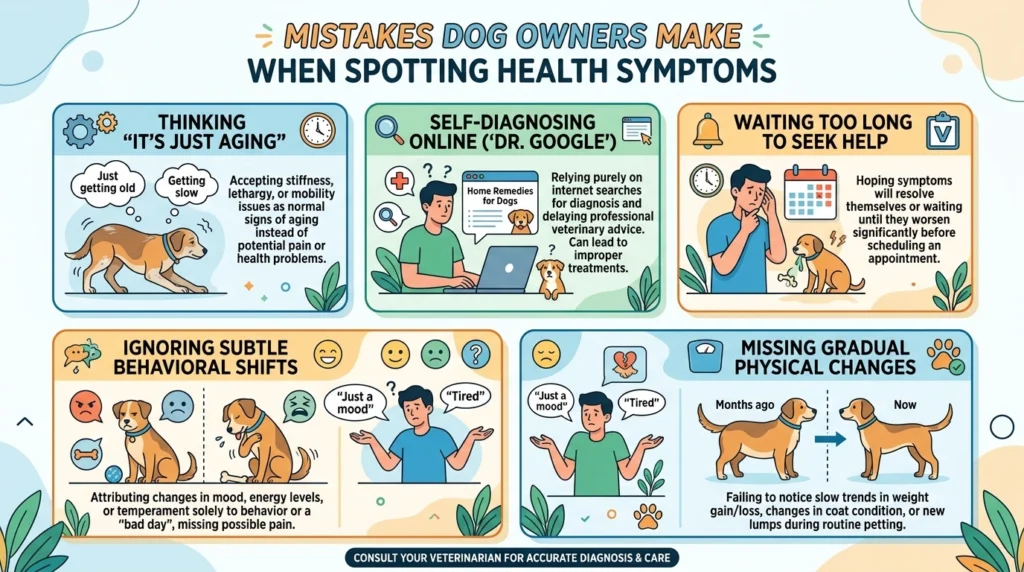
Mistake 1: Waiting Too Long to Call the Vet
This is the most common and most dangerous mistake. Many owners wait to see if symptoms improve on their own. However, with conditions like bloat, poisoning, or urinary blockage, waiting even a few hours can be fatal. Therefore, when in doubt, always call your vet immediately rather than waiting.
Mistake 2: Googling Symptoms and Self-Diagnosing
Online symptom checkers are helpful for general awareness. However, they’re not a replacement for professional diagnosis. Many serious conditions share symptoms with minor ones. As a result, self-diagnosing often leads to delayed treatment or incorrect home remedies that make things worse.
Mistake 3: Giving Human Medications
Never give your dog human pain relief like ibuprofen, aspirin, or paracetamol. These medications are toxic to dogs and can cause organ failure quickly. Therefore, always consult your vet before giving your dog any medication, even something that seems harmless.
Mistake 4: Ignoring Gradual Changes
Sudden symptoms are easy to notice. However, gradual changes like slow weight loss over months or slightly reduced appetite are easy to miss. Because dogs age faster than humans, even slow changes can signal significant health issues. Therefore, regular vet check-ups twice a year help catch gradual problems before they become serious.
Mistake 5: Skipping Regular Vet Check-Ups
Many dog owners only visit the vet when something is visibly wrong. However, annual or bi-annual wellness exams catch early-stage diseases through blood work, physical examination, and weight monitoring. In addition, preventive care like vaccinations and parasite control prevents many common health issues entirely. Regular vet visits are an investment in your dog’s long-term health, not an optional extra.
Pro Tip: Take a short video on your phone when you notice a worrying symptom especially seizures, limping, or abnormal breathing. Symptoms often disappear by the time you reach the vet clinic. A video gives your vet crucial information that a verbal description alone can’t fully capture.
Frequently Asked Questions About Dog Health Issues Symptoms
1. What are the most common dog health issues symptoms to watch for?
The most common dog health issues symptoms include vomiting, diarrhea, lethargy, loss of appetite, excessive thirst, unexplained weight loss, coughing, difficulty breathing, and changes in urination patterns. However, the key is knowing your dog’s normal baseline. Because every dog is slightly different, a change from their normal is more important than comparing them to a general standard. Therefore, track your dog’s daily habits so you notice changes quickly.
2. When should I take my dog to the vet for symptoms?
Take your dog to the vet immediately for breathing difficulties, collapse, seizures, pale or yellow gums, suspected poisoning, bloody diarrhea combined with vomiting, or a bloated hard belly. For less urgent symptoms like mild diarrhea, a single episode of vomiting, or minor lethargy, monitor your dog closely for 24 hours. However, if symptoms persist beyond 24–48 hours or worsen at any point, call your vet right away. When in doubt, a phone call to your vet clinic costs nothing and provides peace of mind.
3. What does it mean when my dog is lethargic and not eating?
Lethargy combined with loss of appetite is one of the most common signs that something is wrong. Because dogs are normally enthusiastic about food, refusing two or more consecutive meals is a red flag. Possible causes include infection, pain, digestive issues, kidney or liver disease, or even depression following a change in environment. Therefore, if your dog skips more than one meal and seems unusually tired, contact your vet for guidance. Don’t wait to see if it resolves on its own.
4. How do I know if my dog is in pain?
Dogs often hide pain instinctively. However, common signs of pain include: whimpering or yelping when touched, reluctance to move or climb stairs, flattened ears, hunched posture, excessive licking of one area, loss of appetite, and sudden aggression when you approach them. Also, some dogs become very still and quiet when in severe pain which owners often mistake for the dog “just being calm.” Therefore, any sudden personality or behavior change warrants a vet visit to rule out pain as the cause.
5. What are early symptoms of kidney disease in dogs?
Early kidney disease symptoms in dogs include excessive thirst, increased urination, reduced appetite, weight loss, lethargy, vomiting, and bad breath with an ammonia-like smell. Because kidney disease progresses silently in early stages, routine blood work during annual vet check-ups is the most reliable way to catch it early. Therefore, don’t skip wellness exams even when your dog seems healthy. Early detection of kidney disease significantly improves long-term outcomes with proper dietary and medical management.
6. Can stress cause health symptoms in dogs?
Yes, stress and anxiety cause real physical symptoms in dogs. These include diarrhea, vomiting, excessive shedding, panting, pacing, loss of appetite, and repetitive behaviors like tail chasing or excessive licking. Common stress triggers include moving home, a new baby, loud noises like fireworks, or the loss of another pet. In addition, separation anxiety causes significant physical symptoms in dogs left alone for long periods. Therefore, if your dog’s symptoms appear during or after stressful events, discuss anxiety management strategies with your vet.
7. How often should I take my dog to the vet for health check-ups?
Most vets recommend at least one full wellness exam per year for adult dogs and two per year for senior dogs (typically aged 7 and over). However, puppies need more frequent visits approximately every 3–4 weeks during their first few months for vaccinations and growth monitoring. Because dogs age faster than humans, annual check-ups catch age-related health changes early. Also, routine blood work every 1–2 years gives your vet a baseline to detect kidney disease, diabetes, thyroid issues, and other internal conditions before outward symptoms appear.
Your Dog Depends on You Stay Alert and Act Early
Spotting dog health issues symptoms early is one of the most powerful things you can do as a dog owner. You don’t need a medical degree. However, you do need to know your dog’s normal and pay attention when something changes.
Use the weekly home health check routine in this guide. Keep a simple health log. Know which symptoms are emergencies. And never hesitate to call your vet when something feels wrong. That instinct exists for a reason.