
Introduction
You’ve probably done this before, typed “best dry dog food” into Google, clicked through a dozen articles, and walked away more confused than when you started. Every site has a different “#1 pick.” Every brand claims to be the healthiest. And somewhere in the back of your mind, you’re wondering who’s actually being honest here?
That’s exactly the instinct behind searching for consumer reports best dry dog food guidance. You want evaluation that’s based on real data, honest criteria, and zero financial bias toward any particular brand. You want the kind of thorough, skeptical analysis that a genuine consumer advocate would apply.
Here’s what I’ve learned after years of following pet nutrition research and digging into how dog food is actually evaluated: the gap between how food is marketed and what’s actually in the bag is real and knowing how to close that gap makes an enormous difference for your dog’s long-term health.
This guide applies a true consumer reporting lens to dry dog food evaluation, transparent criteria, honest brand assessments, and practical guidance you can actually use at the pet store or online. No sponsored content. No affiliate pressure. Just the information you need to make the best decision for your dog.
How Consumer Reports-Style Dry Dog Food Evaluation Actually Works
Most people assume consumer reporting is just about testing products in a lab. For dog food, it’s considerably more nuanced and understanding the evaluation framework helps you apply it yourself to any brand, anytime.
The Multi-Factor Evaluation Model
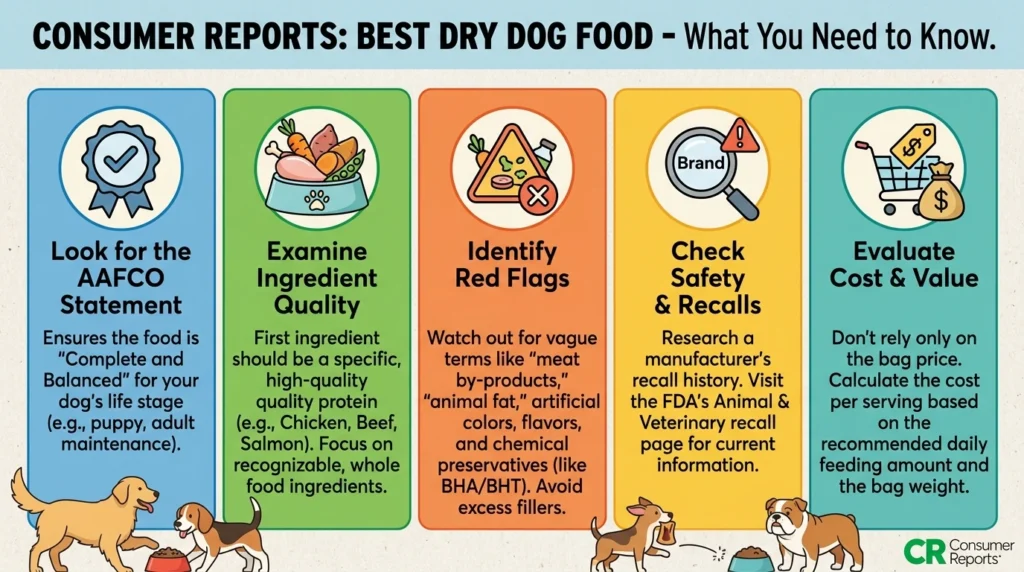
Genuine consumer-focused dog food assessment looks at several distinct dimensions simultaneously, not just ingredient lists or price. Here’s what a rigorous evaluation actually examines:
1. Nutritional Adequacy Verification Does the food meet established nutritional standards and how was that verified? The AAFCO (Association of American Feed Control Officials) sets minimum nutritional standards for dog food. But there’s a meaningful distinction between food that was formulated to meet those standards (a desk exercise) versus food that was tested on actual dogs in feeding trials and confirmed to support their health over time. Consumer-focused evaluation always distinguishes between these two.
2. Ingredient Transparency and Sourcing Can you actually trace what’s in this food? Named protein sources (chicken, beef, salmon) are more accountable than vague terms (poultry, meat, animal protein). Brands that specify ingredient origins and manufacturing locations demonstrate a level of transparency that matters from a consumer protection standpoint.
3. Safety and Recall History The FDA’s pet food recall database is publicly accessible and a genuine consumer evaluation always includes it. Recall frequency, severity of contamination events, and how transparently a brand handled past issues all inform trustworthiness. One recall doesn’t doom a brand. A pattern of serious contamination events is a different story entirely.
4. Manufacturing Quality Controls Where is the food made? Who manufactures it? Do they own their facilities or contract out to third parties? Brands that manufacture in their own US facilities with auditable quality controls provide a level of consumer protection that outsourced manufacturing can’t match.
5. Real-World Consumer Outcomes Long-term feeding observations from dog owners matter not individual Amazon reviews, but patterns across thousands of reports. Coat condition improvements, digestive stability, sustained energy, and healthy weight maintenance are observable outcomes that consumer communities track over time.
6. Value Analysis True consumer reporting never evaluates price without context. The relevant metric isn’t bag price its cost per day of feeding relative to nutritional quality delivered. This calculation frequently reveals that premium brands are much closer in daily cost to budget options than the bag price suggests, while delivering meaningfully superior nutrition.
How to Apply Consumer Reports Thinking to Any Dry Dog Food: Step-by-Step
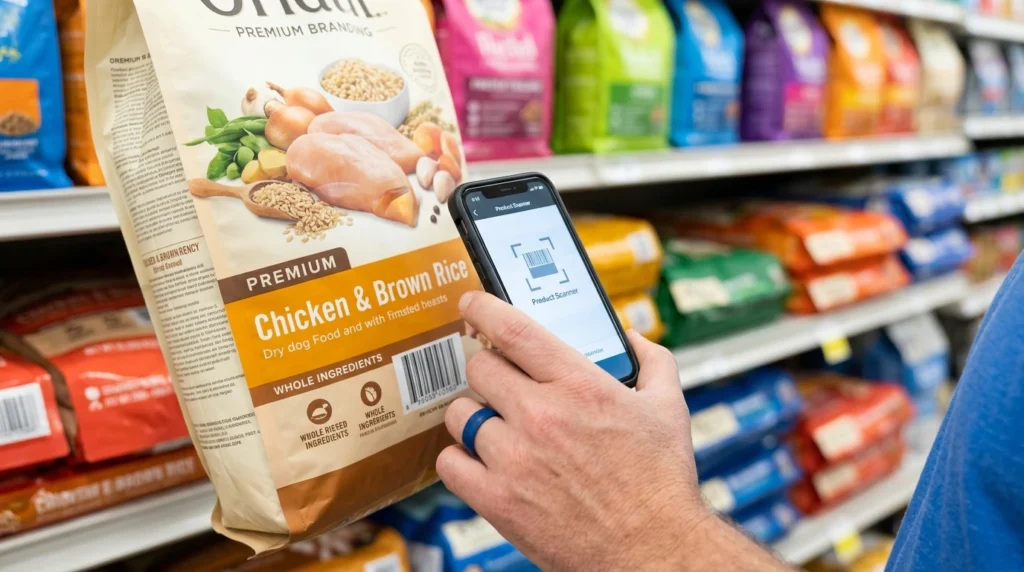
You don’t need to wait for a professional consumer organization to evaluate every food you’re considering. Here’s exactly how to apply rigorous consumer thinking yourself:
- Go straight to the back of the bag and ignore the front completely. Front-of-bag language is marketing. “Natural,” “premium,” “holistic,” “wholesome” these terms are unregulated in pet food and carry no nutritional guarantee. The back panel contains the actual information: ingredient list, guaranteed analysis, and AAFCO statement. That’s your starting point.
- Read the AAFCO statement and note its exact wording. Find the nutritional adequacy statement usually near the bottom of the back panel. Write down whether it says “formulated to meet” AAFCO standards or “complete and balanced based on feeding trials.” This single distinction tells you whether real dogs confirmed this food’s health outcomes or whether it was only verified on paper.
- Apply the first-five-ingredient test. The ingredient list is ordered by weight before processing. The first five ingredients represent the bulk of what’s in the formula. You want to see at minimum one ideally two specifically named animal proteins in those first five positions. Corn, wheat, or soy dominating the top five is a signal of a filler-heavy formula.
- Check for ingredient splitting. This is a specific consumer protection concern in pet food. A brand might list “corn,” “corn gluten meal,” and “corn syrup” separately making each individual corn-derived ingredient appear lower on the list than the combined corn content would be. When you see multiple forms of the same base ingredient, add them mentally the combined total often tells a different story than any single listing.
- Run the two-minute FDA recall check. Visit fda.gov/animal-veterinary and search the brand name. Note both the number of recalls and their severity: salmonella contamination, aflatoxin, pentobarbital, or excessive vitamin D are much more serious than packaging defects. Look for patterns, not just individual incidents.
- Research manufacturing location. Does the brand manufacture in their own facilities? Do they disclose their manufacturing location? Brands that manufacture in company-owned US facilities with auditable quality controls offer stronger consumer protection than those using contract manufacturers.
- Calculate true daily feeding cost. Take the bag price and divide by the number of days it will last based on the feeding guidelines for your dog’s weight. This is the only meaningful price comparison and it frequently surprises people. A $65 premium bag that lasts 45 days for a 50-pound dog costs $1.44/day. A $32 budget bag lasting 20 days for the same dog costs $1.60/day. Quality and economy often align better than bag prices suggest.
- Cross-reference with independent resources. The Dog Food Advisor (dogfoodadvisor.com) evaluates foods based on ingredient quality without accepting advertising from reviewed brands. It’s not perfect, but it’s one of the most genuinely independent resources available. Always cross-reference multiple sources rather than relying on any single review.
Pro Tip: Build a simple comparison spreadsheet when evaluating dry dog food brands. Columns for: first ingredient, protein %, fat %, fiber %, AAFCO validation type, recall history (clean/minor/serious), daily cost, and an overall score. It takes 15 minutes and instantly clarifies which options deliver the best value across all criteria simultaneously.
[Dental Dog Food: The Complete Guide to Healthier Teeth and Gums for Dogs 1]
Consumer Reports-Informed Best Dry Dog Food Rankings for 2026
Applying the multi-factor consumer evaluation framework above to the current market, here’s how leading dry dog food brands actually perform not based on marketing, but on the criteria that genuinely matter:
| Brand | AAFCO Validation | First Ingredient | Recall Record | Research Depth | Daily Cost (50lb) | Consumer Score |
| Purina Pro Plan | Feeding trials | Chicken/Salmon | Excellent | ⭐⭐⭐⭐⭐ | ~$2.50–$3.00 | A+ |
| Hill’s Science Diet | Feeding trials | Chicken meal | Excellent | ⭐⭐⭐⭐⭐ | ~$2.75–$3.25 | A+ |
| Royal Canin | Feeding trials | Chicken by-product | Excellent | ⭐⭐⭐⭐ | ~$3.00–$3.50 | A |
| Purina ONE | Formulation | Chicken | Very Good | ⭐⭐⭐ | ~$1.75–$2.25 | A- |
| Orijen | Limited trials | Free-run chicken | Excellent | ⭐⭐ | ~$5.00–$6.50 | A- |
| Blue Buffalo | Some trials | Deboned chicken | Good | ⭐⭐ | ~$2.50–$3.00 | B+ |
| Iams Adult | Formulation | Chicken | Very Good | ⭐⭐⭐ | ~$1.50–$2.00 | B+ |
| Wellness Complete | Formulation | Deboned chicken | Good | ⭐⭐ | ~$3.00–$3.50 | B+ |
| Purina Dog Chow | Formulation | Whole grain corn | Good | ⭐⭐⭐ | ~$0.90–$1.25 | B |
| Ol’ Roy (Walmart) | Formulation | Meat by-products | Fair | ⭐ | ~$0.50–$0.75 | C |
What the Scores Actually Mean
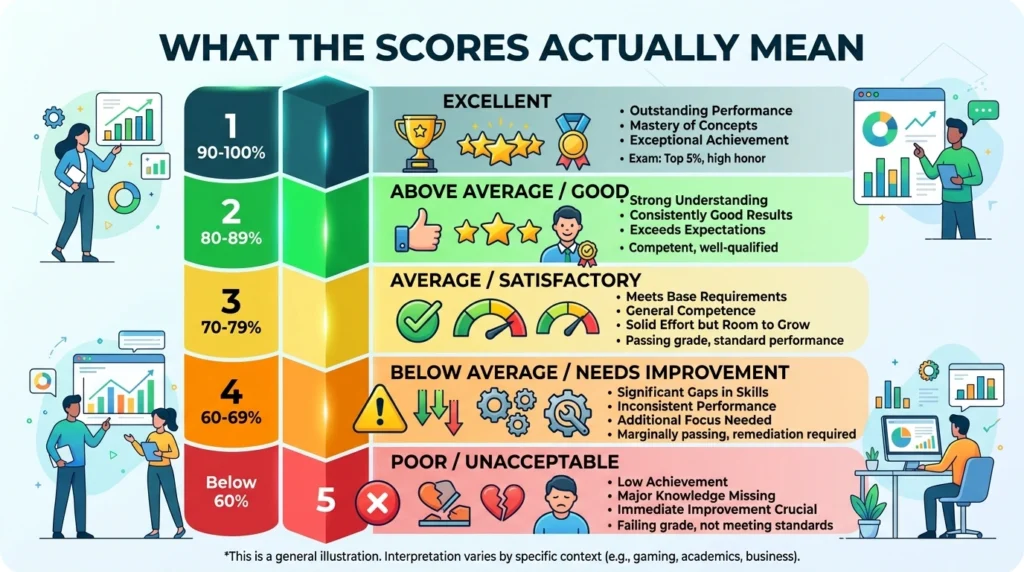
A+ Ratings Purina Pro Plan and Hill’s Science Diet
Both brands earn the highest consumer score for identical reasons: feeding trial-validated AAFCO compliance (the stronger standard), extensive peer-reviewed nutritional research investment, clean manufacturing safety records, named protein sources, excellent recall histories, and consistent veterinary professional endorsement rooted in science rather than marketing relationships.
The critical consumer insight: both of these brands have invested more in actual dog health research than virtually any other commercial brand and that investment shows up in clinically measurable outcomes for dogs who eat these foods long-term.
A Rating Royal Canin
Royal Canin earns the third-highest consumer score for its precision nutrition approach, feeding trial validation, excellent safety record, and strong veterinary institutional relationships. The slight deduction from A+ reflects the use of “chicken by-product meal” rather than named whole chicken in most formulas, a transparency concern from a consumer standpoint, even though by-product meal from a named species is a legitimate protein source nutritionally.
A- Ratings Purina ONE and Orijen
Purina ONE earns A- for delivering strong mid-range consumer value real chicken first, Purina’s manufacturing quality, no corn or wheat, and accessible pricing with the limitation of formulation-only (rather than feeding trial) AAFCO validation on most formulas.
Orijen earns A- for exceptional ingredient quality and sourcing transparency, with the limitation of more limited feeding trial data and significantly higher daily cost that reduces accessibility for most consumers.
The Consumer Value Sweet Spot
From a pure consumer value standpoint the intersection of nutritional quality, safety record, research backing, and cost Purina Pro Plan represents the strongest overall value in the market. The daily feeding cost for most dogs is genuinely reasonable for the level of nutritional science and quality control delivered. It’s the brand where the consumer equation most consistently resolves in the dog owner’s favor.
Consumer Warnings: What Honest Dog Food Reviews Always Flag
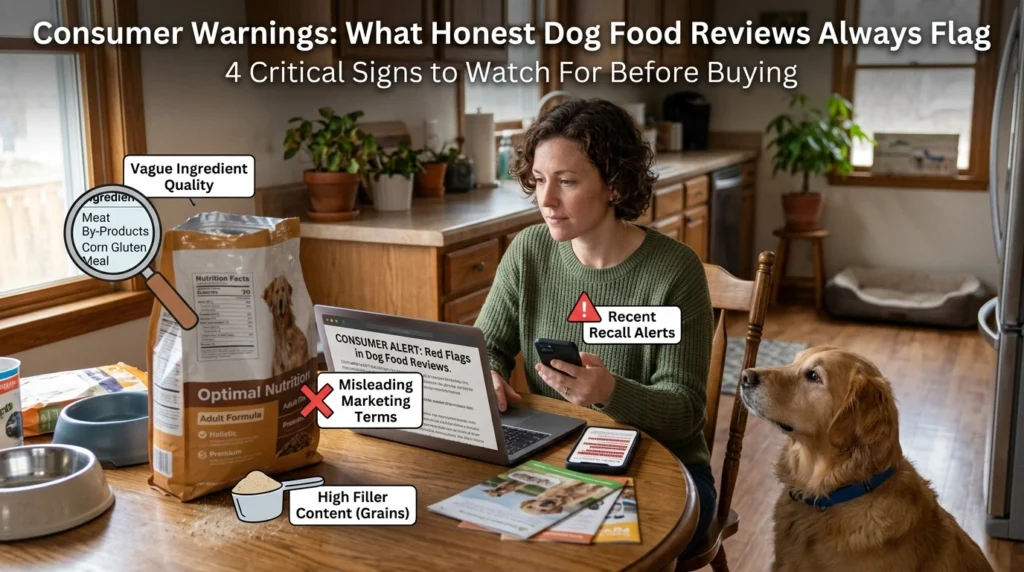
A genuine consumer reporting perspective doesn’t just celebrate winners it explicitly identifies the practices and patterns that hurt consumers and their pets:
The Pervasive Affiliate Review Problem
Here’s something worth understanding before you rely on any online dog food review: the vast majority of “top dog food” articles and rankings are written by websites that earn commissions, sometimes substantial ones, when readers click through and purchase recommended products. The “#1 pick” frequently isn’t the objectively best food. It’s the one with the most generous affiliate program.
The tell-tale signs of affiliate-driven reviews: unusually high ratings across most tested products, minimal negative points about any brand, prominent “Buy Now” buttons next to every recommendation, and non-disclosure of financial relationships with reviewed brands. A genuine consumer-focused review will tell you what doesn’t work and why not just celebrate everything.
The Star Rating Illusion
Online retailer ratings for dry dog food look impressive 4.7 stars from 12,000 reviews sounds authoritative. But these ratings measure whether dogs liked the taste, whether shipping was fast, and whether the bag arrived intact. They don’t measure nutritional adequacy, ingredient quality, manufacturing safety, or long-term health outcomes. A dog enthusiastically eating a nutritionally inferior food is not a health endorsement. Consumer-quality evaluation goes far beyond palatability ratings.
Unregulated Label Language to Ignore
From a strict consumer protection standpoint, these terms on dog food packaging should be treated as marketing noise rather than nutritional claims:
- “Natural” loosely defined in pet food; primarily means no synthetic additives, nothing more
- “Holistic” completely unregulated; has no legal definition in pet food labeling
- “Human-grade” regulated but widely misunderstood; doesn’t automatically confer superior nutrition
- “Veterinarian formulated” can mean one veterinarian was consulted once; not the same as broad clinical endorsement
- “Superfood ingredients” no regulatory definition; purely marketing language
The “All Recalls Prove Quality Control Works” Deflection
Some industry apologists argue that recalls are actually a sign the safety system is working brands catching problems and acting responsibly. This is partially true for isolated, quickly-resolved incidents. But it’s a deflection when applied to brands with patterns of serious contamination (salmonella, aflatoxin, listeria, or more severe events). Consumer-quality thinking distinguishes between a brand that had one packaging issue in 20 years versus one with repeated contamination events. The FDA database makes this distinction clear: always check it yourself.
Pro Tip: Sign up for FDA pet food recall email alerts at fda.gov. The process takes about two minutes, you’ll receive direct notification of any new pet food recalls, and it’s one of the most practical consumer protection habits a dog owner can build. Don’t rely on news coverage or pet store notifications to get the alerts directly from the source.
Frequently Asked Questions: Consumer Reports Best Dry Dog Food
1. What does “consumer reports” actually mean when applied to dog food?
“Consumer reports” in the dog food context refers to evaluation based on objective, multi-factor analysis rather than brand marketing or financial relationships with the brands being reviewed. True consumer-quality dog food reporting examines nutritional adequacy standards (AAFCO compliance type), ingredient transparency, recall history, manufacturing quality controls, research investment, and real-world feeding outcomes, not just how appealing a food looks on the shelf or how enthusiastically a dog eats it. The FDA and AAFCO are your most authoritative official sources. Independent resources like the Dog Food Advisor offer additional perspective without advertising relationships with reviewed brands.
2. Which dry dog food brands consistently score highest in independent consumer evaluations?
Across multiple independent evaluation frameworks nutritional research depth, AAFCO feeding trial validation, manufacturing safety record, ingredient quality, and veterinary professional endorsement Purina Pro Plan and Hill’s Science Diet consistently earn the highest scores. Both carry trial-validated AAFCO compliance, both invest heavily in peer-reviewed nutritional science, and both have demonstrated long-term safety records at significant production volumes. Royal Canin ranks third for precision nutrition and clinical research investment. Purina ONE and Iams represent the strongest consumer value at mid-range price points.
3. How do I find reliable dry dog food reviews that aren’t influenced by affiliate commissions?
Look for these indicators of genuinely independent reviews: explicit disclosure of no affiliate relationships with reviewed brands, clear negative assessments of some products (affiliate sites tend to rate everything highly to maximize commissions), citation of specific data sources (FDA recall database, AAFCO statements, peer-reviewed research), and authorship by qualified nutrition professionals rather than anonymous content creators. The Dog Food Advisor explicitly states they don’t accept advertising from companies whose products they review. Your veterinarian who has a professional obligation to advise in your pet’s best interest is also an excellent source of uninfluenced recommendation.
4. Is there a specific formula within consumer-evaluated top brands that’s best for sensitive dogs?
Purina Pro Plan Sensitive Skin & Stomach (Salmon & Rice formula) is the most consistently consumer-evaluated top performer for dogs with digestive or skin sensitivity. It carries trial-validated AAFCO compliance, uses salmon as a novel protein that reduces sensitivity likelihood, features rice as a gentle and digestible carbohydrate, and includes prebiotic fiber for digestive health all in a formula backed by Purina’s research infrastructure. Hill’s Science Diet Sensitive Stomach & Skin is equally strong from a clinical research standpoint. For dogs with persistent sensitivity issues, a veterinary consultation before food selection is always advisable; symptoms can indicate underlying conditions beyond simple food sensitivity.
5. How should I use the FDA recall database when evaluating dry dog food?
Visit fda.gov/animal-veterinary and navigate to the recalls and withdrawals section. Search by brand name for complete recall history. When reviewing results, note: (1) the number of separate recall events frequency matters, (2) the reason for each recall contamination events (salmonella, aflatoxin, pentobarbital, excess vitamin D) are much more serious than packaging or labeling issues, (3) how quickly the brand responded and how transparently they communicated responsible brands issue recalls proactively rather than waiting for regulatory pressure, and (4) whether the same type of contamination has recurred repeated similar events signal systemic quality control failures rather than isolated incidents.
Often the calculation is more nuanced than comparing bag prices. The meaningful metric is cost per day of feeding versus nutritional quality delivered. When you calculate daily feeding cost for a premium brand versus a budget option for the same dog, the gap frequently narrows significantly. A $65 bag of Purina Pro Plan may deliver 45 days of feeding for a 50-pound dog ($1.44/day). A $32 bag of budget food delivering only 20 days of feeding for the same dog costs $1.60/day and delivers inferior nutritional quality. Additionally, higher-quality, more digestible food often requires smaller portion sizes, further narrowing the cost gap. The best consumer value is usually found in the mid-premium tier: genuinely high-quality nutrition at daily costs that are genuinely accessible for most families.
7. What’s the single most important thing a consumer should check before buying dry dog food?
If I had to pick one thing it’s the AAFCO nutritional adequacy statement, specifically whether it says “complete and balanced based on feeding trials” or just “formulated to meet” nutritional standards. This single line tells you whether real dogs ate this food and confirmed its health outcomes, or whether it was only verified on paper. Every other quality indicator matters, but this one tells you whether the brand actually put their formula to the test on living dogs which is fundamentally what you want to know when you’re deciding what to feed your dog every day.
Conclusion:
The Consumer-Informed Decision You Can Be Confident About
Applying genuine consumer reports thinking to best dry dog food selection means moving past marketing language, past star ratings, past front-of-bag photography and into the actual data that determines whether a food will genuinely support your dog’s health over years of daily feeding.
That data points clearly: Purina Pro Plan and Hill’s Science Diet lead every meaningful consumer evaluation metric. Royal Canin earns strong marks for precision nutrition. Purina ONE delivers outstanding mid-range consumer value. And Orijen leads for raw ingredient quality at a premium price point.
The practical steps are simple: check the FDA recall database, read the AAFCO statement carefully, verify that named protein leads the ingredient list, calculate your true daily feeding cost, and confirm your choice with your vet’s personalized input for your specific dog.