
Introduction
Have you ever looked at your dog’s dry kibble and thought is this really the best I can do for them? Many dog owners feel exactly the same way. That’s why best fresh dog food searches have exploded in recent years. More and more people want real, wholesome food for their dogs, not just processed pellets from a bag.
Fresh dog food is changing the way we think about pet nutrition. Dogs fed on fresh, minimally processed meals often show shinier coats, better digestion, and more energy. However, knowing where to start can feel overwhelming.
In this guide, you’ll find everything you need. From top fresh food brands to simple feeding tips, I’ve covered it all. So let’s figure out what fresh feeding actually means and why your dog might absolutely love it.
What Is the Best Fresh Dog Food And Why Does It Matter?
Fresh dog food is made from whole, real ingredients. Think cooked chicken, sweet potato, carrots, brown rice, and spinach not rendered mystery meat and artificial preservatives.
How Fresh Food Differs From Kibble
Traditional dry dog food goes through a process called extrusion. During this process, ingredients are blasted with extreme heat and pressure. As a result, many natural nutrients are destroyed. Synthetic vitamins are then sprayed back on afterward.
Fresh food, however, is gently cooked at lower temperatures. Therefore, it retains far more natural nutrients. Your dog’s body absorbs these nutrients more efficiently which means better health outcomes over time.
The Key Benefits of Fresh Dog Food
Switching to fresh food can make a noticeable difference. Here are some benefits dog owners report most often:
- Shinier, healthier coat omega fatty acids from whole food sources work better
- Improved digestion real ingredients are easier to break down
- More energy and vitality especially in younger and middle-aged dogs
- Better weight management no hidden fillers padding out calories
- Picky eaters eat better fresh food smells and tastes like actual food
In my experience, dogs who switch to fresh meals often become noticeably more excited at mealtimes. That enthusiasm is a good sign.
How to Choose the Best Fresh Dog Food: Step-by-Step Guide
Step 1: Know Your Dog’s Life Stage
First, always match food to your dog’s age. Puppies need more DHA and calories for healthy growth. Senior dogs, on the other hand, need fewer calories and more joint support. Fresh food brands typically offer puppy, adult, and senior options so use the right one.
Step 2: Check the Ingredient List Carefully
The first ingredient should always be a named protein. Look for chicken, beef, turkey, salmon, or lamb. Also, watch out for vague terms like “meat” or “animal protein” ; these are red flags. Real fresh food uses real, specific ingredients you can recognize.
Step 3: Look for AAFCO Compliance
Even fresh food needs to meet nutritional standards. Look for the AAFCO nutritional adequacy statement on the label. It should say “complete and balanced.” This confirms the food meets minimum requirements for your dog’s life stage.
Step 4: Consider Your Budget Honestly
Fresh dog food is more expensive than kibble; there’s no getting around that. However, you don’t have to go all-in immediately. Many owners start by using fresh food as a topper on kibble. This adds nutrition without breaking the bank.
Step 5: Transition Slowly Over 7 to 10 Days
Never switch your dog’s food abruptly. Instead, start with 25% fresh food mixed with 75% current food. Then gradually increase the fresh food ratio over 7 to 10 days. This prevents digestive upset and helps your dog adjust comfortably.
Step 6: Monitor Your Dog’s Response
After switching, watch for positive changes. Firmer stools, better coat shine, and improved energy are all good signs. However, if your dog shows persistent digestive issues after 2 weeks, consult your vet before continuing.
Step 7: Store Fresh Food Properly
Fresh food spoils faster than kibble. Therefore, always refrigerate opened portions immediately. Most fresh dog food stays good in the fridge for 3 to 4 days. Freeze extra portions in individual servings to extend freshness safely.
Pro Tip: Warm refrigerated fresh food slightly before serving. A quick 10-second microwave blast enhances the aroma dramatically. As a result, even picky dogs tend to eat more enthusiastically.
[Consumer Reports Best Dry Dog Food: What You Need to Know]
Best Fresh Dog Food Brands in 2026: Honest Comparison
Top Brands at a Glance
Here’s a helpful comparison of the most popular fresh dog food brands available right now:
| Brand | Food Type | First Ingredient | Subscription | Price Range |
| The Farmer’s Dog | Gently cooked | Real beef / turkey / pork | Yes | $$$ |
| Nom Nom (by Purina) | Gently cooked | Chicken / beef / fish | Yes | $$$ |
| Ollie | Gently cooked | Chicken / beef / lamb | Yes | $$$ |
| Just Food For Dogs | Gently cooked | Chicken / beef / fish | Yes + retail | $$$ |
| Open Farm | Gently cooked | Humanely raised chicken | Yes | $$ – $$$ |
| Stella & Chewy’s | Freeze-dried raw | Grass-fed beef / chicken | No | $$ |
My Honest Top Picks
Best Overall: The Farmer’s Dog
This brand consistently delivers high-quality, human-grade fresh meals. Real named proteins lead every recipe. Meals arrive pre-portioned based on your dog’s weight and profile. Also, the subscription model makes it incredibly convenient for busy owners.
Best for Sensitive Stomachs: Nom Nom
Nom Nom uses simple, clean ingredients that are gentle on sensitive digestive systems. In addition, they offer a free gut health test with subscription, a genuinely useful feature. Vets frequently recommend this brand for dogs with ongoing digestive concerns.
Best Budget-Friendly Option: Open Farm
Open Farm delivers real, humanely raised proteins at a slightly lower price point than the top subscription brands. Their gently cooked line is excellent. Furthermore, they offer strong ingredient transparency; you can trace every ingredient back to its source.
Best for Raw Feeding Beginners: Stella & Chewy’s
Freeze-dried raw food is a fantastic middle ground. It’s shelf-stable until opened, easy to portion, and made from quality proteins. Simply rehydrate with warm water and serve. Therefore, it works beautifully for owners curious about raw feeding without the complexity of fully raw diets.
Common Mistakes to Avoid With Fresh Dog Food
Mistake 1: Assuming “Fresh” Always Means “Complete”
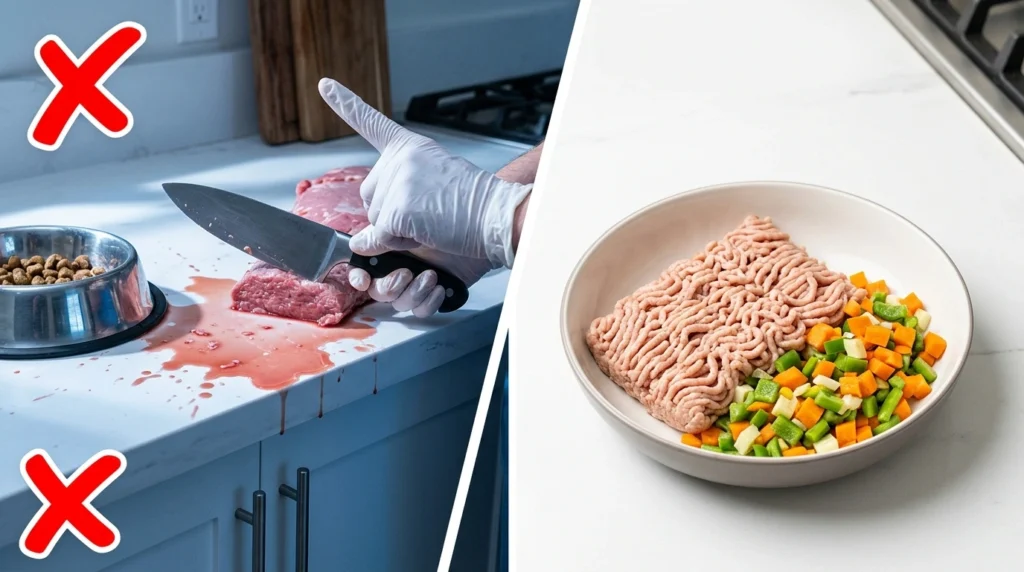
Not all fresh food is nutritionally balanced. Some recipes floating around online are seriously deficient in calcium, zinc, or essential vitamins. Therefore, always verify your chosen food carries AAFCO compliance. For homemade diets, work with a veterinary nutritionist.
Mistake 2: Overfeeding Because It Looks Healthy
Fresh food is calorie-dense. However, many owners serve the same volume they used for kibble which leads to rapid weight gain. Always follow the brand’s portion guidelines based on your dog’s weight. Then adjust based on body condition over time.
Mistake 3: Leaving Fresh Food Out Too Long
Unlike kibble, fresh food spoils quickly at room temperature. Bacteria multiply fast in moist food especially in warm weather. Therefore, remove uneaten fresh food after 2 hours maximum. Always refrigerate leftovers immediately after each meal.
Mistake 4: Skipping the Transition Period
Switching cold turkey from kibble to fresh food causes digestive chaos. Loose stools, gas, and vomiting are all common results of abrupt food changes. Instead, always transition gradually over 7 to 10 days. Your dog’s gut microbiome needs time to adjust to the new diet.
Mistake 5: Not Consulting Your Vet First
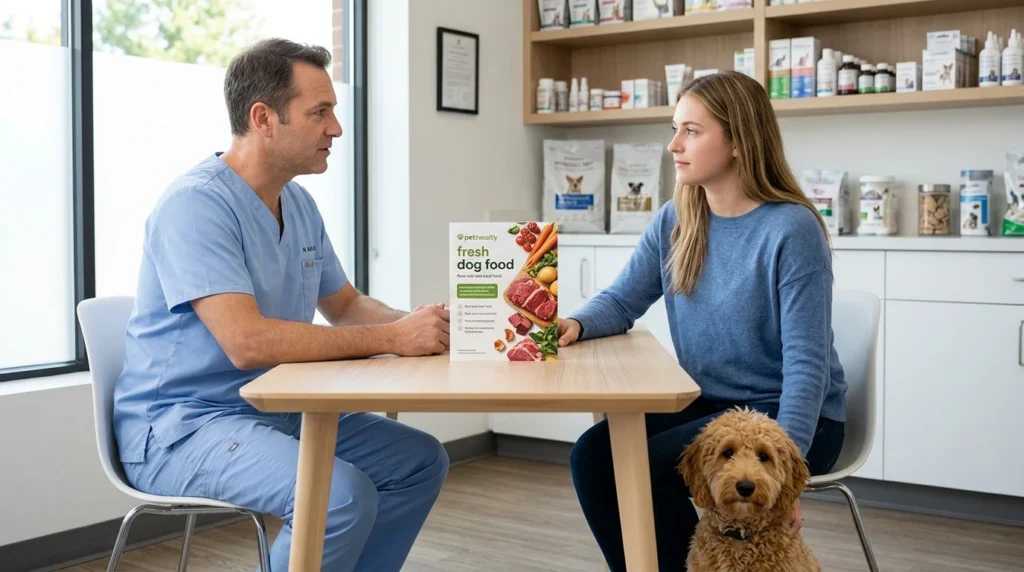
This one is especially important if your dog has health conditions. Fresh food can be wonderful for kidney disease, urinary issues, or skin problems but the right approach depends entirely on your dog’s specific diagnosis. Always consult your vet before making significant dietary changes.
Pro Tip: Keep a simple two-week feeding journal when switching to fresh food. Note your dog’s energy, stool quality, coat condition, and appetite daily. This helps you spot improvements and catch any concerns much faster than relying on memory alone.
Frequently Asked Questions About the Best Fresh Dog Food
1. Is fresh dog food better than dry kibble?
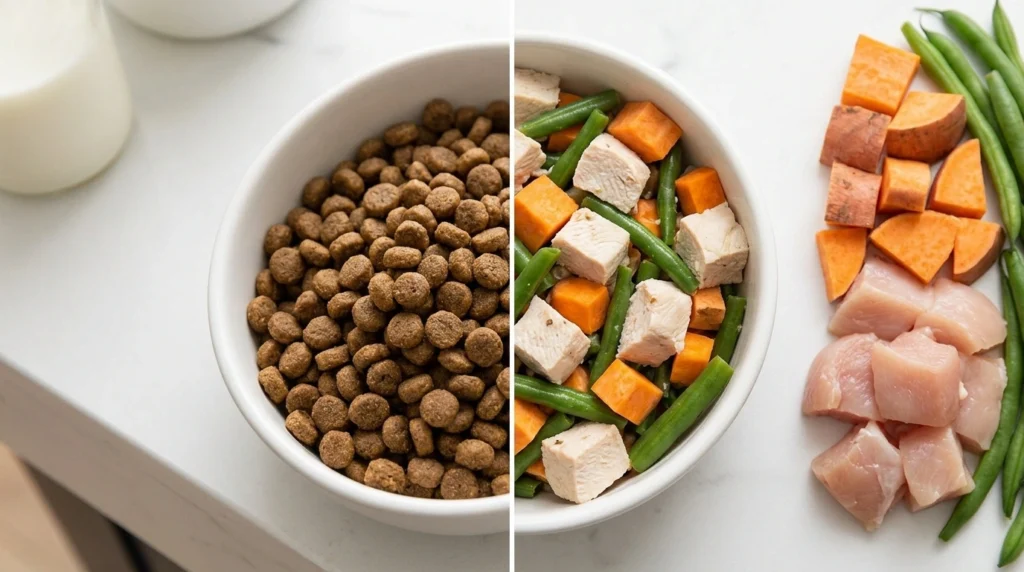
For many dogs, yes but it genuinely depends on the individual dog and the quality of both foods being compared. Fresh food is generally more digestible, made from higher-quality whole ingredients, and free from artificial additives. However, a high-quality kibble like Purina Pro Plan still provides excellent nutrition for most healthy dogs. Fresh food tends to show the most noticeable benefits in dogs with digestive issues, dull coats, low energy, or very picky appetites. Always consult your vet to determine what suits your specific dog best.
2. How much does fresh dog food cost per month?
Commercial fresh dog food subscriptions typically range from $2 to $10+ per day, depending on your dog’s size and chosen brand. For a small dog around 15 pounds, expect roughly $50 to $80 per month. For a large breed around 70 pounds, costs can reach $150 to $250 monthly. Homemade fresh food can be less expensive if you cook in bulk; however, you must add a vet-approved nutritional supplement to ensure complete balance.
3. Can I mix fresh food with dry kibble?
Absolutely and many vets actually support this hybrid approach. Mixing fresh food into kibble, even just as a topper, improves palatability, adds real nutrients, and boosts moisture intake. Just make sure to adjust total portions so you’re not overfeeding overall. Some dogs do brilliantly on a 50/50 split. Others thrive with 80% kibble and 20% fresh topper. Start small and adjust based on your dog’s response over several weeks.
4. What fresh foods are safe for dogs to eat?
Many whole foods are safe and nutritious for dogs. These include cooked lean meats like chicken, turkey, beef, and salmon, along with cooked eggs, plain brown rice, oats, sweet potato, carrots, blueberries, peas, green beans, and spinach. However, always avoid onions, garlic, grapes, raisins, chocolate, macadamia nuts, xylitol, and avocado; these are toxic to dogs. When in doubt about a specific ingredient, check with your vet before adding it to your dog’s fresh meal.
5. How long does fresh dog food last in the fridge?
Gently cooked fresh dog food typically lasts 3 to 4 days in the refrigerator once opened or freshly prepared. Freeze any portions you won’t use within that window. Most fresh dog food freezes well for up to 3 months. Commercial brands like The Farmer’s Dog and Ollie send food frozen with specific thawing and storage instructions. Always follow their guidelines carefully for maximum food safety and nutritional quality.
6. Is fresh dog food good for dogs with allergies?
Fresh food diets can be excellent for dogs with food allergies because you have complete visibility into every ingredient. Many commercial fresh food brands also offer limited-ingredient formulas with a single novel protein source like turkey or fish specifically designed for allergic dogs. However, identifying and managing food allergies properly requires a veterinary-supervised elimination diet. Please work with your vet to pinpoint specific triggers before switching foods based on allergy assumptions alone.
7. Do vets recommend fresh dog food?
Veterinary opinions on fresh food vary depending on the specific product. Many vets support high-quality commercial fresh food subscriptions that carry AAFCO nutritional adequacy statements. Some are more cautious about homemade diets due to the risk of nutritional imbalance over time. The growing trend among progressive veterinary nutritionists is increasingly supportive of fresh feeding but always with the caveat that quality, completeness, and balance matter enormously. Ask your vet for their specific recommendation based on your dog’s health profile.
Fresh Food, Happy Dog Start Simple and Build From There
Finding the best fresh dog food for your dog doesn’t have to feel complicated or expensive. Start with a small step, maybe just a fresh food topper on your dog’s usual kibble. Then watch what happens over the next few weeks.
Better coat. More energy. Happier mealtimes. These are real results that thousands of dog owners experience when they make the shift toward fresher, more whole-food nutrition.
The key is choosing food that’s nutritionally complete, transitioning slowly, storing it correctly, and looping in your vet whenever you have questions. Fresh feeding done right is one of the most impactful things you can do for your dog’s long-term health and happiness.