
Introduction
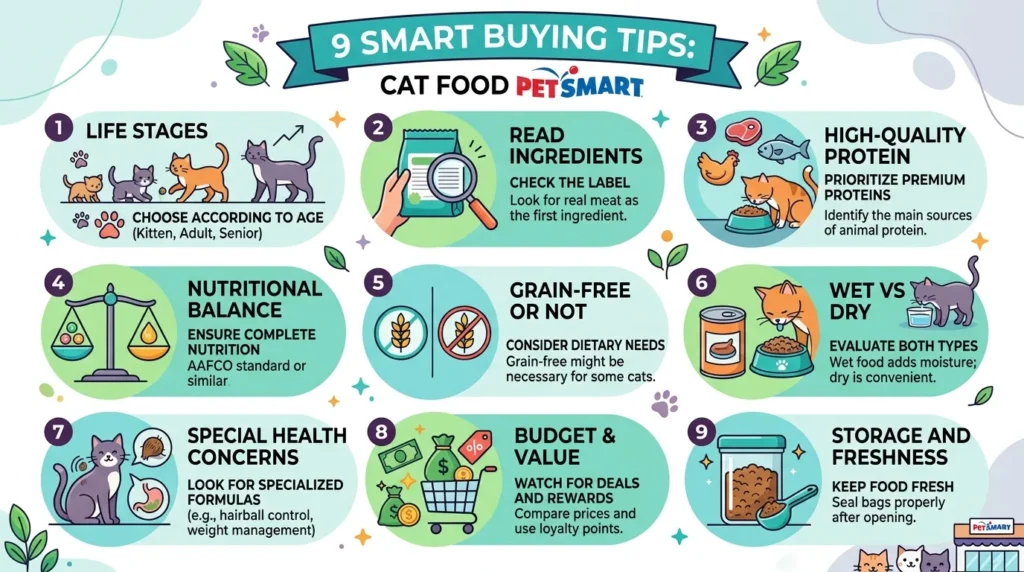
Choosing the right cat food petsmart option can feel confusing when every bag and can looks “perfect.” You may see dry food, wet food, kitten food, senior food, grain-free food, and special formulas all in one place. So, which one should you pick?
The answer depends on your cat’s age, health, taste, and daily routine. Also, your budget matters. Great cat food should support your cat without making shopping stressful.
In my experience, most cat parents don’t need the most expensive food. They need the right food. That means checking the label, understanding your cat’s needs, and avoiding flashy claims.
This guide will help you shop with more confidence. You’ll learn what to look for, what to skip, and how to compare popular options. Also, you’ll get simple tips that make feeding easier at home.
What Is Cat Food PetSmart?
Cat food petsmart refers to the cat food options you can find at PetSmart stores or on the PetSmart website. These options may include dry cat food, wet cat food, kitten food, senior cat food, treats, toppers, and veterinary diet products.
PetSmart carries many well-known cat food brands. You may see brands like Purina, Hill’s Science Diet, Royal Canin, Blue Buffalo, Fancy Feast, Nulo, Wellness, Iams, and others. However, stock can change by location and online availability.
The biggest benefit is choice. You can compare food by age, flavor, texture, brand, price, and diet type. For example, one cat may love chicken pate. Another cat may only eat tuna shreds in gravy.
Also, some cats need special support. They may need hairball control, urinary tract support, sensitive stomach food, or weight management food. However, special diets should match your cat’s real needs.
Always check the label first. Look for a food that says “complete and balanced.” Then, make sure it matches your cat’s life stage. Kittens, adults, and senior cats do not always need the same formula.
How to Choose Cat Food PetSmart Options Wisely
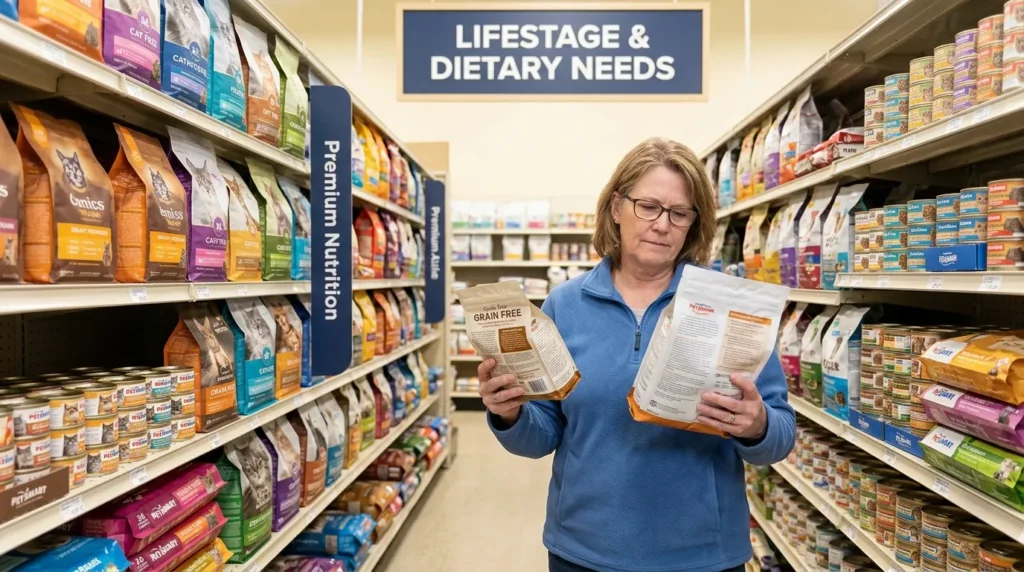
Buying cat food petsmart products becomes easier when you follow a simple plan. You don’t need to guess. Instead, use your cat’s needs as your shopping guide.
Here’s a friendly step-by-step method.
1. Start with your cat’s age
First, check your cat’s life stage. A kitten needs food made for growth. An adult cat needs maintenance nutrition. A senior cat may need easier digestion or extra support.
Look for these label terms:
- Kitten formula for growing cats
- Adult maintenance for adult cats
- All life stages for mixed-age homes
- Senior formula for older cats
However, don’t switch only because your cat had a birthday. Your vet can help if your cat has health changes.
2. Choose wet, dry, or both
Next, decide between wet cat food and dry cat food. Many cats do well with a mix.
Dry food is easy to store. Also, it often costs less per serving. It works well for busy homes.
Wet food gives more moisture. Therefore, it can help cats that don’t drink much water. Many picky cats also prefer wet food textures.
A mixed routine can work well. For example, you may feed wet food in the morning and dry food later.
3. Read the first ingredients
Then, check the ingredient list. Meat, seafood, or meat by-products should appear near the top. Cats need animal-based nutrients because they are obligate carnivores.
That doesn’t mean every grain-free food is better. Also, it doesn’t mean every food with grains is bad. The full formula matters more than one trendy claim.
Look for:
- Chicken, turkey, salmon, tuna, or beef
- Added taurine
- Clear life-stage statement
- Vitamins and minerals
- Feeding instructions
4. Match the food to your cat’s body
Your cat’s body gives useful clues. A shiny coat, steady energy, normal stool, and healthy weight are good signs.
However, watch for changes. If your cat vomits often, loses weight, stops eating, or drinks much more water, call your vet. Food may help, but health issues need proper care.
5. Check calories and feeding amounts
Also, check calories. Two foods can look similar, yet one may have more calories per cup or can.
This matters for indoor cats. They often move less than outdoor cats. As a result, they may gain weight faster.
Use the feeding guide as a starting point. Then, adjust based on your cat’s body condition and vet advice.
6. Consider your budget
Good cat food should fit your budget. If food is too costly, it may become hard to buy every month.
So, compare cost per serving, not just package price. A bigger bag may cost more today, but it may save money later.
Also, watch for autoship savings, store deals, and multi-pack wet food. These can help regular buyers.
7. Transition slowly
Finally, never switch food too fast. A sudden change can upset your cat’s stomach.
Try this simple plan:
- Days 1–2: 75% old food, 25% new food
- Days 3–4: 50% old food, 50% new food
- Days 5–6: 25% old food, 75% new food
- Day 7: 100% new food
However, slow down if your cat gets soft stool or refuses food.
Pro Tip: Keep a small feeding notebook for two weeks after switching food. Track appetite, stool, coat, energy, and weight changes.
Best Cat Food PetSmart Comparisons by Need
The best cat food petsmart choice depends on your cat. So, don’t shop by brand name alone. Shop by purpose.
Here’s a simple comparison table.
| Cat Need | Food Type to Consider | Why It Helps |
| Picky eater | Wet food, pate, shreds, gravy | Strong smell and soft texture may help |
| Indoor cat | Indoor dry or wet food | May support weight and hairball control |
| Kitten | Kitten wet or dry food | Supports growth and high energy needs |
| Senior cat | Senior formula | May support aging needs |
| Sensitive stomach | Limited ingredient or sensitive formula | May be easier to digest |
| Urinary support | Urinary care formula | May support urinary health |
| Weight control | Healthy weight formula | Helps manage calories |
| Multi-cat home | All life stages food | Useful when cats share bowls |
Of course, some cats need more specific care. For example, urinary issues can become serious. Therefore, always consult your vet before using food to manage a medical problem.
Wet cat food at PetSmart
Wet food can be a strong choice for cats that avoid water. Also, it comes in many textures. You may find pate, minced food, chunks in gravy, flakes, and shredded options.
Wet food works well for picky cats. The smell feels stronger, so cats may show more interest. However, wet food needs proper storage after opening.
Dry cat food at PetSmart
Dry food is simple and convenient. You can measure it easily. Also, it works well with puzzle feeders.
However, dry food has less moisture than wet food. So, keep fresh water nearby. You can also use a pet water fountain if your cat likes moving water.
Kitten food at PetSmart
Kitten food supports fast growth. It usually has higher calories and nutrients than adult food. Therefore, adult food may not give kittens everything they need.
If you bring home a kitten, ask what food they already eat. Then, switch slowly if needed.
Senior cat food at PetSmart
Senior cats can have different needs. Some lose muscle. Some gain weight. Others develop dental or kidney concerns.
Because of that, senior food should match your cat’s health. Don’t guess if your older cat has new symptoms. A vet visit can save time and stress.
Common Mistakes to Avoid When Buying Cat Food
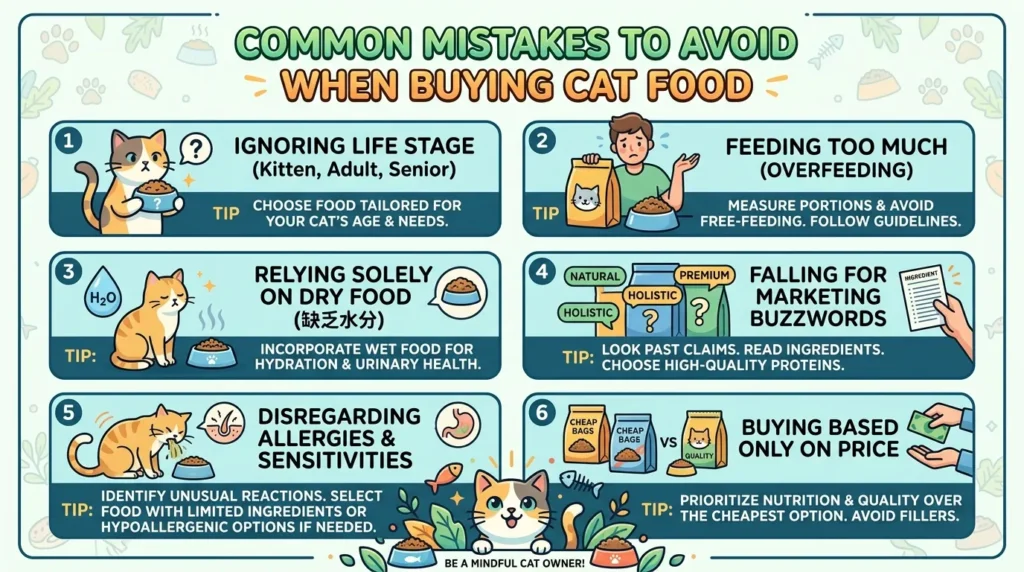
Even caring cat parents make mistakes. The good news is that most are easy to fix.
Mistake 1: Buying only by price
Budget matters, of course. However, the cheapest food is not always the best value. A food with poor fit may lead to waste because your cat refuses it.
Instead, balance price, nutrition, and your cat’s response.
Mistake 2: Ignoring the life-stage label
A kitten should not live on adult maintenance food. Also, some adult cats may not need kitten-level calories.
So, check the life-stage statement every time you try a new food.
Mistake 3: Switching too quickly
Cats like routine. Their stomachs often like routine too. Therefore, quick food changes can cause digestive problems.
Always transition slowly unless your vet gives different advice.
Mistake 4: Treating “grain-free” as always better
Grain-free sounds healthy, but it is not always necessary. Some cats do well with grains. Others may need a special formula.
Focus on the full nutrition profile. Also, ask your vet if your cat has allergies or digestive issues.
Mistake 5: Feeding too much
Many cat parents overfeed without meaning to. A few extra scoops can add up fast.
Use a measuring cup. Also, count treats. Treats should not replace balanced meals.
Mistake 6: Forgetting water
Food is only part of your cat’s daily care. Water matters too.
Keep bowls clean. Also, place water away from the litter box. Some cats drink more when bowls sit in quiet spots.
Mistake 7: Using vet diets without vet guidance
Vet-authorized diets can help certain cats. However, they are not casual foods. They are made for specific needs.
So, consult your vet before choosing a veterinary diet. This is especially important for kidney, urinary, weight, or digestive concerns.
Smart Shopping Tips for Cat Food PetSmart Buyers
Shopping for cat food petsmart choices can feel smoother with a few small habits. These tips can save money and reduce waste.
First, buy a small size when trying a new food. Cats can be dramatic about flavor. One cat may love salmon. Another may walk away like you served cardboard.
Next, compare textures. A cat that hates pate may love gravy. Also, a cat that refuses chunks may prefer smooth wet food.
Then, check the return policy before buying a big bag. Store rules may change, so confirm before purchase.
In addition, keep your cat’s favorite food in stock. Cats can refuse sudden changes. So, don’t wait until the bag is empty.
Finally, save the label from foods your cat likes. This helps you compare protein, calories, and ingredients next time.
Cat Food PetSmart FAQ
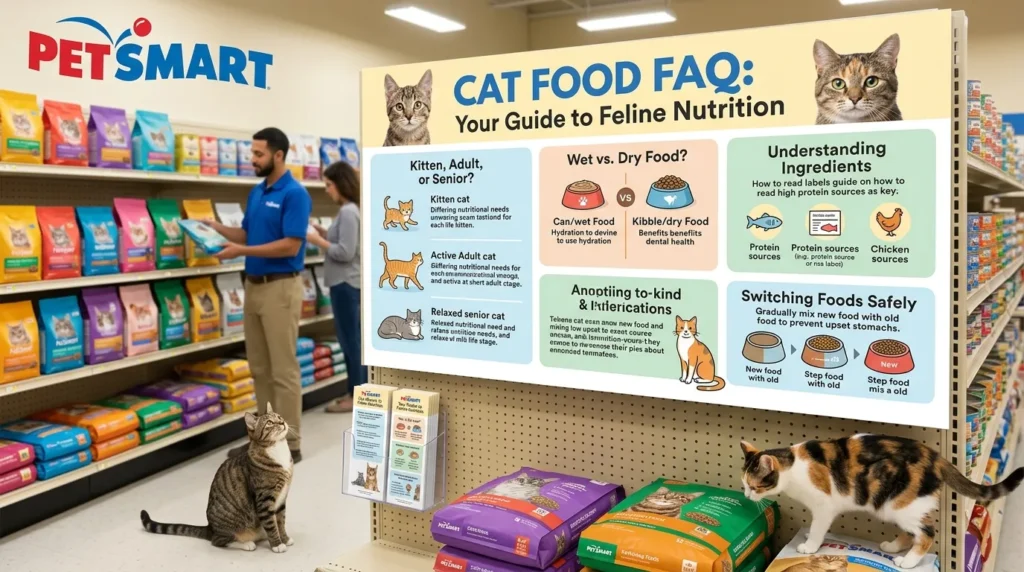
1. What is the best cat food petsmart option for indoor cats?
The best cat food petsmart option for indoor cats depends on weight, age, and activity level. Many indoor cats do well with indoor formulas because they may support hairball control and calorie balance.
However, don’t choose only by the word “indoor.” Read the label, calories, ingredients, and feeding guide. Also, watch your cat’s weight and energy.
2. Is wet cat food better than dry cat food?
Wet food is not always better, but it has more moisture. Therefore, it can help cats that don’t drink enough water. Many cats also enjoy the smell and texture.
Dry food is convenient and often more budget-friendly. Also, it works well for puzzle feeders. Many homes use both.
3. How do I know if cat food is complete and balanced?
Look for a nutritional adequacy statement on the label. It should say the food is complete and balanced for a life stage, such as adult maintenance or growth.
This statement matters more than pretty packaging. If you feel unsure, take a photo of the label and ask your vet.
4. Can I buy kitten food for an adult cat?
Adult cats should not eat kitten food as their regular diet unless your vet recommends it. Kitten food often has more calories because kittens grow fast.
If an adult cat eats it often, weight gain may happen. However, a small bite by accident usually is not a big problem.
5. Does PetSmart sell food for cats with sensitive stomachs?
Yes, PetSmart usually carries sensitive stomach cat food options. You may find dry and wet formulas from different brands.
However, stomach issues can have many causes. If your cat vomits often or has ongoing diarrhea, consult your vet first.
6. How often should I change my cat’s food?
You don’t need to change your cat’s food often if it works well. Cats usually prefer routine. Also, sudden switches can upset digestion.
Change food when your cat’s needs change. For example, kittens become adults, or your vet suggests a new diet.
7. Is expensive cat food always healthier?
No, expensive cat food is not always healthier. Some higher-priced foods use better ingredients or special formulas. However, price alone does not prove quality.
Check the label, life-stage fit, calories, and your cat’s response. A good food should support your cat and fit your budget.
8. What should I do if my cat refuses new food?
First, slow down the transition. Mix a small amount of new food with the old food. Then, increase the new food slowly.
Also, try a different texture or flavor. Some cats care more about texture than brand. If your cat stops eating fully, call your vet.
Final Thoughts
Finding the right cat food petsmart product does not need to feel stressful. Start with your cat’s age, health, taste, and daily routine. Then, read the label and choose food that fits your budget.
Also, pay attention after each food change. Your cat’s coat, stool, weight, and energy can tell you a lot. If anything feels off, consult your vet before guessing.
Now you can shop with more confidence. Pick one or two good options, test them slowly, and build a feeding routine your cat enjoys every day.