Introduction:
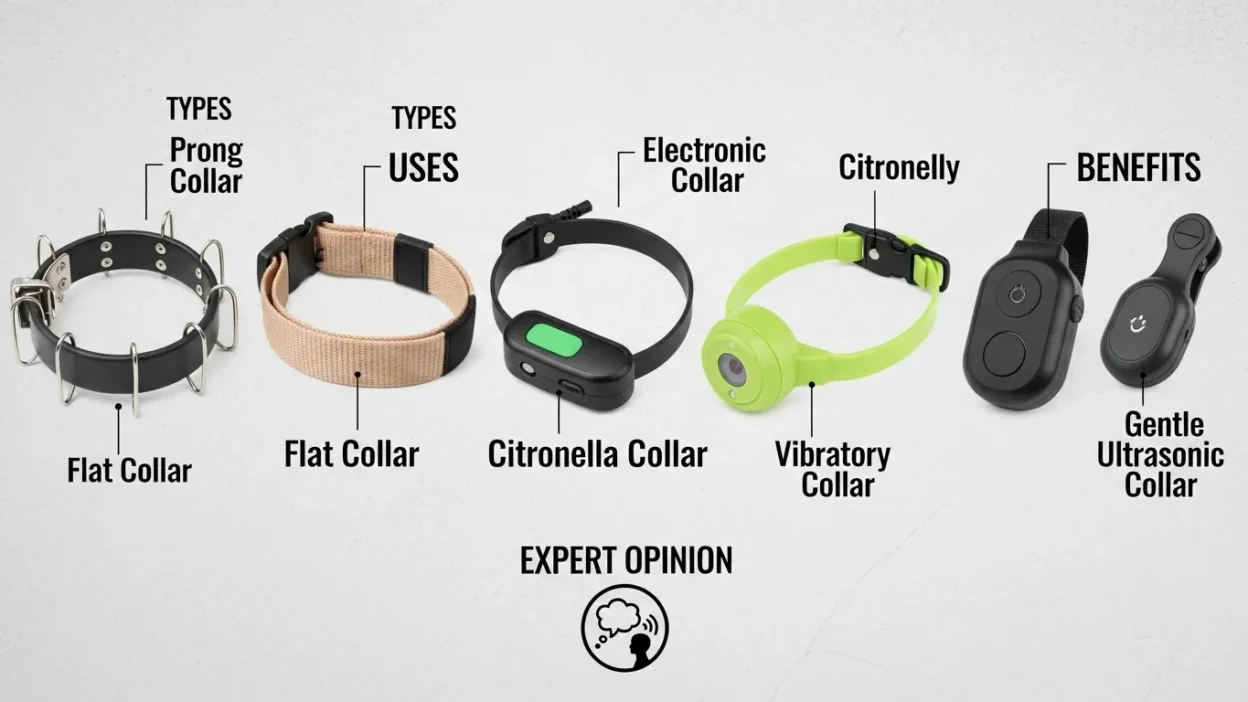
Barking is a natural process for dogs. It is their means of expression. But when this barking becomes excessive, it disturbs the neighbors, the home environment deteriorates and the dog itself can also suffer from mental stress. In such a situation, many people use dog barking collar. These collars are specially designed to give the dog a feeling that will stop it from barking when it barks excessively. In this article, we will shed light in detail on the different types of dog barking collar, how they work, their advantages, disadvantages and expert opinions. Understanding dog barking collars is essential for every dog owner who wants to control this habit in their dog.
Why Do Dogs Bark?

Before we learn about dog barking collar, it is important to understand why dogs bark. According to Katharina Marioth, a famous dog trainer from Germany, dogs bark for various reasons.
Separation anxiety: A dog barks out of fear when left alone.
Attention seeking: Some dogs bark to get attention, such as when they want a ball to be thrown at them.
Territorial behavior: A dog barks to warn when a stranger approaches the house.
Frustration: A dog barks out of frustration when ignored.
It is very important to understand these reasons because dog barking collars only suppress the symptoms, not treat the underlying cause.
Types of Dog Barking Collar
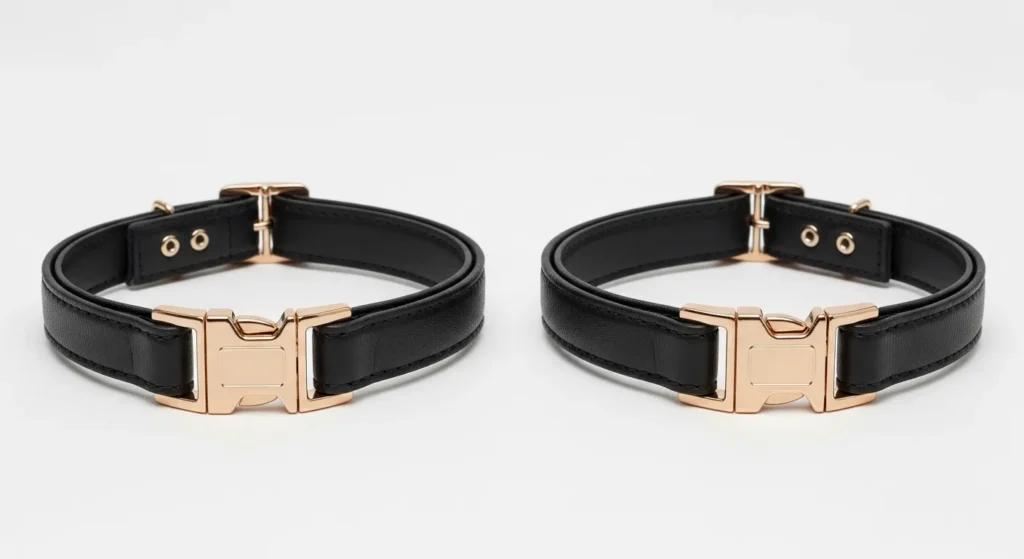
Dog barking collar come in different types. Each type has its own mechanism and its own advantages and disadvantages. According to official websites and experts, there are four main types of dog bark collars.
Citronella spray collar:
This dog barking collar is filled with a citronella solution. When the dog barks, the solution is sprayed towards its mouth. According to the official website of Sacramento County, it is considered a humane method and works on dogs that dislike the smell of citronella.
Pros: Considered humane, does not cause pain.
Cons: Can be triggered by other sounds due to the microphone. Some dogs detect an empty tank and start barking again.
Ultrasonic collar:
This dog bark collar emits a high-frequency sound that dogs dislike. This sound is inaudible to humans.
PetSafe’s ultrasonic dog barking collar works on the same principle. It is suitable for dogs weighing more than 8 pounds.
Pros: No physical sensation, silent to humans.
Cons: Does not affect some dogs, may be affected by other sounds.
Static collar:
This dog barking collar delivers a mild electric shock when the dog barks. PetSafe’s Bark Collar delivers 15 levels of static stimulation.
According to Wikipedia, this type of dog bark collar is illegal in the UK but popular in the US.
Pros: Effective, various levels of convenience.
Cons: Controversial, can cause pain, illegal in some countries.
Vibration collar:
This dog barking collar produces a slight vibration when the dog barks. This is considered the gentlest method.
Pros: Harmless, gentle method.
Disadvantages: Does not work on stubborn dogs.
Popular Dog Bark Collar Models
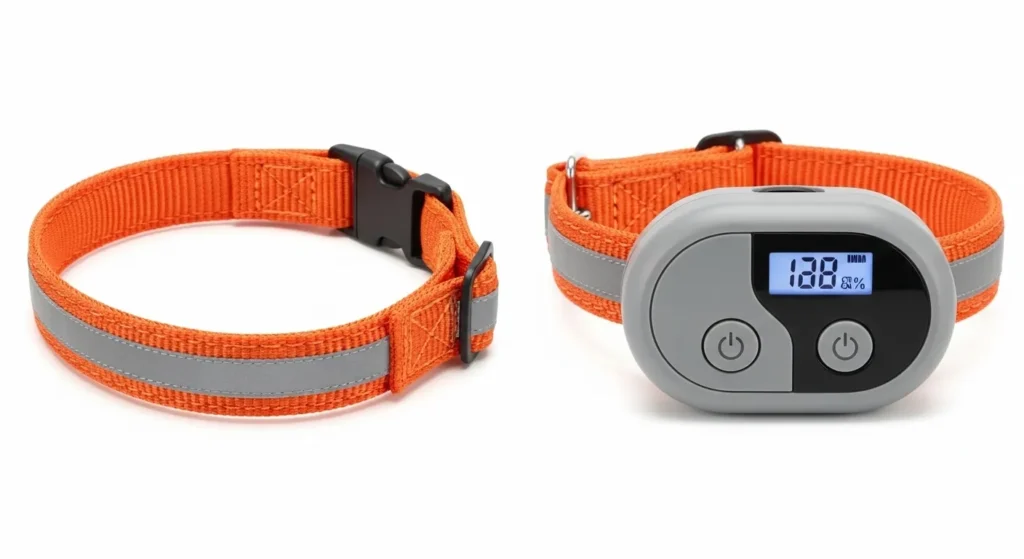
There are many companies making dog bark collars in the market.
PetSafe Bark Collar (PBC19-16636):
This dog barking collar provides 15 levels of static stimulation. It automatically increases the level according to the number of barks. Suitable for dogs weighing more than 3.6 kg and over 6 months of age. Waterproof.
PetSafe Spray Bark Collar:
This dog barking collar works on dual technology. It sprays by sensing both sound and vibration, so it does not turn on on other sounds. It charges in two hours and runs for 40 hours. Suitable for dogs weighing more than 8 pounds.
PetSafe Ultrasonic Bark Collar:
This dog barking collar uses ultrasonic sound. Suitable for dogs weighing over 8 pounds. It also has a “No Bark Guarantee.”
PetSafe Nano Bark Collar:
This dog barking collar is small in size and provides static stimulation. It should not be worn for more than 12 hours a day.
Fi Series 3 Plus:
This is not a dog barking collar but a fitness collar that offers GPS tracking and health monitoring. It costs $99.
Benefits of Dog Bark Collars
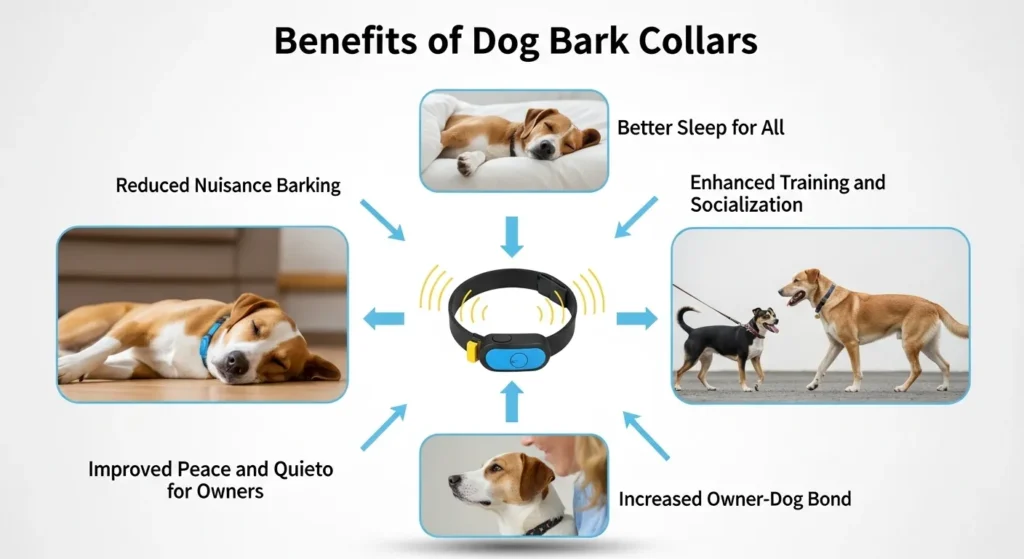
There are some benefits to using a dog bark collar.
Immediate Results:
Most dog barking collar show results within the first few days of use. According to PetSafe, their spray bark collar can change behavior within two weeks.
Continuous Correction:
Dog bark collars respond continuously to every bark. They are more consistent than humans.
Remote control:
Dog bark collars are automatic, so the owner does not need to be present all the time.
Choice of different types:
You can choose a dog barking collar according to your dog’s needs. If you want a gentle method, get a spray collar, if you want an effective one, get a static collar.
Get rid of neighbors’ complaints:
If the dog barks a lot, the neighbors are worried. A dog barking collar can solve this problem.
Disadvantages of dog bark collars
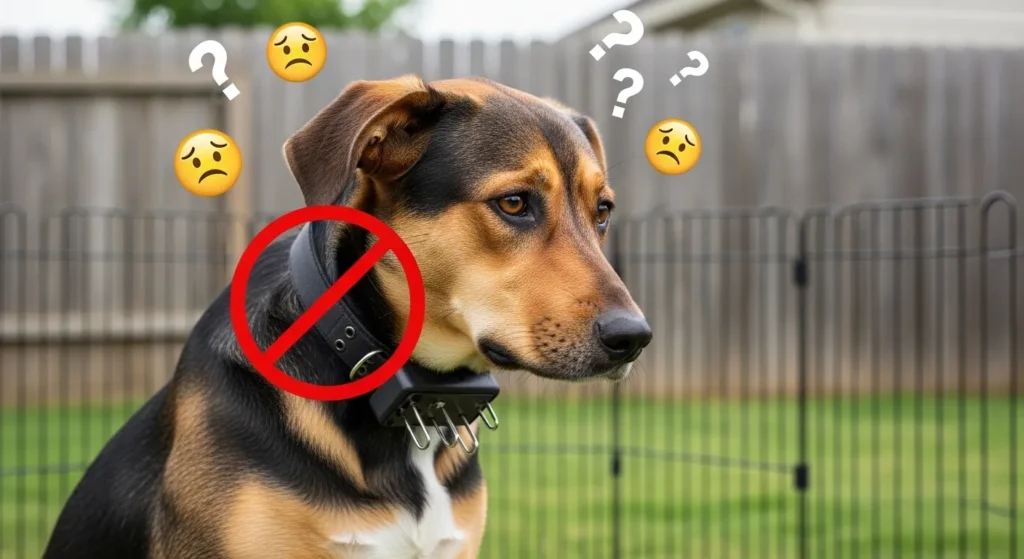
According to experts, there are also several disadvantages of dog bark collars.
Criticism from experts:
German dog trainer Katharina Marioth is a strong critic of dog bark collar. She says, “I consider such collars to be a concern for the welfare of animals.”
She says that bark collars only suppress the symptoms, not the root cause. “It’s not training, it’s pure symptom control.”
Incorrect functionality:
Many bark collar also go off when triggered by other sounds. According to users, some collars go off when triggered by coughing, talking, or even the sound of a leash.
Dog adaptation:
Some dogs become addicted to bark collars. Marioth recounts a story about a German Shepherd who mistook a spray collar for a toy and started barking more.
Risk of misuse:
Improper use of bark collars can be stressful for dogs. According to PetCube, static collars can make dogs fearful and develop negative associations with their owners.
Skin irritation:
Prolonged use of a bark collar can cause skin irritation. PetSafe recommends that the collar not be worn for more than 12 hours.
How to Use a Bark Collar
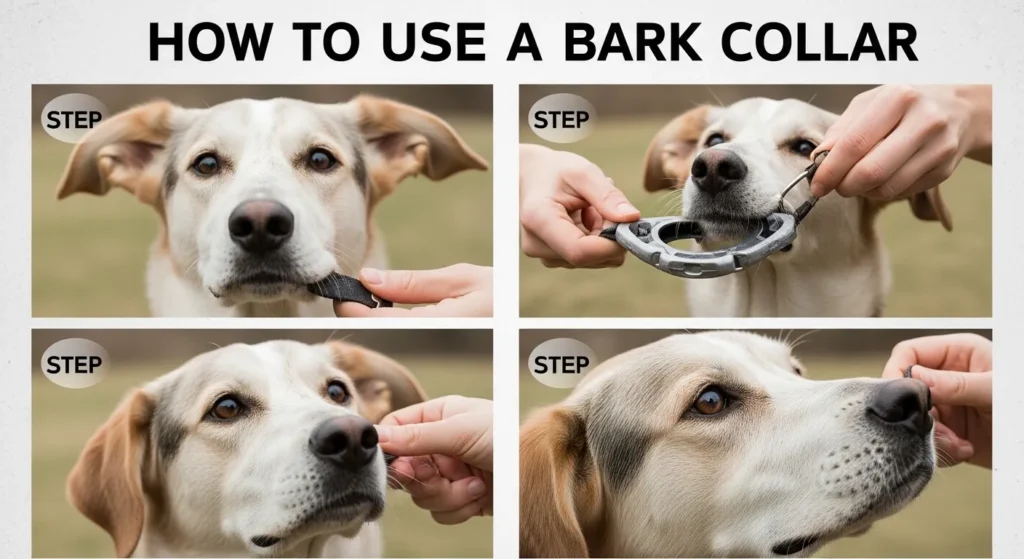
If you decide to use a bark collar, follow these instructions.
Proper Fit:
Fit the bark collar properly. If it is too loose, the sensor will not work, and if it is too tight, irritation will occur.
Stay with your dog for the first few days:
According to PetSafe, do not leave your dog alone for the first few days when he wears the bark collar.
Provide positive reinforcement:
When your dog stops barking because of the bark collar, reward him. This will teach him that being quiet is a good thing.
Consistency:
Use the bark collar every time you expect your dog to be quiet. Otherwise, he will become confused.
Second Week Test:
PetSafe says that in the second week, your dog will “test” the bark collar and try to bark more. Be consistent during this time.
12-Hour Rule:
Do not wear the bark collar for more than 12 hours a day. If irritation occurs, discontinue use immediately.
Alternatives to Barking Collars

According to experts, there are better alternatives to barking collars.
Find the cause:
It’s important to first figure out why your dog is barking, says Katharina Marioth. Separation anxiety, attention seeking, or territorial behavior? Each cause requires a different treatment.
Positive training:
It’s important to gradually build trust with separation anxiety. Introducing privacy screens and other stimuli to territorial behavior can help.
Exercise and mental stimulation:
Tiring your dog down will help them bark less. Daily exercise and mental activities (like puzzle toys) can help a lot.
Professional trainer:
If the problem is serious, consult a professional dog trainer. They can help you solve the problem without a barking collar.
Teach the quiet command:
Teach the “quiet” command. Say “quiet” when your dog barks and reward him when he stops.
Dog Bark Collar User Experiences
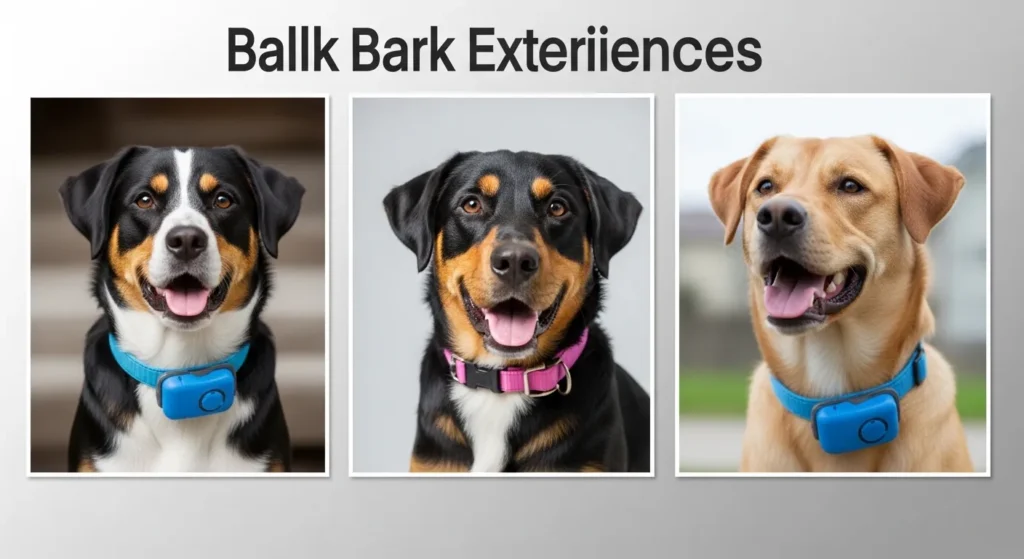
Different users have different experiences with dog bark collars.
Positive Experiences:
One user said about the PetSafe Ultrasonic Collar: “My dog barked a lot. This collar is a lifesaver. He barks sometimes when I’m not home but it stops within minutes, not hours.”
Another user said about the spray collar: “We have a very talkative Great Dane. Nothing worked for him but this collar did. He doesn’t feel any pain but he stops barking.”
Negative Experiences:
Some users found the dog bark collar to be a failure. One user said: “A total waste of money. My dog barks as much as she used to.”
Another user complained: “The collar repeatedly sprays my dog without barking, for example when he moves his body.”
Another user said: “The collar only went off when I cleared my throat. There is no way to adjust the sensitivity.”
Legal aspects of dog bark collars
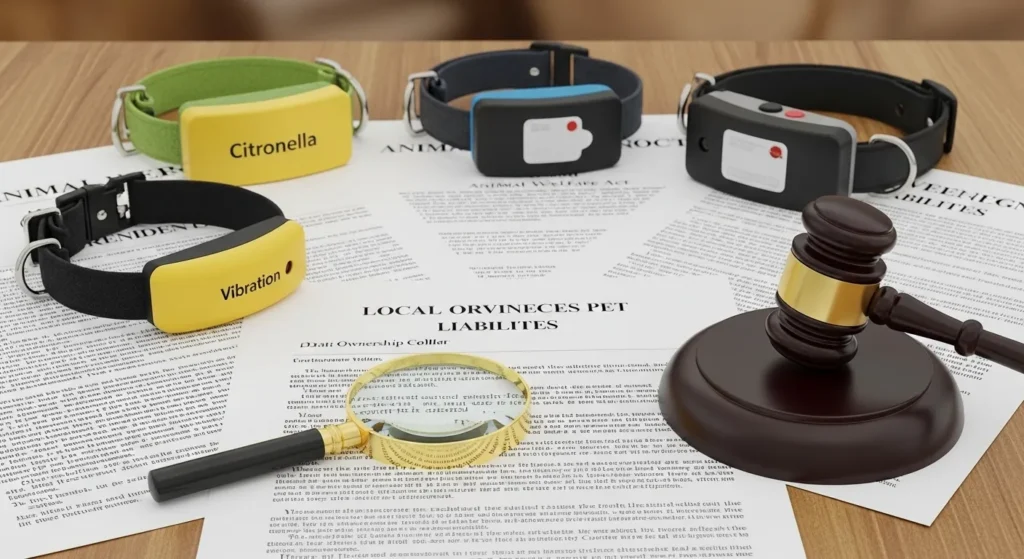
The legal aspects of dog bark collars are also important.
UK:
According to Wikipedia, static dog bark collars are illegal in the UK.
US:
These dog bark collars are legal in the US, but some states are banning or attempting to ban them.
Germany:
The use of dog bark collars in Germany is heavily criticized, as evidenced by expert opinions.
Pakistan:
There is no clear law regarding dog bark collars in Pakistan. These are generally available.
Official Advice:
The Sacramento County website strongly discourages “shock collars” and recommends humane “bark collars” such as citronella collars instead.
Alternatives to Bark Collars

There are other devices besides bark collars.
Ultrasonic Devices:
These are not like bark collars, but are devices placed in the home that emit an ultrasonic sound when a dog barks.
Handler-Activated Devices:
Some bark collars are not automatic but operate when the owner presses a button. The official website prefers this because it includes a training aspect.
GPS Trackers:
Collars like the Fi Series 3 Plus are not bark collars but health and location trackers.
Conclusion:
Dog bark collar can be a useful tool if used correctly. But bark collars are not magic. They are just a tool.
Before using a bark collar, be sure to understand why your dog is barking. If he is barking due to separation anxiety, try to relieve his anxiety rather than using a bark collar. If he is barking for attention, teach him to ignore it.
Use a bark collar as a last resort. Try training, exercise, and positive reinforcement first. If all else fails, a dog bark collar can be tried.
When choosing a dog bark collar, consider your dog’s age, weight, temperament, and health. Never use a dog bark collar on a small dog. Consult a vet before using a bark collar on an older dog.
Follow the instructions when using a dog bark collar. Remember the 12-hour rule. If you notice any skin irritation, remove the bark collar immediately.
And most importantly, continue training and positive reinforcement along with the bark collar. Bark collars will only work as long as you are training with them.
The purpose of a dog bark collar is to teach your dog to be quiet, not to scare him. If your dog is becoming fearful of the bark collar, stop using it immediately.
Finally, be sure to consult a professional trainer before purchasing a dog bark collar. Your problem may be solved without a dog bark collar.