
Introduction
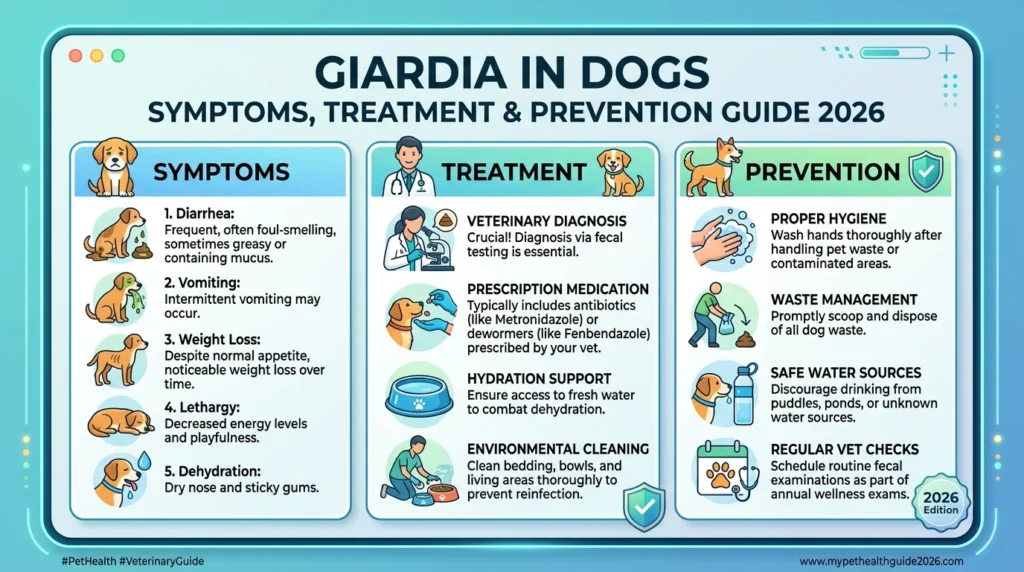
Your dog has had loose, greasy stools for several days. Maybe they’ve lost a little weight. Maybe they seem slightly less energetic than usual. And now your vet has mentioned the word giardia in dogs and suddenly you have a dozen questions you need answered.
Giardia is one of the most common intestinal parasites affecting dogs worldwide. Many pet owners don’t realize how easily dogs pick it up from puddles, streams, contaminated soil, or contact with infected animals. Also, many infected dogs show no symptoms at all, making giardia surprisingly easy to miss.
In my experience, the most important things to understand about giardia are its transmission, its treatment options, and critically how to prevent reinfection. Because giardia is notoriously persistent in the environment, treating the dog is only part of the solution.
This guide covers everything what giardia actually is, how dogs get it, what symptoms to watch for, how it’s diagnosed and treated, and the most effective prevention strategies. Let’s get through this together.
Quick Answer
Giardia in dogs is an intestinal infection caused by the microscopic parasite Giardia duodenalis. Dogs contract it by ingesting contaminated water, soil, or feces. Common symptoms include soft or watery stools, weight loss, and decreased energy. Treatment involves antiparasitic medications prescribed by a veterinarian. Most dogs recover fully with appropriate treatment.
Key Takeaways
- Giardia is a microscopic intestinal parasite not a worm or bacteria that lives in the small intestine
- Dogs contract giardia by ingesting contaminated water, soil, or feces containing giardia cysts
- Many infected dogs show no symptoms asymptomatic carriers can still spread the parasite to other animals
- Common symptoms include soft, greasy, or watery stools, weight loss, and fatigue
- Metronidazole and fenbendazole are the most commonly prescribed treatments
- Environmental decontamination is essential treating the dog without cleaning the environment causes reinfection
What Is Giardia in Dogs? Understanding the Parasite
Giardia in dogs is an intestinal infection caused by Giardia duodenalis, a single-celled microscopic parasite that infects the small intestine. It’s one of the most common intestinal parasites found in dogs worldwide, affecting an estimated 1–7% of adult dogs and up to 50% of puppies in some settings.
How Does Giardia Work Inside a Dog’s Body?
Giardia exists in two forms during its lifecycle. The active form called a trophozoite lives and reproduces in the small intestine. The dormant form called a cyst passes out of the body in feces and can survive in the environment for weeks to months under the right conditions.
When a dog ingests giardia cysts through contaminated water, soil, or feces the cysts transform into active trophozoites in the small intestine. Therefore, the parasite attaches to the intestinal lining and interferes with normal nutrient absorption. As a result, dogs develop the characteristic digestive symptoms associated with giardia infection.
Is Giardia in Dogs Contagious to Humans?
This question comes up constantly and the honest answer is nuanced. Giardia duodenalis has multiple genetic assemblages. The assemblages most commonly found in dogs (C and D) are different from those most commonly found in humans (A and B). Therefore, the risk of dog-to-human giardia transmission is considered low but not zero.
However, certain assemblages found in dogs can infect humans. Therefore, standard hygiene practices washing hands after handling dogs, their waste, or their belongings are always important, particularly for immunocompromised family members or young children.
What Are the Symptoms of Giardia in Dogs?
Giardia symptoms in dogs range from completely absent to severely debilitating depending on the dog’s age, immune status, and parasite load. Therefore, never assume your dog is clear of giardia based on the absence of obvious symptoms.
Common Giardia Symptoms to Watch For
| Symptom | Description | Severity |
| Soft or watery stools | Most consistent sign may be intermittent | Mild to Severe |
| Greasy-looking stools | Pale, fatty appearance from malabsorption | Moderate |
| Mucus in stool | Visible mucus coating or mixed into stool | Mild to Moderate |
| Weight loss | From ongoing malabsorption of nutrients | Moderate to Severe |
| Decreased energy | Lethargy and reduced enthusiasm for activity | Mild to Moderate |
| Vomiting | Less common but possible in some cases | Mild to Moderate |
| Gas and bloating | Abdominal discomfort and flatulence | Mild |
| No symptoms | Common in adult dogs with healthy immune systems | Asymptomatic |
Which Dogs Are Most at Risk?
Not every dog exposed to giardia develops symptoms. Several factors affect susceptibility:
- Puppies immature immune systems make them significantly more vulnerable
- Senior dogs weakened immunity increases infection risk and severity
- Immunocompromised dogs dogs on immunosuppressive medications or with immune conditions
- Dogs in high-density environments kennels, shelters, dog parks, and daycare facilities
- Dogs with access to natural water sources streams, ponds, and puddles are common transmission sources
When Should You See a Vet?
Contact your veterinarian if your dog shows:
- Diarrhea lasting more than 24–48 hours
- Blood in the stool this requires immediate veterinary attention
- Significant lethargy or loss of appetite
- Visible weight loss over days or weeks
- Vomiting combined with diarrhea
Also, contact your vet if you know your dog drank from a natural water source and later develops any digestive symptoms, even mild ones.
How Is Giardia in Dogs Diagnosed and Treated?
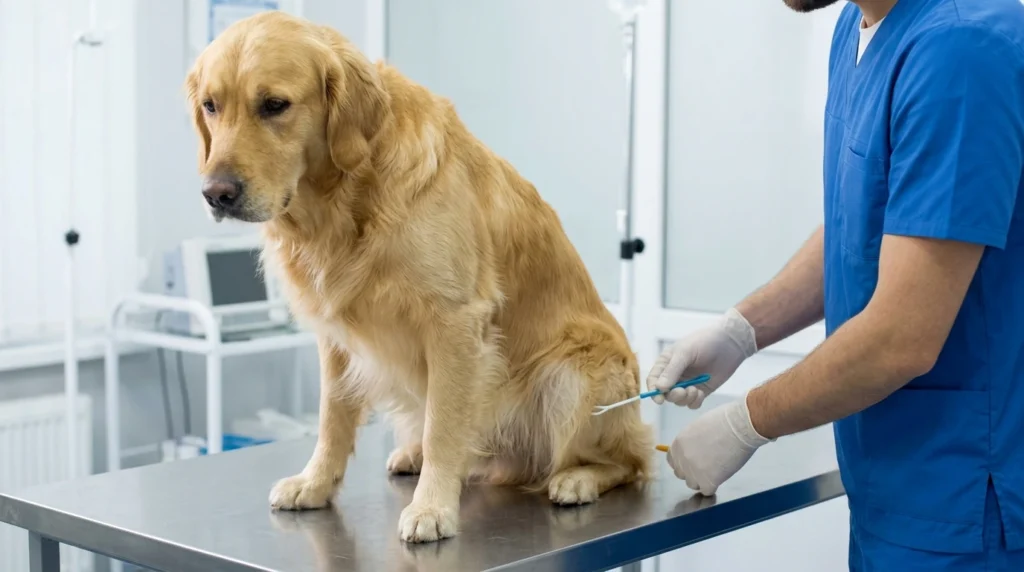
Giardia diagnosis and treatment require veterinary involvement. Therefore, never attempt to treat giardia without a confirmed diagnosis and professional guidance.
Step-by-Step Diagnosis and Treatment Guide
Diagnosis:
- Veterinary examination. Your vet will first perform a physical examination and discuss your dog’s symptoms and recent history. Because giardia symptoms overlap with many other digestive conditions, professional evaluation is essential before starting any treatment.
- Fecal testing. Giardia diagnosis typically requires one or more of these tests:
- Fecal flotation identifies giardia cysts, though sensitivity is limited
- ELISA antigen test (SNAP test) detects giardia proteins in feces; more sensitive than flotation
- PCR testing most sensitive option; identifies giardia DNA; recommended when other tests are negative but giardia is strongly suspected
- Multiple samples may be needed. Giardia cysts shed intermittently meaning a single negative fecal test doesn’t guarantee your dog is clear. Therefore, vets often recommend testing multiple samples collected on different days for most reliable results.
Treatment:
- Antiparasitic medication. The most commonly prescribed treatments for giardia in dogs include:
- Metronidazole (Flagyl) antibiotic with antiparasitic properties; typically given for 5–7 days
- Fenbendazole (Panacur) broad-spectrum dewormer; typically given for 3–5 days
- Combination therapy metronidazole and fenbendazole together; often used for resistant cases
- Probiotic support. Many vets recommend a probiotic supplement during and after antibiotic treatment to support gut microbiome recovery. Also, probiotic support may improve treatment outcomes and reduce recurrence. Discuss this with your vet.
- Dietary support during treatment. A bland, easily digestible diet plain boiled chicken and white rice often helps manage digestive symptoms during treatment. Also, ensure your dog stays well hydrated, particularly if diarrhea is present.
- Environmental decontamination. Treating the dog without addressing environmental contamination leads to reinfection. This step is essential and often overlooked. See the next section for complete decontamination guidance.
- Follow-up fecal testing. Your vet will typically recommend a follow-up fecal test 2–4 weeks after completing treatment to confirm clearance. Therefore, don’t skip the retest even if your dog appears clinically normal.
Pro Tip: If you have multiple dogs in the household and one tests positive for giardia, discuss treating all dogs simultaneously with your vet even those showing no symptoms. Asymptomatic carriers can reinfect treated dogs through environmental contamination, creating a persistent cycle that’s very difficult to break without addressing all animals at once.
Environmental Decontamination: The Critical Step Most Owners Miss
Treating giardia in dogs successfully requires both medical treatment AND environmental decontamination. Many owners complete the medication course and consider the job done then wonder why their dog tests positive again weeks later.
How to Decontaminate Your Home and Yard
Indoors:
- Wash all bedding, blankets, and soft toys in hot water (above 140°F/60°C) and dry on high heat
- Disinfect food and water bowls thoroughly with hot water and dish soap; rinse completely
- Mop hard floors with a quaternary ammonium compound disinfectant or diluted bleach solution
- Steam clean carpets giardia cysts are susceptible to heat
- Wash your dog at the beginning and end of treatment to remove cysts from the coat
- Disinfect grooming tools used on your dog
Outdoors:
- Remove all feces from the yard immediately and consistently throughout treatment
- Limit yard access to the smallest possible area during treatment
- Sunlight helps giardia cysts die faster in dry, sunny conditions; maximize sun exposure to contaminated areas
- Avoid natural water sources (puddles, streams, ponds) until treatment is complete and confirmed
Important: Bleach solutions (1:32 dilution) kill giardia cysts on hard surfaces but don’t work effectively on organic material like soil or grass. Therefore, yard decontamination is more challenging than indoor decontamination; sun exposure and feces removal are your most practical outdoor tools.
Common Mistakes in Managing Giardia in Dogs
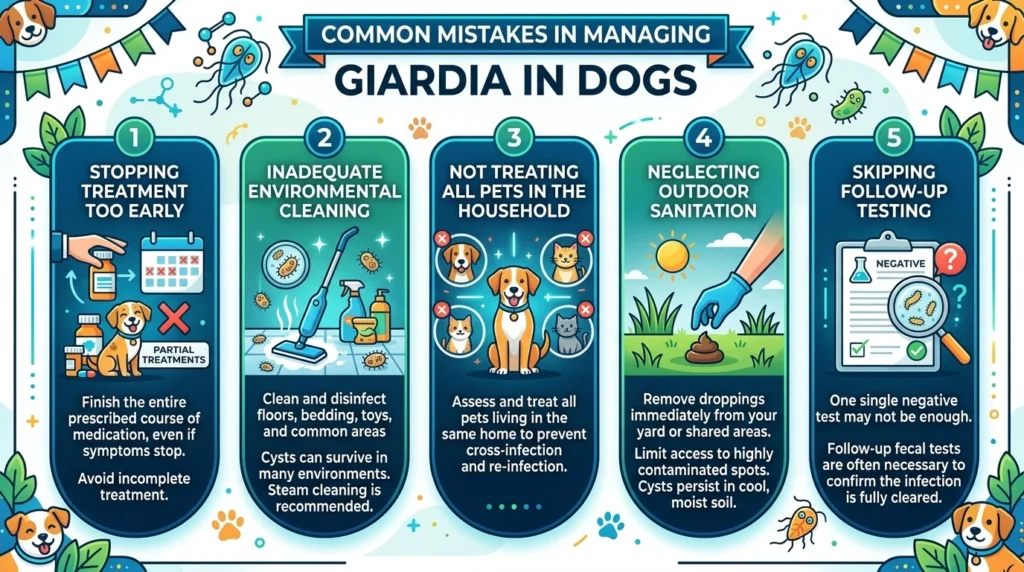
Mistake 1: Stopping Treatment Early
This is one of the most damaging mistakes in giardia management. Owners see improvement in their dog’s stools after a few days of medication and assume the infection is cleared. However, stopping antibiotics or antiparasitic medications before completing the full prescribed course allows surviving parasites to reestablish. Therefore, always complete the full medication course exactly as prescribed even if your dog appears completely recovered.
Mistake 2: Skipping Environmental Decontamination
A simple mistake I often see is owners focusing entirely on the medical treatment while ignoring environmental contamination. Because giardia cysts survive in the environment for weeks to months, an inadequately decontaminated environment reinfects treated dogs almost immediately. Therefore, environmental management is not optional; it’s an essential component of successful giardia treatment. Plan and execute thorough decontamination alongside the medication course.
Mistake 3: Not Testing Other Household Dogs
If one dog in a multi-dog household has giardia, the other dogs have almost certainly been exposed. However, many owners test and treat only the symptomatic dog. As a result, the asymptomatic carrier dogs continue shedding cysts and reinfecting the treated dog. Therefore, discuss testing all household dogs with your vet if giardia is confirmed in one animal and consider simultaneous treatment for all exposed dogs regardless of test results.
Mistake 4: Skipping the Follow-Up Fecal Test
Many owners skip the follow-up fecal test after treatment because their dog seems fine. However, apparently healthy dogs can continue shedding giardia cysts after symptoms resolve creating ongoing transmission risk to other animals and potentially humans. Also, incomplete clearance means ongoing intestinal damage even without visible symptoms. Therefore, always complete the recommended follow-up testing 2–4 weeks post-treatment.
Mistake 5: Allowing Access to Contaminated Water Sources
Dogs with giardia or dogs that have recently recovered should not access natural water sources including streams, ponds, puddles, or communal dog water bowls. These sources are common reinfection routes. Therefore, provide fresh, clean tap water at all times and prevent access to outdoor water sources until treatment is confirmed complete.
Frequently Asked Questions About Giardia in Dogs
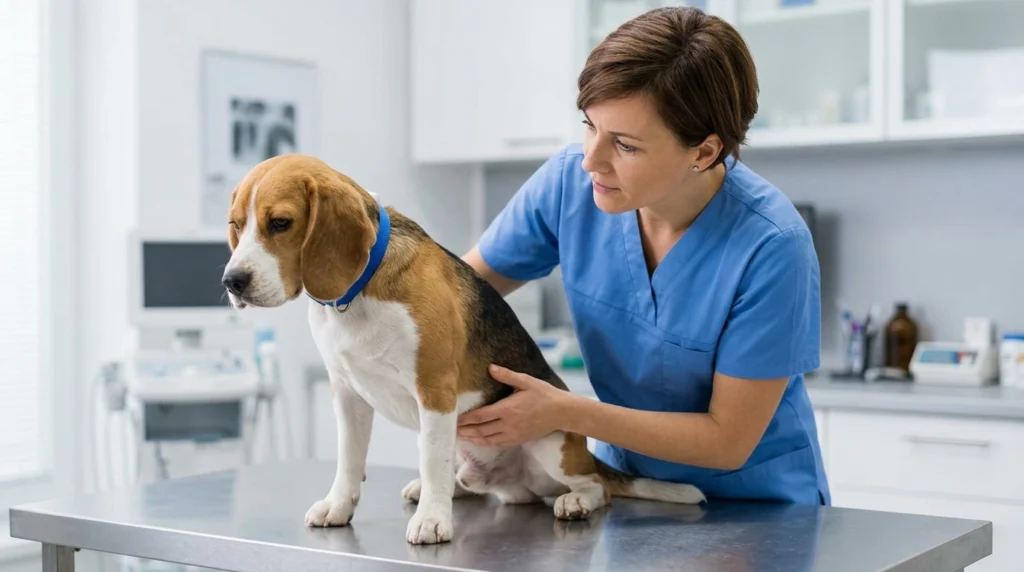
1. How do dogs get giardia?
Dogs get giardia by ingesting giardia cysts, the dormant, infectious form of the parasite. The most common transmission routes include drinking from contaminated water sources (streams, ponds, puddles, standing water), sniffing or ingesting contaminated feces from infected animals, grooming their own coat after contact with contaminated soil, and contact with infected animals at dog parks, kennels, or daycare facilities. Also, puppies can contract giardia from their mother if she’s infected. Because giardia cysts are microscopic and can survive for months in moist, cool environments, completely preventing exposure is very difficult for most dogs with regular outdoor access. Therefore, regular fecal testing at least annually helps catch infections early even in apparently healthy dogs.
2. How long does giardia last in dogs?
With appropriate treatment, most dogs show significant improvement within 3–7 days of starting medication. However, complete parasite clearance typically takes the full treatment course plus a recovery period generally 2–4 weeks total from the start of treatment. Without treatment, giardia can persist indefinitely, causing ongoing intestinal damage and malnutrition. Also, some dogs particularly those with compromised immune systems may require multiple treatment courses to achieve complete clearance. Therefore, always complete treatment as prescribed and follow up with a post-treatment fecal test to confirm clearance rather than assuming recovery based on improved symptoms alone.
3. Can giardia in dogs spread to cats?
Giardia can potentially spread between dogs and cats living in the same household, though the assemblages commonly infecting each species differ somewhat. Contact with contaminated feces or shared water bowls creates transmission opportunities. Therefore, if giardia is confirmed in one pet, discuss testing other household pets including cats with your veterinarian. Also, implement environmental decontamination measures that cover areas accessible to all pets in the home. Your vet may recommend treating all household pets simultaneously to prevent ongoing cross-contamination and reinfection cycles between species.
4. Is giardia in dogs contagious to humans?
The risk of giardia transmission from dogs to humans exists but is considered low. The assemblages most commonly found in dogs (C and D) differ from those most commonly infecting humans (A and B). However, some overlap exists certain assemblages found in dogs can potentially infect humans. Therefore, practice thorough hand hygiene after handling your dog, their feces, bedding, or food bowls during and after treatment. Also, immunocompromised individuals, pregnant women, elderly family members, and young children should take extra precautions when a household dog is diagnosed with giardia. Consult your family physician if you have concerns about human exposure.
5. What does giardia poop look like in dogs?
Giardia stool in dogs has several characteristic features that distinguish it from normal feces. Typically, giardia-infected dogs produce soft, loose, or watery stools often with a pale or yellowish color. Also, the stool frequently appears greasy or fatty and may have a particularly foul odor. Mucus coating or mixed into the stool is common. Blood in the stool is less typical of giardia but can occur. Also, stool quality often fluctuates; your dog might have normal stools one day and significant diarrhea the next. This intermittent pattern is characteristic of giardia and helps distinguish it from other digestive conditions with consistently abnormal stools.
6. Can giardia in dogs be prevented?
Complete prevention is difficult because giardia cysts are widespread in the environment. However, several practices significantly reduce infection risk: provide fresh, clean tap water at all times rather than allowing access to natural water sources; prevent your dog from drinking from puddles, streams, or communal water bowls at parks; pick up feces promptly and consistently; avoid dog parks and high-density dog environments during active giardia outbreaks; and schedule annual fecal testing to catch infections before they progress. Also, bathing dogs regularly particularly after visits to high-risk environments helps reduce cyst ingestion from grooming. There is currently no commercially available vaccine against giardia for dogs in the United States.
7. What is the best diet for a dog with giardia?
Dogs with active giardia benefit from a bland, easily digestible diet during treatment and recovery. Plain boiled chicken (no seasonings) and white rice is the classic recommendation: easy to digest and gentle on an inflamed intestinal lining. Also, commercial gastrointestinal prescription diets from brands like Hill’s, Royal Canin, or Purina Pro Plan Veterinary are excellent options that some vets prefer. Avoid high-fat, high-fiber, or spicy foods during treatment. Also, probiotics particularly Lactobacillus and Bifidobacterium species may help support gut microbiome recovery after antibiotic treatment. Always discuss dietary changes and supplement additions with your veterinarian before implementing them.
Managing Giardia in Dogs Successfully
Giardia in dogs is genuinely manageable and most dogs recover completely with appropriate treatment and environmental management. The key is getting the diagnosis right, completing the full medication course, decontaminating the environment thoroughly, and following up with post-treatment testing to confirm clearance.
Therefore, if you suspect giardia, see your vet promptly rather than waiting. Early diagnosis leads to faster resolution and less intestinal damage. Also, don’t skip the environmental decontamination step; it’s the difference between a one-time treatment success and a frustrating cycle of reinfection.
Finally, practice consistent hygiene with your dog during and after treatment, regular handwashing, prompt feces removal, and clean water access protect both your dog and your family throughout the recovery process.