
Introduction
Small dogs have a way of stealing your heart completely. One look at those big eyes and tiny paws and you’re done. If you’re thinking about getting a small dog, or you already have one, you’ve come to the right place.
Many people assume that small dogs are easier to care for than large breeds. However, that’s not always true. Small dogs have unique needs, specific health concerns, and very big personalities packed into tiny bodies.
In my experience, small dog owners are some of the most passionate and dedicated pet lovers around. They research everything from the best food to the perfect collar size. So, let’s give you everything you need to know.
This guide covers the best small dog breeds, care tips, common mistakes, and much more. By the end, you’ll feel completely confident about raising a happy, healthy small dog.
Why Small Dogs Make Amazing Pets
Small dogs are incredibly popular and for very good reasons. First, they fit comfortably into apartments and smaller homes. Also, they’re easier to travel with, cheaper to feed, and often live longer than large breeds.
However, don’t let their size fool you. Many small dogs are bold, energetic, and surprisingly stubborn. Breeds like Chihuahuas and Dachshunds are famous for their huge personalities.
They’re Perfect for Many Lifestyles
Small dogs adapt well to different living situations. Whether you live in a city apartment or a suburban home, a small dog can thrive with you. In addition, they’re great companions for seniors, singles, couples, and families with older children.
However, some small breeds can be fragile around very young children. Therefore, always supervise interactions between small dogs and toddlers carefully.
They Live Longer And That’s a Beautiful Thing
One of the biggest advantages of owning small dogs is their lifespan. Many small breeds live between 12 to 16 years some even longer. That means more years of unconditional love and companionship.
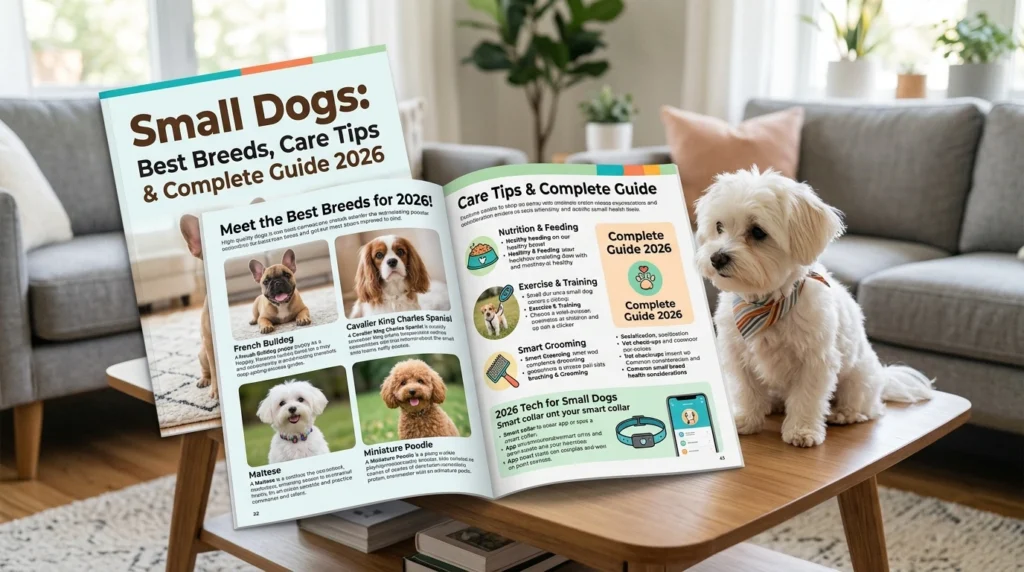
Best Small Dog Breeds You’ll Absolutely Love
Choosing the right breed is one of the most important decisions you’ll make. Therefore, let’s look at the most popular and lovable small dog breeds available today.
Top Small Dog Breeds at a Glance
| Breed | Weight | Temperament | Lifespan |
| Chihuahua | 2–6 lbs | Bold, loyal, alert | 12–20 years |
| Pomeranian | 3–7 lbs | Playful, curious, friendly | 12–16 years |
| Shih Tzu | 9–16 lbs | Gentle, affectionate, calm | 10–18 years |
| French Bulldog | 16–28 lbs | Adaptable, easygoing, fun | 10–12 years |
| Dachshund | 8–32 lbs | Curious, brave, stubborn | 12–16 years |
| Yorkshire Terrier | 4–7 lbs | Confident, feisty, loving | 11–15 years |
| Maltese | 4–7 lbs | Gentle, playful, sweet | 12–15 years |
| Cavalier King Charles | 12–18 lbs | Affectionate, patient, calm | 9–14 years |
Which Breed Is Right for You?
First, think about your lifestyle honestly. Are you active or more of a homebody? Do you have other pets? Also, consider how much grooming time you can realistically commit to each week.
For example, Maltese and Shih Tzus need regular grooming sessions. However, Chihuahuas and Dachshunds have much lower grooming needs. Therefore, your lifestyle should guide your breed choice more than appearance alone.
Pro Tip: Visit a local shelter before buying from a breeder. Many wonderful small dogs are waiting for loving homes. Adopting can be one of the most rewarding decisions you’ll ever make.
[Dog Breeds: The Complete Guide to Finding Your Perfect Match]
How to Care for Small Dogs: Step-by-Step Guide
Caring for small dogs properly makes a huge difference in their health and happiness. Here’s a simple, practical guide to get you started on the right foot.
Step 1 Feed Them the Right Food
Small dogs have faster metabolisms than large breeds. As a result, they need calorie-dense food in smaller portions. Always choose a dog food specifically formulated for small breeds.
Look for these things on the label:
- Named protein first chicken, beef, or salmon
- AAFCO complete and balanced statement on the packaging
- No artificial preservatives like BHA or BHT
- Small-sized kibble designed for tiny mouths
Feed small adult dogs two to three small meals per day rather than one large meal. This helps maintain stable blood sugar levels throughout the day.
Step 2 Exercise Them Daily
Don’t assume small dogs don’t need exercise. However, their exercise needs are different from large breeds. Most small dogs need around 30 minutes of activity daily split into two shorter walks.
Also, indoor play sessions count as exercise too. A game of fetch down a hallway or tug-of-war with a small toy works perfectly for rainy days.
Step 3 Prioritize Dental Care
Small dogs are extremely prone to dental disease. In fact, studies show that up to 80% of dogs show dental disease signs by age three and small breeds are hit hardest.
Therefore, brush your small dog’s teeth at least three times per week. Also, provide dental chews and schedule annual professional cleanings with your vet.
Socialization is crucial for small dogs. Without it, many develop “small dog syndrome” , excessive barking, snapping, and fearfulness. Therefore, expose your small dog to different people, sounds, and environments from a young age.
However, always keep early socialization positive and gentle. Forcing a fearful small dog into overwhelming situations can backfire quickly.
Step 5 Schedule Regular Vet Visits
Small dogs need regular veterinary check-ups just like larger breeds. Because of their size, health issues can escalate quickly if left undetected. Therefore, schedule wellness exams at least once a year twice yearly for senior small dogs.
Always consult your vet before making any significant changes to your small dog’s diet or health routine.
Common Mistakes Small Dog Owners Make
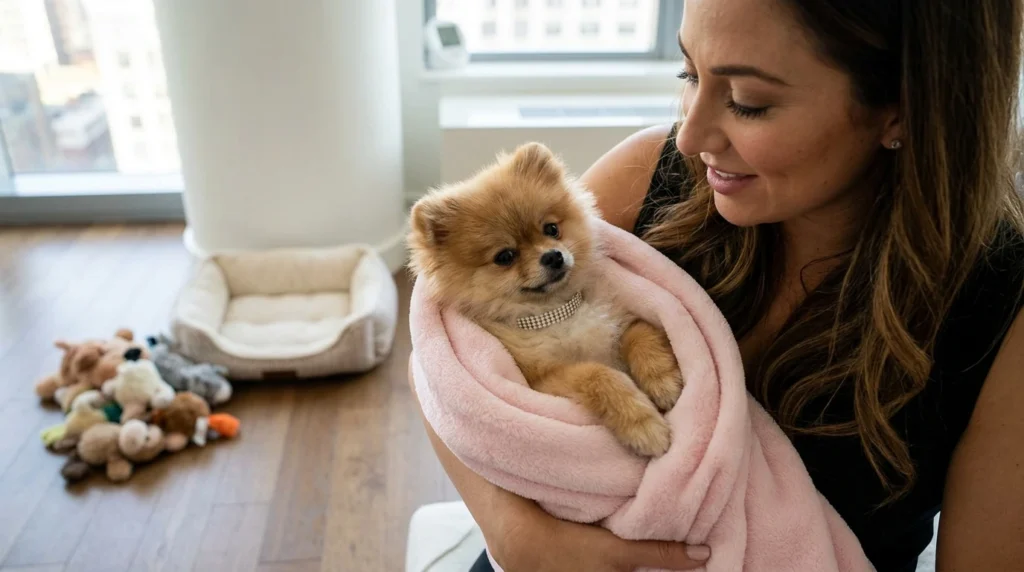
Even the most loving owners make mistakes. Here are the most common ones and how to avoid them easily.
Mistake 1 Skipping Training Because They’re Small
Many owners think training isn’t necessary for small dogs. However, this thinking creates real problems over time. An untrained small dog can be just as difficult and sometimes more stressful than an untrained large dog.
Therefore, start basic obedience training from day one. Use positive reinforcement consistently and small dogs respond beautifully to treats and praise.
Mistake 2 Overfeeding and Allowing Obesity
Small dogs gain weight very quickly. Even a small amount of extra food adds up fast on a tiny body. Obesity in small dogs leads to joint problems, heart disease, and a significantly shorter lifespan.
Therefore, measure every meal carefully. Also, limit treats to no more than 10% of daily caloric intake to keep weight in a healthy range.
Mistake 3 Carrying Them Everywhere
It’s tempting to carry small dogs constantly; they’re so easy to pick up. However, this actually limits their confidence and social development. Dogs that are carried everywhere often become anxious and fearful when placed on the ground.
Therefore, let your small dog walk on their own four paws as much as possible. Allow them to explore and interact with the world independently.
Mistake 4 Ignoring Cold Weather Needs
Small dogs lose body heat much faster than large breeds. As a result, they can become dangerously cold in winter weather very quickly. Therefore, invest in a well-fitting dog coat or sweater for cold days.
Also, limit outdoor time during extremely cold temperatures. Small dogs, especially short-coated breeds like Chihuahuas genuinely need that extra warmth.
Some small dog owners avoid dog parks because they fear their pet will get hurt. However, avoiding socialization entirely creates fearful, reactive dogs. Therefore, find supervised playgroups with other small dogs instead of avoiding interaction altogether.
Pro Tip: Use a harness instead of a collar for small dogs on walks. Collars can put dangerous pressure on small, delicate necks especially in breeds prone to tracheal collapse like Pomeranians and Yorkshire Terriers.
Small Dogs Health: What Every Owner Needs to Know
Common Health Issues in Small Breeds
Small dogs are generally healthy and long-lived. However, certain health conditions appear more frequently in small breeds. Knowing what to watch for helps you catch problems early.
Common health concerns include:
- Dental disease affects nearly all small breeds
- Patellar luxation kneecap slipping out of place
- Hypoglycemia low blood sugar, especially in toy breeds
- Tracheal collapse common in Chihuahuas, Pomeranians, Yorkies
- Heart disease especially in Cavalier King Charles Spaniels
- Intervertebral disc disease particularly common in Dachshunds
How to Keep Your Small Dog Healthy
First, maintain a healthy weight obesity worsens nearly every health condition. Also, provide regular dental care to prevent periodontal disease. In addition, schedule twice-yearly vet exams for early detection of any developing issues.
Always consult your veterinarian immediately if your small dog shows signs of pain, lethargy, loss of appetite, or any sudden behavior changes.
Frequently Asked Questions About Small Dogs
1. Are small dogs good for first-time owners?
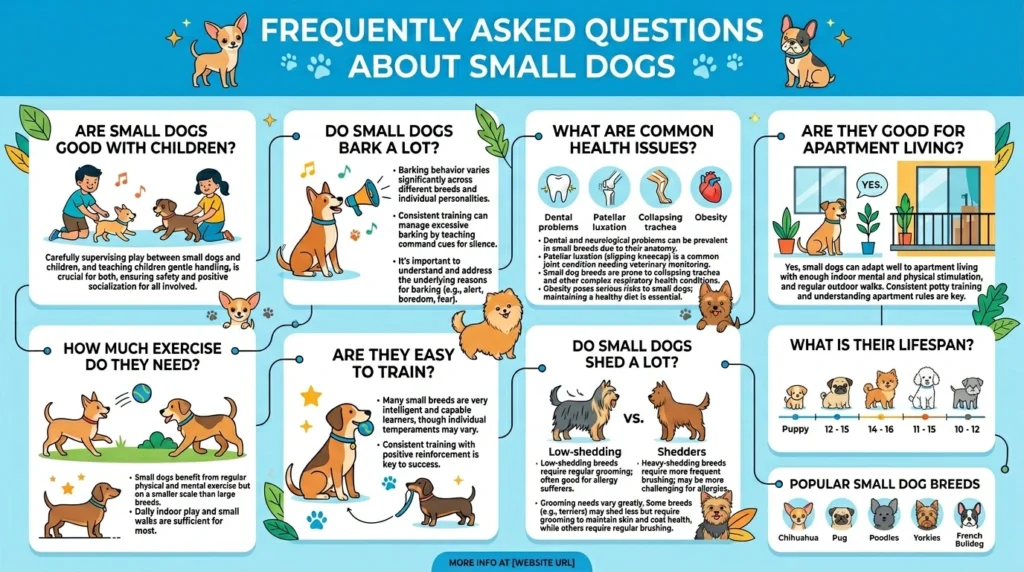
Yes, many small dog breeds are excellent choices for first-time owners. Breeds like Shih Tzus, Cavalier King Charles Spaniels, and Maltese are gentle, affectionate, and relatively easy to manage. However, breeds like Chihuahuas and Dachshunds can be more stubborn and may require a bit more patience. Therefore, research individual breed temperaments carefully before committing. In my experience, first-time owners do best with breeds known for being calm and people-oriented rather than highly independent or energetic breeds.
2. How much exercise do small dogs really need?
Most small dogs need around 30 minutes of moderate exercise daily. However, this varies by breed and individual energy level. For example, a Jack Russell Terrier needs considerably more activity than a Pekingese. Split exercise into two shorter sessions rather than one long walk. Also, remember that mental stimulation, puzzle toys, training sessions, sniff walks counts as exercise and tires small dogs out effectively.
3. What’s the best food for small dogs?
The best food for small dogs features a named protein as the first ingredient, is formulated specifically for small breeds, and carries an AAFCO complete and balanced statement. Brands like Purina Pro Plan Small Breed, Hill’s Science Diet Small Paws, and Royal Canin Small Adult consistently receive strong recommendations from veterinary professionals. Always choose food appropriate for your dog’s life stage puppy, adult, or senior. Also, consult your vet about portion sizes specific to your dog’s weight and activity level.
4. Do small dogs bark more than large dogs?
Some small breeds do tend to bark more than larger breeds Chihuahuas, Beagles, and Miniature Schnauzers are famously vocal. However, excessive barking is usually a training issue rather than a breed destiny. Therefore, address nuisance barking early with consistent positive reinforcement training. Teaching a “quiet” command from puppyhood works extremely well. In addition, ensuring your small dog gets enough exercise and mental stimulation reduces boredom-driven barking significantly.
5. How long do small dogs live?
Small dogs generally live longer than large breeds often between 12 and 16 years, with some individuals reaching 18 to 20 years. Chihuahuas and Toy Poodles are among the longest-lived breeds. However, lifespan depends heavily on genetics, diet, exercise, and preventive veterinary care. Therefore, maintaining a healthy weight, providing regular dental care, and scheduling routine vet visits significantly extends your small dog’s healthy years. In addition, providing mental enrichment and a low-stress environment contributes meaningfully to longevity.
6. Are small dogs good with children?
Many small dogs do well with older, gentle children. However, very young children can accidentally injure small dogs through rough handling. Therefore, always supervise interactions between toddlers and small dogs carefully. Breeds like Cavalier King Charles Spaniels, Pugs, and Beagles tend to be particularly patient and gentle with children. Also, teach children from an early age how to approach and handle small dogs respectfully to keep everyone safe and happy.
7. Do small dogs need special grooming?
Grooming needs vary significantly between small breed dogs. Long-coated breeds like Maltese, Shih Tzus, and Yorkshire Terriers require daily brushing and professional grooming every 6 to 8 weeks. However, short-coated breeds like Chihuahuas and French Bulldogs need very minimal grooming; a weekly brush and regular nail trims are usually sufficient. Regardless of coat type, all small dogs need regular ear cleaning and dental care. Therefore, factor grooming time and cost into your breed decision before bringing a small dog home.
Small Dogs Are Big on Love Here’s Your Next Step
Small dogs bring enormous joy, laughter, and companionship into everyday life. They’re adaptable, affectionate, and surprisingly resilient little creatures who fit beautifully into almost any lifestyle.
The key to a happy small dog is understanding their specific needs: proper nutrition, regular exercise, consistent training, dental care, and plenty of socialization. Also, regular vet visits keep small health issues from becoming big problems.
Whether you’re welcoming your first small dog or you’re a seasoned small breed owner looking to do better, the information in this guide gives you a strong, confident foundation. Start with one improvement today. Your small dog will thank you for it every single day.