Introduction
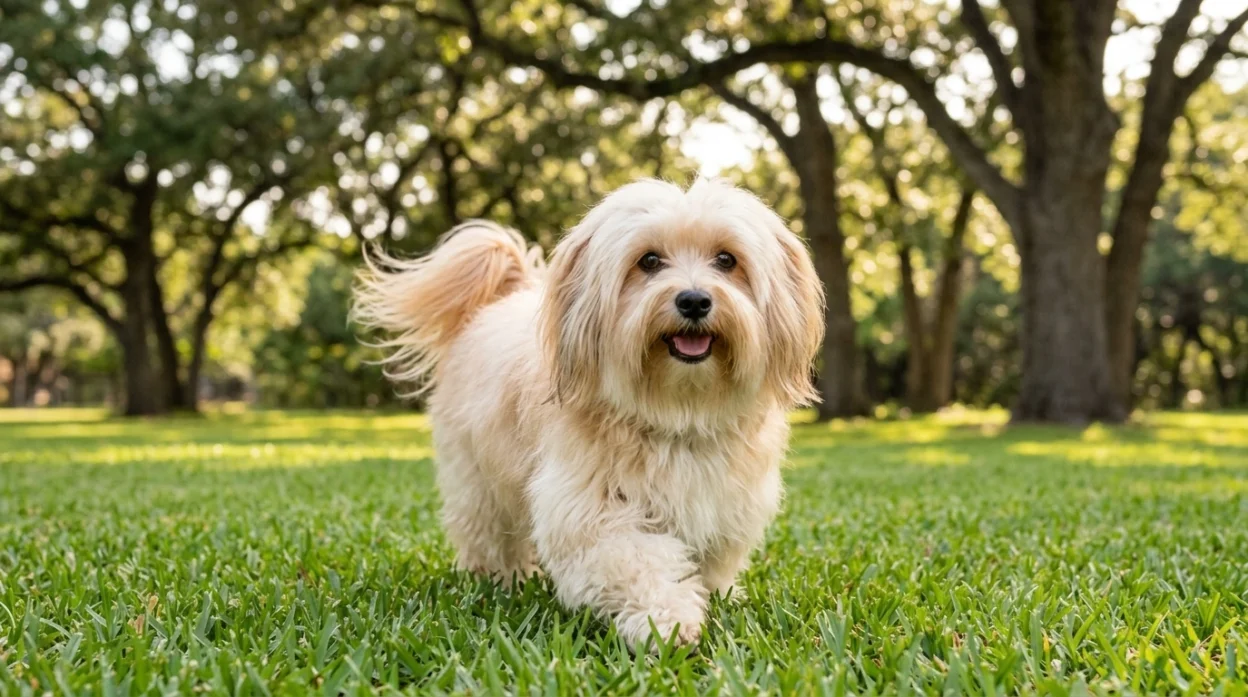
If you’ve ever met a Havanese dog, you already know the magic. These little dogs walk into a room and immediately own it, charming everyone with their silky coats, bright eyes, and irresistible personalities. But what exactly makes the Havanese so special?
The Havanese dog is Cuba’s national dog and one of the most beloved companion breeds in the world. They’re small, affectionate, highly social, and wonderfully adaptable. Whether you live in a tiny apartment or a spacious family home, the Havanese fits right in.
However, like every breed, they come with specific needs, quirks, and care requirements worth knowing before you bring one home. In my experience, the families who research first are always the happiest Havanese owners.
This complete guide covers everything you need: personality traits, grooming routines, health concerns, training tips, and honest answers to the questions most new owners ask. Let’s get into everything that makes the Havanese dog truly one of a kind.
What Is the Havanese Dog? Breed Overview and History
Cuba’s National Treasure
The Havanese dog has a fascinating history. This breed originated in Cuba, developed from dogs brought by Spanish settlers in the 1500s. Over centuries, Cuban aristocrats fell deeply in love with these charming little companions. As a result, the Havanese became a beloved fixture in wealthy Cuban households.
When Cuban exiles fled to the United States in the 1950s and 1960s, many brought their Havanese dogs with them. Because of this, the breed survived and eventually thrived in North America. The American Kennel Club officially recognized the Havanese in 1996, and their popularity has grown steadily ever since.
Key Breed Facts at a Glance
Here’s a quick overview of the Havanese dog’s essential characteristics:
- Breed group: Toy Group
- Height: 8.5 to 11.5 inches
- Weight: 7 to 13 pounds
- Lifespan: 14 to 16 years
- Coat: Long, silky, wavy or curly
- Colors: Wide variety including white, black, chocolate, cream, blue, and parti-color
- Temperament: Friendly, gentle, intelligent, playful
- Hypoallergenic: Yes low shedding
- Good with kids: Yes excellent with gentle children
- Good with other pets: Yes generally very sociable
Havanese Dog Personality and Temperament
What Makes the Havanese Personality So Special?
The Havanese dog personality is genuinely one of the breed’s greatest strengths. These dogs are social butterflies. They love everyone, family members, strangers, children, and other animals. In my experience, it’s rare to meet a Havanese with a mean bone in its body.
However, this sociable nature does come with one important caveat. The Havanese form extremely strong bonds with their families. Therefore, they don’t cope well with being left alone for long periods. Separation anxiety is a real concern with this breed, something worth planning for before you bring one home.
Personality Traits You’ll Love
Here’s what makes Havanese dogs so endearing:
- Playful and fun they retain a puppy-like energy well into adulthood
- Highly responsive they pick up on your emotions quickly and mirror your mood
- Gentle and patient excellent with young children and elderly family members
- Smart and curious they love learning new things and solving problems
- Velcro dogs they follow their owners everywhere, earning the nickname “Velcro dogs”
- Low aggression rarely aggressive toward people or other animals
Are Havanese Dogs Good With Kids?
Yes, the Havanese dog is genuinely wonderful with children. They’re gentle enough for young kids and playful enough for older ones. However, because of their small size, always supervise interactions with very young toddlers. A 10-pound dog can get accidentally hurt during rough play.
Teaching children to handle small dogs gently is just as important as the dog’s temperament. Therefore, supervise early interactions and set clear boundaries for both the dog and the children.
How to Care for Your Havanese Dog: Step-by-Step Guide
Daily and Weekly Care Essentials
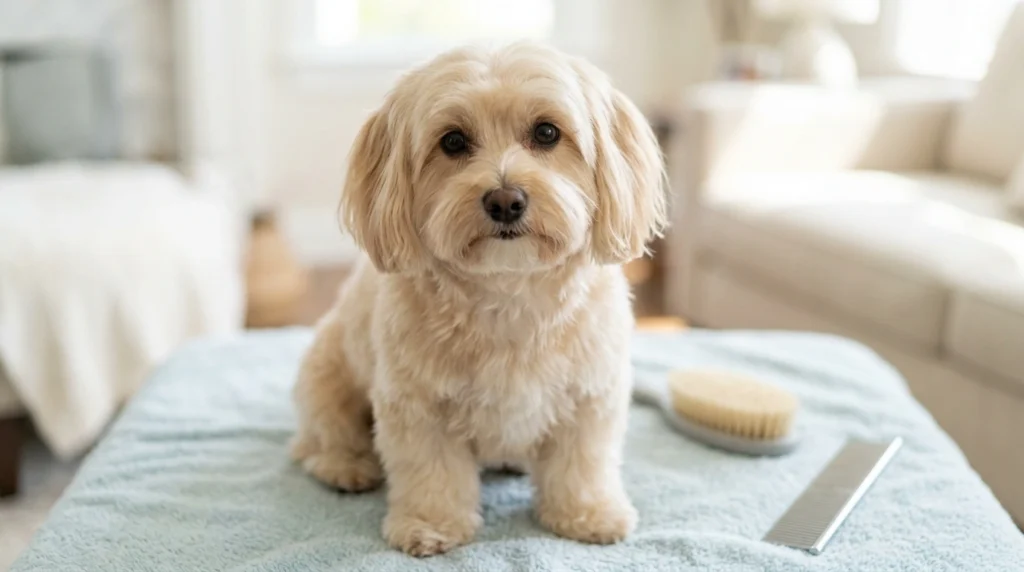
Caring for a Havanese dog involves several consistent routines. Here’s a numbered guide to keep your Havanese healthy and happy:
- Brush the coat daily. The Havanese’s long, silky coat tangles easily. Therefore, daily brushing prevents mats and keeps the coat looking beautiful. Use a slicker brush and detangling spray for best results.
- Bathe every 2 to 3 weeks. Regular baths keep their white or light coats clean and fresh. Also, use a dog-specific shampoo that’s gentle on their sensitive skin.
- Clean the eye area daily. Havanese dogs are prone to tear staining dark marks under the eyes. As a result, gently wipe the eye area with a damp soft cloth every day to prevent staining.
- Trim nails every 3 to 4 weeks. Overgrown nails cause discomfort and can affect your dog’s gait. Therefore, regular trimming is essential and ask your vet or groomer to show you the correct technique.
- Clean ears weekly. Havanese dogs have floppy ears that trap moisture. Because of this, they’re prone to ear infections. Check ears weekly and clean gently with a vet-approved ear cleaner.
- Brush teeth 3 to 4 times per week. Small breeds are especially prone to dental disease. Therefore, regular teeth brushing is one of the most important health habits you can build early.
- Schedule vet check-ups twice yearly. Because the Havanese has specific health vulnerabilities, bi-annual vet visits catch potential issues early. Always consult your vet about any changes in behavior, appetite, or energy levels.
Exercise Needs How Much Is Enough?
The Havanese dog has moderate exercise needs. They’re not couch potatoes but they’re not marathon runners either. Here’s what works well:
- Daily walks: Two 20-minute walks per day satisfy most Havanese dogs
- Indoor play: Active indoor play sessions count as exercise for this small breed
- Mental stimulation: Puzzle toys and training sessions tire them out just as effectively as physical exercise
- Off-leash play: A secure garden or small yard gives them space to run freely
Because of their small size, the Havanese adapts perfectly to apartment living. However, daily outdoor time remains important for mental stimulation and socialization.
Pro Tip: Enroll your Havanese in puppy agility classes. They genuinely love the mental challenge, and it’s one of the best activities for building confidence especially in shy puppies. In my experience, even naturally confident Havanese become noticeably more well-rounded after agility training.
Havanese Dog Health: What Every Owner Should Know
Common Health Issues in the Havanese Dog
The Havanese is generally a healthy breed with a long lifespan of 14 to 16 years. However, like all breeds, they’re predisposed to certain conditions. Therefore, knowing what to watch for helps you act quickly if something changes.
Common health concerns include:
| Health Issue | Description | Prevention/Management |
| Patellar Luxation | Kneecap slips out of position | Regular vet check-ups; maintain healthy weight |
| Hip Dysplasia | Hip joint develops abnormally | Responsible breeding; appropriate exercise |
| Progressive Retinal Atrophy | Gradual vision loss | Annual eye exams; DNA testing of parents |
| Cataracts | Clouding of the eye lens | Regular eye exams; consult vet if vision changes |
| Chondrodysplasia | Abnormal bone growth | Genetic testing; responsible breeding practices |
| Cardiac Issues | Heart murmurs in older dogs | Regular cardiac screening after age 5 |
| Dental Disease | Plaque buildup and tooth loss | Daily brushing; professional dental cleanings |
Keeping Your Havanese Healthy Long-Term
Several habits make a significant difference in your Havanese dog’s long-term health:
- Maintain a healthy weight obesity worsens joint conditions significantly
- Feed high-quality small breed food small breeds have specific nutritional needs
- Schedule bi-annual vet visits early detection saves lives
- Keep vaccinations current core vaccines protect against serious diseases
- Use parasite prevention year-round flea, tick, and heartworm prevention matters
Always consult your vet before starting any new supplement, changing your dog’s diet, or if you notice any behavioral or physical changes. Your vet is your most valuable partner in your Havanese’s health journey.
Training Your Havanese Dog: Tips for Success

Are Havanese Dogs Easy to Train?
Yes, the Havanese dog is highly trainable. They’re intelligent, eager to please, and respond beautifully to positive reinforcement. However, they can be sensitive. Therefore, harsh corrections or punishment-based training backfire badly with this breed.
Effective Training Approaches for Havanese Dogs
Here are the methods that work best:
- Positive reinforcement always use treats, praise, and play as rewards
- Short training sessions 5 to 10 minutes maximum keeps their attention focused
- Consistency matters most use the same commands every time
- Start young begin basic obedience training from 8 weeks old
- Socialize early and often expose puppies to different people, sounds, and environments
Addressing Separation Anxiety
Because the Havanese bonds so deeply with their family, separation anxiety is genuinely common. Therefore, training your Havanese to be comfortable alone starts from day one.
Here’s how to build independence gradually:
- Start with very short absences even just 5 minutes
- Gradually increase the time away without making arrivals or departures emotional
- Provide puzzle toys and long-lasting chews to keep them occupied
- Consider crate training many Havanese find crates comforting when introduced positively
- Consult a professional trainer or your vet if anxiety is severe
Pro Tip: Never sneak out when leaving the house this actually increases anxiety. Instead, give your Havanese a special treat or toy when you leave, creating a positive association with your departure. This simple change makes a surprisingly big difference.
Grooming Your Havanese Dog: Full Routine Breakdown
The Two Grooming Options Every Owner Faces
The Havanese dog’s gorgeous coat comes with a choice every owner eventually makes. You either maintain the full long coat which is stunning but requires daily brushing or you keep your dog in a puppy cut short, easy to manage, and adorable.
Both options look wonderful. However, the puppy cut dramatically reduces grooming time. Therefore, many busy families choose shorter cuts for practical reasons without sacrificing their dog’s good looks.
Professional Grooming Schedule
Regardless of coat length, professional grooming keeps your Havanese looking and feeling their best:
- Full long coat: Professional grooming every 6 to 8 weeks
- Puppy cut: Professional grooming every 6 to 8 weeks
- Between appointments: Daily home brushing for long coats; weekly brushing for short cuts
Because grooming costs add up over a 14-to-16-year lifespan, learning basic home grooming skills genuinely saves money. Also, regular home grooming sessions strengthen your bond with your dog which both of you will come to love.
Frequently Asked Questions About the Havanese Dog
1. Is a Havanese dog a good pet for first-time owners?
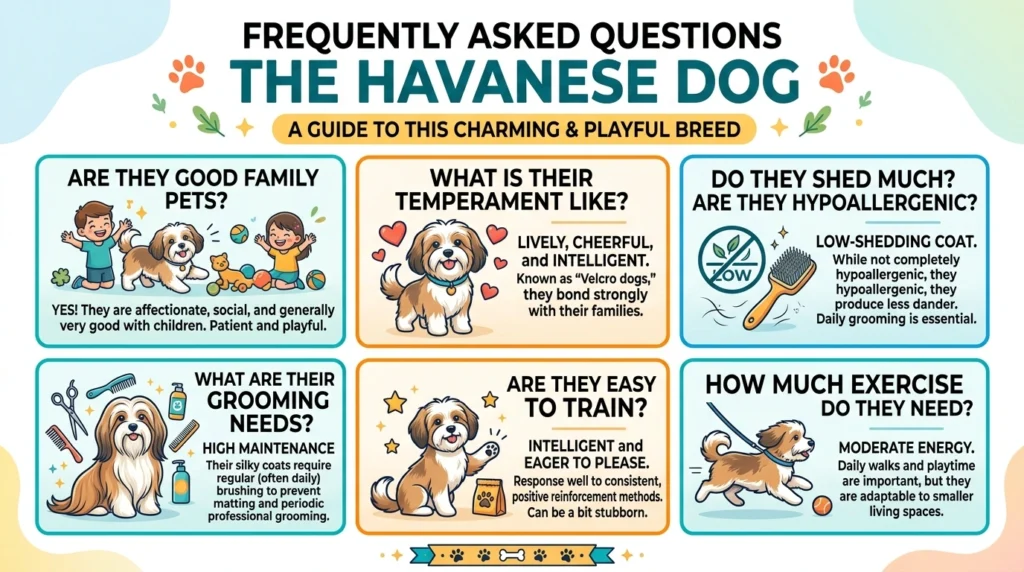
Yes, the Havanese dog is one of the best breeds for first-time dog owners. They’re gentle, trainable, and forgiving of beginner mistakes. Also, their moderate exercise needs make them manageable for owners with busy schedules. However, their grooming requirements are significant therefore, first-time owners should budget for regular professional grooming or commit to learning home grooming techniques early.
2. Do Havanese dogs bark a lot?
The Havanese dog is moderately vocal. They’ll alert you to visitors or unusual sounds but they’re not excessive barkers by nature. However, bored or under-stimulated Havanese dogs can develop nuisance barking habits. Therefore, adequate daily exercise and mental stimulation are the most effective prevention. Training a “quiet” command from puppyhood also helps manage barking effectively.
3. Are Havanese dogs truly hypoallergenic?
The Havanese dog is considered a low-shedding, hypoallergenic breed making them popular with allergy sufferers. However, no dog is 100% allergen-free. All dogs produce dander, saliva, and urine proteins that trigger allergies in sensitive people. Therefore, if you have allergies, spend time with a Havanese before committing to ownership. Also, consult your doctor about allergy management strategies to determine whether a Havanese is genuinely suitable for your household.
4. How long do Havanese dogs live?
The Havanese dog enjoys one of the longer lifespans in the canine world, typically 14 to 16 years with good care. Some Havanese dogs live even longer. Therefore, bringing a Havanese home is a long-term commitment that spans well over a decade. Regular vet check-ups, a quality diet, appropriate exercise, and dental care all contribute to maximizing your dog’s healthy years. As always, consult your vet for personalized health guidance specific to your dog.
5. How much does a Havanese puppy cost?
Havanese puppies from reputable breeders typically cost between $1,000 and $2,500 in the United States. However, prices vary based on location, breeder reputation, coat color, and lineage. Also, factor in initial costs beyond the purchase price vaccinations, spaying or neutering, microchipping, initial supplies, and the first vet visit all add up. Therefore, budget realistically for the first year, which often totals $2,000 to $4,000 beyond the puppy price. Adopting from a Havanese rescue organization is also a wonderful alternative that significantly reduces upfront costs.
6. Can Havanese dogs be left alone during the day?
The Havanese dog doesn’t handle long periods alone well. Because they bond so deeply with their families, most Havanese struggle significantly if left alone for 8+ hours daily. Therefore, they best suit families where someone is home most of the day, households with multiple pets for company, or owners who can arrange dog walkers or doggy daycare. If your lifestyle involves long work hours alone, a Havanese may not be the right fit and choosing a more independent breed would be kinder to the dog.
7. Do Havanese dogs get along with other pets?
Yes, the Havanese dog is exceptionally sociable with other animals. They typically get along well with other dogs, cats, and even smaller pets when properly introduced. Because of their gentle nature and low prey drive, multi-pet households suit the Havanese beautifully. However, always introduce new animals gradually and in neutral spaces. Supervised early interactions build positive relationships that last the dog’s entire lifetime.
The Havanese Dog Might Be Your Perfect Match
The Havanese dog is genuinely one of the most joyful, loving, and adaptable breeds in the world. Their gentle nature makes them wonderful with children. Their intelligence makes training rewarding. Their low-shedding coat makes them a practical choice for allergy-prone families. Also, their long lifespan means you’re investing in a companion who’ll be by your side for potentially 16 wonderful years.
However, they need consistent grooming, daily companionship, and mental stimulation to truly thrive. Therefore, they suit owners who can genuinely commit to their social and physical needs.
If that sounds like you, a Havanese dog will reward your commitment with unconditional love, endless entertainment, and the kind of loyal companionship that genuinely enriches daily life.