
Introduction
Your dog can’t tell you when something hurts. That’s the hardest part of being a dog owner, isn’t it? One day they seem perfectly fine. The next day, they’re lethargic, not eating, or limping and you have no idea why.
Dogs health issues are more common than most people realize. In fact, studies show that over 60% of dogs will experience a significant health problem at some point in their lives. However, the good news is that catching problems early makes a huge difference.
In my experience, dog owners who know the warning signs act faster and their dogs recover better. Therefore, this guide is designed to help you understand the most common health problems in dogs. You’ll learn what to look for, what causes these issues, and what steps to take right away.
Let’s make sure your dog gets the care they deserve.
Common Dogs Health Issues You Should Know About
Why Health Awareness Matters for Dog Owners
As a dog owner, you are your pet’s first line of defense. Therefore, understanding common dogs’ health issues gives you the power to act before things get serious. Many conditions are highly treatable but only when caught early.
Here are the most frequently reported health problems in dogs today:
Skin Problems and Allergies
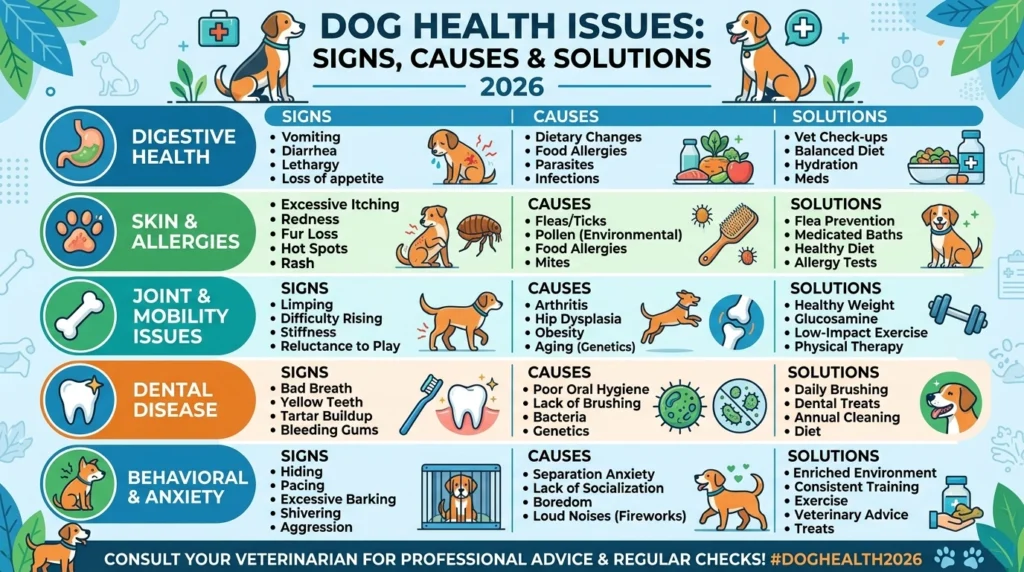
Skin issues are among the most common dogs health issues seen by vets worldwide. Your dog may scratch constantly, develop red patches, or lose patches of fur. These symptoms often point to:
- Environmental allergies pollen, grass, or dust
- Food allergies often triggered by chicken, beef, or wheat
- Parasites fleas, mites, or mange
- Fungal or bacterial infections ringworm, hot spots
However, not all scratching means allergies. Sometimes dry skin from low humidity causes the same symptoms. If your dog scratches persistently for more than a week, consult your vet immediately.
Digestive Problems
Digestive issues affect dogs of all ages and breeds. In addition, they’re often one of the first visible signs that something is wrong internally. Common digestive health issues in dogs include:
- Vomiting and diarrhea
- Bloating or gas
- Loss of appetite
- Weight loss without explanation
Therefore, always monitor your dog’s eating habits closely. A dog that suddenly refuses food for more than 24 hours needs veterinary attention.
Joint and Mobility Issues
Large breed dogs especially suffer from joint problems as they age. However, even younger dogs can develop joint issues due to injury or genetics. Arthritis is one of the leading dog health issues affecting senior dogs worldwide.
Watch for these signs:
- Difficulty standing up after rest
- Limping or favoring one leg
- Reluctance to climb stairs or jump
- Stiffness after exercise
How to Spot Dogs Health Issues Early: Step-by-Step Guide

The Importance of Early Detection
Catching a problem early can literally save your dog’s life. Therefore, building a simple weekly health check routine is one of the smartest things you can do as an owner.
Here’s exactly how to check your dog at home:
- Check the eyes. Healthy dog eyes are clear and bright. Redness, cloudiness, or discharge can signal infection or injury. Also, excessive tearing is worth noting.
- Examine the ears. Gently look inside both ears. Healthy ears are pale pink and odor-free. Dark discharge, redness, or a yeasty smell means a possible infection.
- Look at the coat and skin. Run your hands through the fur. Feel for lumps, bumps, or bald patches. Also, check for fleas by looking for tiny dark specks near the skin.
- Check the teeth and gums. Healthy gums are pink and moist. Pale, white, or yellow gums can indicate serious health problems. Bad breath beyond normal dog breath is also a warning sign.
- Watch the breathing. Healthy dogs breathe quietly at rest. Therefore, labored breathing, wheezing, or coughing at rest needs immediate veterinary attention.
- Monitor weight and appetite. Weigh your dog monthly. Sudden weight loss or gain without a diet change can signal thyroid issues, diabetes, or other conditions.
- Observe behavior and energy levels. A dog that suddenly becomes withdrawn, stops playing, or sleeps excessively may be in pain or discomfort. Because dogs hide pain naturally, behavioral changes are often the only early clue.
Pro Tip: Keep a simple monthly health log for your dog, note their weight, appetite, energy, and any unusual behaviors. This record is incredibly helpful when you visit the vet, because patterns you might forget are all documented clearly.
Most Serious Dogs Health Issues: Comparison and Warning Signs
Conditions That Need Immediate Attention
Some dogs’ health issues are urgent emergencies. Others develop slowly over time. Knowing the difference can save your dog’s life. Here’s a clear comparison:
| Health Issue | Warning Signs | Urgency Level | Action Required |
| Bloat (GDV) | Swollen belly, retching, restlessness | 🔴 Emergency | Vet immediately |
| Parvovirus | Bloody diarrhea, vomiting, lethargy | 🔴 Emergency | Vet immediately |
| Diabetes | Increased thirst, frequent urination | 🟡 Urgent | Vet within 24 hours |
| Arthritis | Stiffness, limping, reluctance to move | 🟢 Monitor | Vet appointment |
| Skin Allergies | Scratching, red skin, fur loss | 🟢 Monitor | Vet appointment |
| Dental Disease | Bad breath, difficulty eating | 🟡 Urgent | Vet within 1 week |
| Obesity | Visible weight gain, low energy | 🟢 Monitor | Diet + vet advice |
| Ear Infection | Head shaking, dark discharge, smell | 🟡 Urgent | Vet within 24 hours |
Understanding the Most Dangerous Conditions
Bloat (Gastric Dilatation-Volvulus) is one of the most life-threatening dogs health issues. It happens when the stomach fills with gas and twists on itself. As a result, blood supply is cut off. Large, deep-chested breeds like Great Danes and German Shepherds are most at risk. Therefore, if your dog has a visibly swollen belly and can’t settle, go to the emergency vet right away.
Parvovirus is highly contagious and extremely dangerous for unvaccinated dogs. However, it’s also largely preventable through vaccination. Puppies are most vulnerable. Because parvovirus spreads through contaminated environments, keeping vaccinations current is your best protection.
[Dog Joint Health: Causes, Symptoms and Complete Care]
Chronic Conditions Worth Monitoring
Many dogs’ health issues develop gradually over months or years. Therefore, regular vet check-ups are essential even when your dog seems perfectly healthy.
Common chronic conditions include:
- Hypothyroidism causes weight gain, lethargy, and skin problems
- Cushing’s Disease causes excessive thirst, pot-bellied appearance, hair loss
- Kidney Disease causes increased drinking, weight loss, and vomiting
- Heart Disease causes coughing, fatigue, and difficulty breathing
In addition, annual bloodwork is one of the best investments you can make for your dog’s long-term health.
Mistakes Dog Owners Make That Worsen Health Issues
Common Errors to Avoid
Even the most loving dog owners make mistakes. However, knowing these pitfalls helps you avoid them completely.
Waiting Too Long to See a Vet
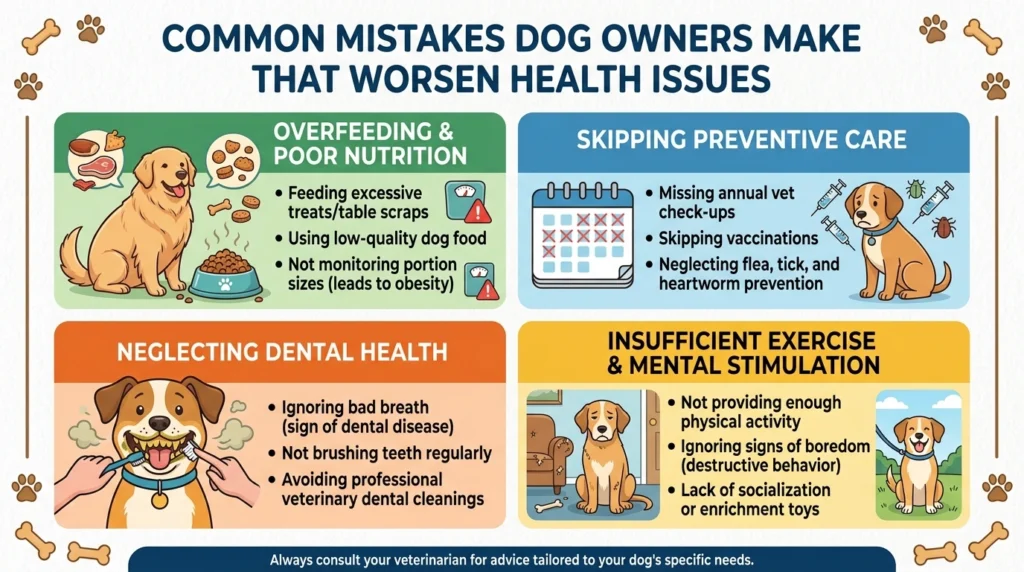
This is probably the most common mistake. Many owners hope the problem will resolve on its own. As a result, treatable conditions become serious emergencies. Therefore, if your dog shows any concerning symptoms for more than 24 to 48 hours call your vet. Don’t wait and see.
Giving Human Medications to Dogs
This one is genuinely dangerous. Many human medications are toxic to dogs. For example, ibuprofen and acetaminophen (paracetamol) can cause kidney failure and liver damage in dogs. Always consult your vet before giving any medication, even over-the-counter products.
Ignoring Dental Health
Dental disease affects over 80% of dogs by age three. However, most owners never brush their dog’s teeth. As a result, bacteria from infected gums enter the bloodstream and damage the heart, kidneys, and liver over time. Therefore, brushing your dog’s teeth three times a week or providing dental chews makes a real difference.
Skipping Annual Vet Check-Ups
Many dogs’ health issues have no visible symptoms in early stages. Therefore, annual wellness exams allow vets to catch problems through bloodwork and physical examination before they become serious. Think of it as preventive maintenance for your most loyal companion.
Overfeeding and Ignoring Weight
Obesity is one of the most overlooked dog health issues today. However, it directly contributes to diabetes, joint disease, heart problems, and shortened lifespan. Because many owners use food as love, it’s easy to overfeed without realizing it. Ask your vet for a specific daily calorie target for your dog’s age, weight, and activity level.
Pro Tip: Use your hands to feel your dog’s ribs monthly. You should be able to feel them easily without pressing hard but not see them prominently. If you can’t feel the ribs at all, your dog is likely overweight. This simple check takes five seconds and tells you a lot.
Frequently Asked Questions About Dogs Health Issues
1. What are the most common dog health issues by age?
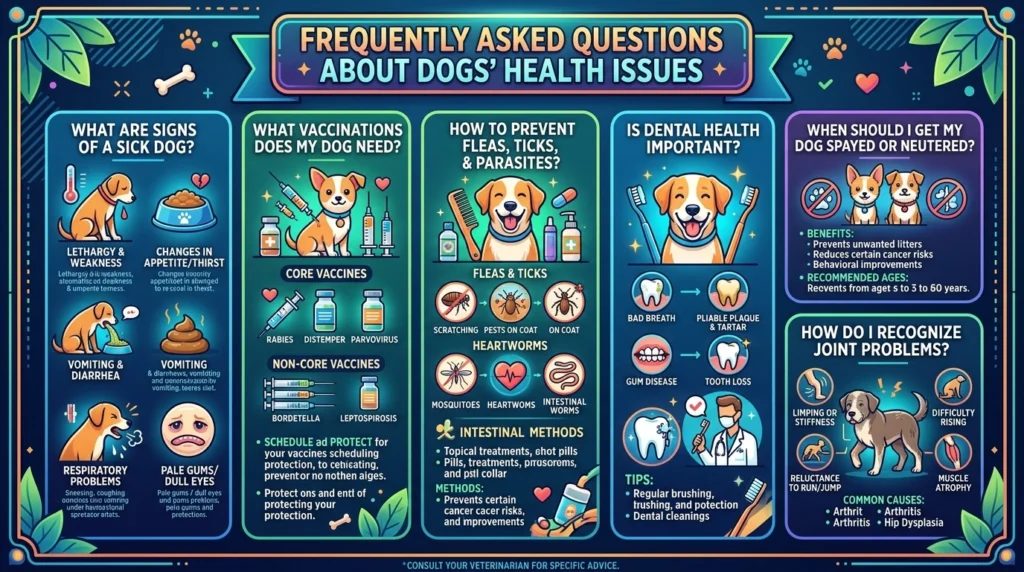
Puppies are most vulnerable to parvovirus, distemper, parasites, and digestive issues. Adult dogs commonly experience allergies, dental disease, and ear infections. Senior dogs, however, are most affected by arthritis, kidney disease, heart disease, and cancer. Therefore, adjusting your health monitoring approach as your dog ages is really important. Annual vet visits become even more critical from age seven onward.
2. How do I know if my dog is in pain?
Dogs hide pain instinctively; it’s a survival behavior from their wild ancestors. However, there are clear signs to watch for. These include: whimpering or vocalizing when touched, reluctance to move or exercise, changes in posture (hunching), excessive licking of a specific body area, loss of appetite, and behavioral changes like aggression or withdrawal. Because pain signs are often subtle, any behavioral change that lasts more than 24 hours deserves a vet call. Always consult your vet rather than guessing.
3. Can dogs’ health issues be prevented through diet?
Diet plays a significant role in preventing many common dogs’ health issues. A high-quality, species-appropriate diet supports immune function, maintains healthy weight, and reduces inflammation throughout the body. Therefore, feeding a vet-recommended food appropriate for your dog’s life stage is one of the most important preventive steps you can take. In addition, avoiding table scraps, toxic foods (like grapes, onions, and chocolate), and excessive treats significantly reduces health risks over time.
4. How often should I take my dog to the vet for check-ups?
Healthy adult dogs benefit from one annual wellness exam per year. Puppies, however, need more frequent visits typically every three to four weeks until four months old for vaccinations and developmental checks. Senior dogs (seven years and older for most breeds) benefit from twice-yearly check-ups because health changes happen more rapidly as dogs age. In addition, any time you notice concerning symptoms don’t wait for the scheduled appointment. Call your vet right away.
5. What vaccinations protect against serious dogs’ health issues?
Core vaccinations that every dog should receive include protection against rabies, distemper, parvovirus, and adenovirus (hepatitis). These prevent some of the most dangerous and contagious dogs’ health issues. In addition, depending on your dog’s lifestyle and location, your vet may recommend non-core vaccines for leptospirosis, Lyme disease, bordetella (kennel cough), and influenza. Therefore, keeping your dog’s vaccination schedule current is genuinely one of the most effective preventive health steps available.
6. Are certain dog breeds more prone to health issues?
Yes, breed genetics play a significant role in health predispositions. For example, Bulldogs and Pugs commonly experience breathing problems due to their flat faces. German Shepherds and Labradors are prone to hip dysplasia and joint issues. Dachshunds have elevated risk for spinal problems. Golden Retrievers, however, have higher rates of certain cancers compared to other breeds. Therefore, knowing your breed’s specific health vulnerabilities helps you monitor for early signs and take preventive action proactively.
7. When should I consider pet insurance for dogs’ health issues?
Pet insurance is worth considering as early as possible ideally when your dog is young and healthy. As a result, pre-existing conditions won’t be excluded from coverage. Veterinary treatment for serious dogs’ health issues can cost thousands of dollars. Therefore, insurance gives you the financial freedom to pursue the best available treatment without compromise. Research multiple providers, compare coverage for chronic conditions, and read the fine print carefully before committing to any policy.
Protecting Your Dog Starts With You
Understanding dogs’ health issues is one of the most loving things you can do for your pet. You don’t need to be a veterinarian to spot early warning signs. You just need to know what to look for and act on it quickly.
Build a simple weekly health check routine. Keep vaccinations current. Feed a quality diet. Maintain a healthy weight. And most importantly never wait too long when something seems wrong. Your vet is your partner in your dog’s health, not a last resort.
Because your dog gives you everything they have every single day they deserve the same commitment in return.