Introduction
Few dogs in the world are as impressive as a sheep dog working a flock. Watching one move with speed, precision, and intelligence is genuinely breathtaking. These dogs don’t just herd, they think, anticipate, and communicate with their handler in ways that feel almost magical.
But sheep dogs aren’t just for farms anymore. Many families around the world choose herding breeds as beloved pets. However, these dogs come with specific needs that not every owner fully understands before bringing one home.
That’s exactly what this guide covers. Whether you’re a farmer looking for a working partner, a dog enthusiast curious about herding breeds, or a family considering one of these remarkable dogs as a pet you’re in the right place.
In my experience, sheep dogs are some of the most rewarding dogs you’ll ever own. They’re loyal, brilliant, and endlessly energetic. Therefore, understanding what they need is the key to a genuinely happy life together. Let’s explore everything you need to know.
What Is a Sheep Dog? Understanding This Remarkable Working Dog
The Origins of the Sheep Dog
A sheep dog is a dog bred and trained to herd and protect livestock primarily sheep. However, the term covers a wide range of breeds from different countries and traditions. Some sheep dogs herd by chasing and directing. Others guard by living with the flock and protecting them from predators.
The history of sheep dogs goes back thousands of years. Ancient civilizations in the Middle East, Europe, and Asia all developed their own herding dog traditions. As a result, today’s sheep dog breeds reflect enormous variety in appearance, size, and working style.
Two Main Types of Sheep Dogs
First, it’s important to understand that “sheep dog” actually describes two distinct types:
1. Herding Sheep Dogs These dogs actively move livestock by using eye contact, body pressure, and controlled movement. They work closely with human handlers. For example:
- Border Collie
- Australian Shepherd
- Shetland Sheepdog (Sheltie)
- Bearded Collie
2. Livestock Guardian Dogs (LGDs) These dogs live with the flock and protect sheep from predators like wolves, coyotes, and foxes. They work more independently. For example:
- Great Pyrenees
- Anatolian Shepherd
- Kangal
- Maremma Sheepdog
Understanding which type suits your needs is the essential first step. Therefore, let’s look at both in more detail.
Top Sheep Dog Breeds: Which One Is Right for You?
The Most Popular Herding Sheep Dog Breeds
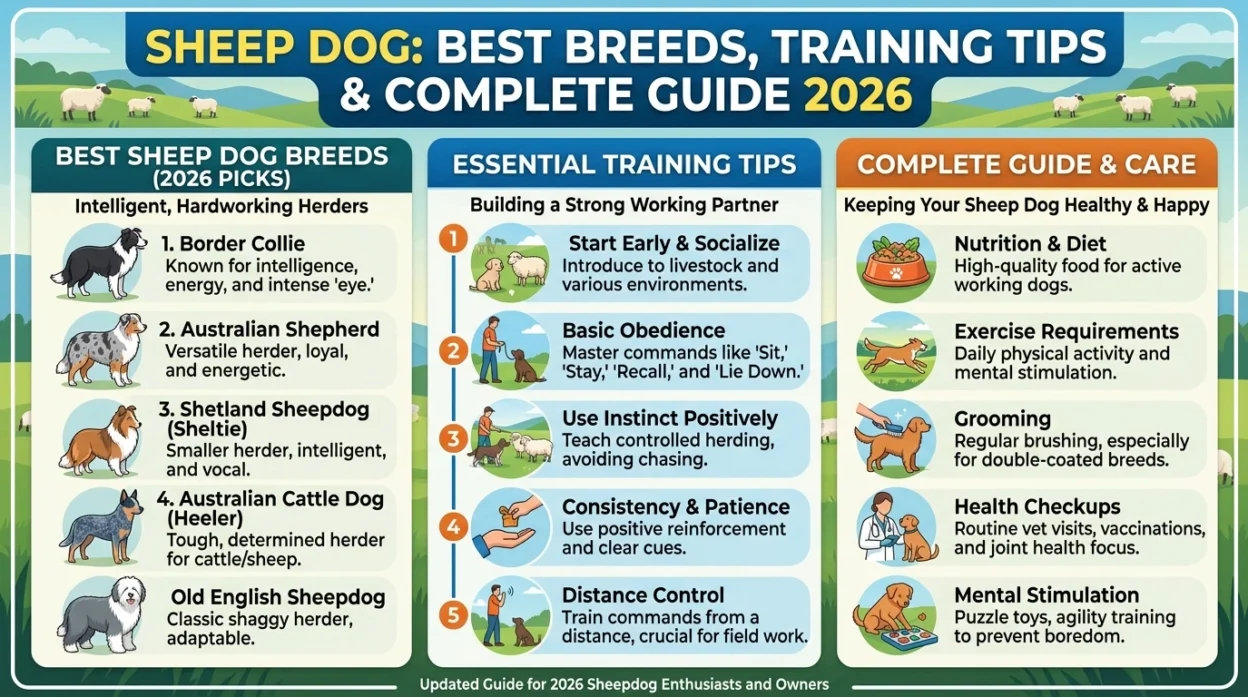
Border Collie The Ultimate Working Sheep Dog
The Border Collie is widely considered the most intelligent dog breed in the world. Originally developed along the Anglo-Scottish border, this dog uses a legendary “eye”, an intense stare to control sheep without physical contact.
Key facts:
- Size: 30–55 pounds
- Energy level: Extremely high
- Intelligence: Off the charts
- Best for: Active owners, farms, competitive dog sports
However, the Border Collie’s intelligence is a double-edged sword. Without enough mental and physical stimulation, they become destructive and anxious. Therefore, this breed needs a job whether that’s herding, agility, or intensive training.
Australian Shepherd Versatile and Devoted
Despite the name, the Australian Shepherd was actually developed in the American West. Ranchers prized these dogs for their incredible versatility; they could herd cattle, sheep, and poultry with equal skill.
Key facts:
- Size: 40–65 pounds
- Energy level: Very high
- Intelligence: Excellent
- Best for: Active families, outdoor enthusiasts, farms
Australian Shepherds are deeply loyal and form strong bonds with their families. Also, they thrive in dog sports like frisbee, agility, and obedience competitions. However, they need significant daily exercise. A short walk simply won’t cut it.
Shetland Sheepdog (Sheltie) Small But Mighty
The Shetland Sheepdog looks like a miniature Rough Collie. However, don’t let the size fool you. Shelties are hard-working, highly intelligent, and exceptionally responsive to training.
Key facts:
- Size: 15–25 pounds
- Energy level: High
- Intelligence: Excellent
- Best for: Families, smaller homes, active owners
Shelties are wonderful family dogs. In addition, they excel at obedience trials and are among the easiest sheep dog breeds to train. Because of their smaller size, they adapt better to suburban living than Border Collies or Australian Shepherds.
Livestock Guardian Sheep Dogs: The Flock Protectors
Great Pyrenees Majestic Mountain Guardian
The Great Pyrenees is a large, white, fluffy dog with a calm and confident temperament. Originally from the Pyrenean mountains between France and Spain, these dogs protected sheep from bears and wolves for centuries.
Key facts:
- Size: 85–115+ pounds
- Energy level: Moderate
- Temperament: Calm, independent, protective
- Best for: Farms with predator pressure, rural properties
Great Pyrenees dogs are nocturnal workers; they’re most alert and active at night, when predators are most likely to strike. As a result, they tend to bark more at night. Therefore, rural or farm settings suit them far better than suburban neighborhoods.
Kangal Turkey’s Powerful Guardian
The Kangal is one of the most powerful livestock guardian dogs in the world. Turkish shepherds developed this breed over centuries to protect flocks from wolves, bears, and even leopards.
Key facts:
- Size: 90–145 pounds
- Energy level: Moderate
- Temperament: Calm, loyal, courageous
- Best for: Large properties, experienced owners, working farms
The Kangal is not a pet for inexperienced owners. However, in the right environment with an experienced handler, these dogs are extraordinarily effective flock guardians.
Pro Tip: If you want a sheep dog purely as a family pet rather than a working dog, choose a Shetland Sheepdog or a well-bred Australian Shepherd. Both retain the intelligence and loyalty of herding breeds while adapting more comfortably to family life. Always consult your vet about breed-specific health needs before choosing.
How to Train a Sheep Dog: Step-by-Step Guide
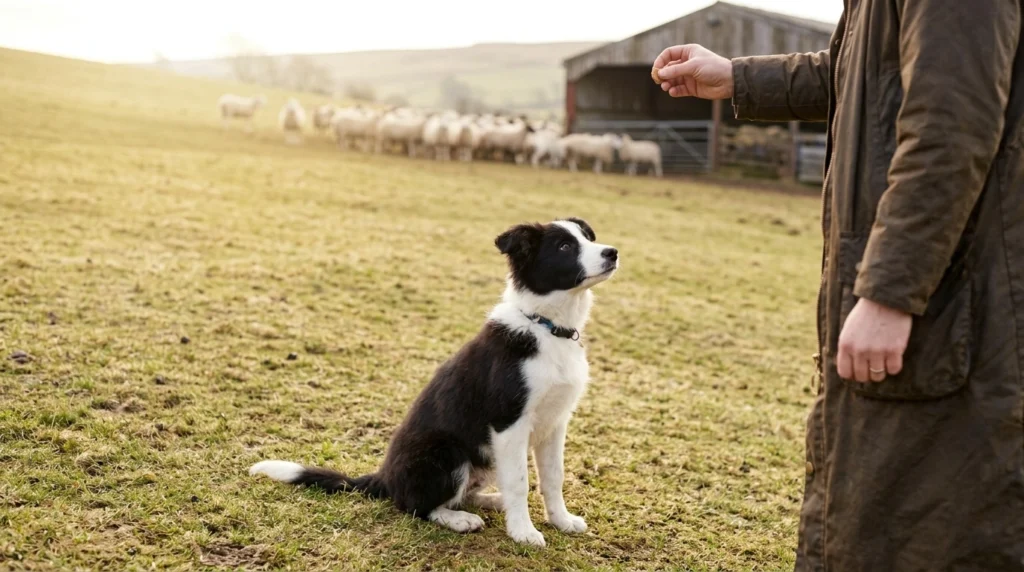
Training Principles That Work for Every Sheep Dog
Training a sheep dog is one of the most rewarding experiences a dog owner can have. These dogs are built to learn, work, and problem-solve. Therefore, they respond beautifully to consistent, positive training methods.
Here’s a step-by-step training approach that works:
- Start with basic obedience first. Before any herding work begins, your sheep dog needs rock-solid sit, stay, come, and down commands. These form the foundation of all advanced work. Therefore, spend the first 8–12 weeks on basic obedience exclusively.
- Introduce the livestock gradually. Never throw a young sheep dog straight into a full flock. First, introduce them to calm, settled animals in a controlled setting. As a result, the dog learns to observe without becoming overwhelmed or overly excited.
- Use consistent verbal commands. Traditional sheep dog commands include “come bye” (clockwise), “away to me” (counterclockwise), “lie down” (stop), and “walk on” (move forward). Consistency is when everything uses the same words every time.
- Work in short sessions. Sheep dogs are intense workers. However, short frequent sessions (15–20 minutes) produce better results than long exhausting ones. Also, always end on a positive note to keep motivation high.
- Reward effort, not just perfection. Herding is instinctive but complex. Therefore, reward your dog for trying, not just for getting it exactly right. Positive reinforcement builds confidence and enthusiasm over time.
- Progress to distance commands. Advanced sheep dog work involves controlling the dog from considerable distances. Therefore, practice recall and directional commands at increasing distances as the dog’s skills develop.
- Consider working with a professional trainer. For working dogs, professional guidance from an experienced sheep dog trainer accelerates progress enormously. In my experience, even one or two sessions with an expert transforms a dog’s understanding of the work.
Mental Stimulation Between Training Sessions
Sheep dogs need mental exercise just as much as physical activity. Between training sessions, provide:
- Puzzle feeders make every meal a mental challenge
- Hide and seek games use toys, treats, or yourself as the hidden object
- Obedience practice 10-minute sessions reinforce existing skills daily
- Agility training excellent for channeling herding energy productively
- Scent work taps into natural instincts in a controlled, rewarding way
Sheep Dog Care: Health, Grooming, and Daily Needs
Essential Daily Care Requirements
Caring for a sheep dog properly requires commitment. However, the rewards of loyalty, intelligence, and an unbreakable bond make every effort worthwhile.
Exercise Requirements by Breed
| Breed | Daily Exercise Needed | Type of Activity |
| Border Collie | 2+ hours | Vigorous running, herding, agility |
| Australian Shepherd | 1.5–2 hours | Active fetch, running, dog sports |
| Shetland Sheepdog | 1–1.5 hours | Moderate walks, play, training |
| Bearded Collie | 1.5 hours | Active running, off-leash play |
| Great Pyrenees | 45–60 minutes | Moderate patrol walking |
| Kangal | 60–90 minutes | Moderate property patrol |
Grooming Needs
Most sheep dog breeds have double coats that protect them from harsh weather. Therefore, regular grooming is essential, not optional.
- Border Collie: Brush 2–3 times weekly; more during shedding season
- Australian Shepherd: Brush 3–4 times weekly; regular trimming around ears and paws
- Shetland Sheepdog: Brush 2–3 times weekly; minimal trimming needed
- Great Pyrenees: Brush weekly; heavy seasonal shedding requires daily attention
Health Considerations
Every sheep dog breed carries specific health risks. Therefore, regular veterinary check-ups are non-negotiable. Common health concerns include:
- Hip dysplasia especially in larger breeds like the Great Pyrenees and Kangal
- MDR1 gene mutation common in Border Collies and Australian Shepherds; affects drug sensitivity
- Eye conditions Collie Eye Anomaly affects several herding breeds
- Epilepsy seen more frequently in Border Collies than in most other breeds
Always consult your vet about genetic testing options for your specific sheep dog breed. Early detection of hereditary conditions significantly improves long-term health outcomes.
Common Mistakes Sheep Dog Owners Make
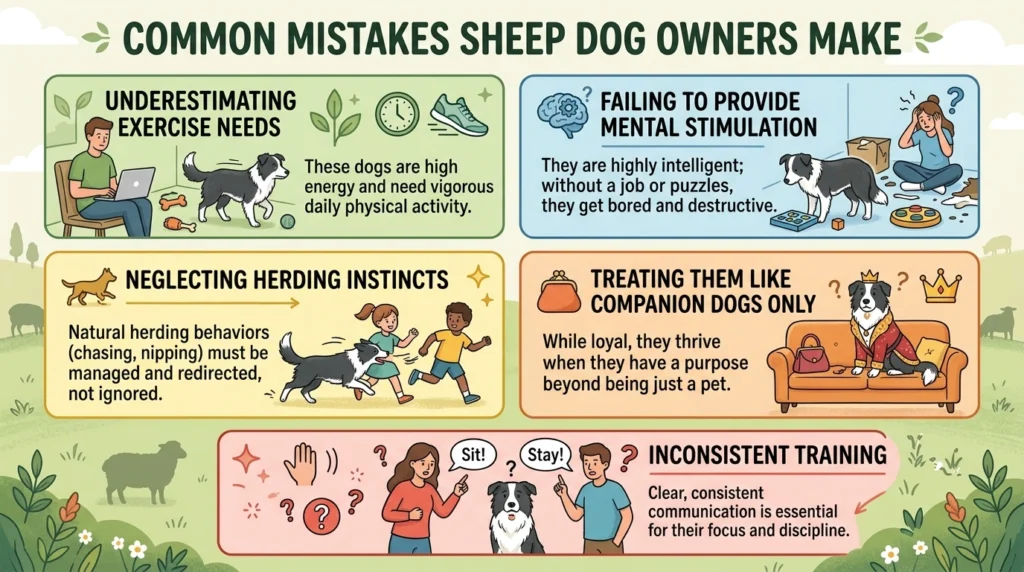
Mistake 1: Underestimating Exercise Needs
This is the most common and most damaging mistake. A Border Collie on a short daily walk becomes anxious, destructive, and deeply unhappy. Therefore, always research a breed’s exercise requirements honestly before committing. If you can’t meet those needs, choose a different breed.
Mistake 2: Skipping Mental Stimulation
Physical exercise alone isn’t enough for a sheep dog. Because these dogs are bred to solve complex problems, they need mental challenges every day. A bored sheep dog will find their own entertainment and you won’t like the results.
Mistake 3: Using Harsh Training Methods
Sheep dogs are sensitive, intelligent animals. Harsh corrections damage their confidence and break the trust essential for working together effectively. Therefore, always use positive reinforcement, reward what you want, and redirect what you don’t.
Mistake 4: Letting Herding Instincts Go Unchecked
Untrained sheep dogs will attempt to herd children, cyclists, and other pets. This behavior is completely natural but it needs management. Therefore, channel herding instincts into appropriate activities like agility, herding trials, or fetch games from an early age.
Sheep dogs can become protective or reactive without proper early socialization. As a result, expose your dog to different people, animals, sounds, and environments from puppyhood onwards. A well-socialized sheep dog is confident, friendly, and a genuine pleasure to own.
Pro Tip: Join a local sheep dog club or herding group even if you don’t own a farm. Many clubs offer “instinct testing” days where you can see if your dog has a natural herding drive and trained handlers guide first-time dogs safely through the experience. It’s genuinely one of the most exciting things you can do with your dog.
Frequently Asked Questions About the Sheep Dog
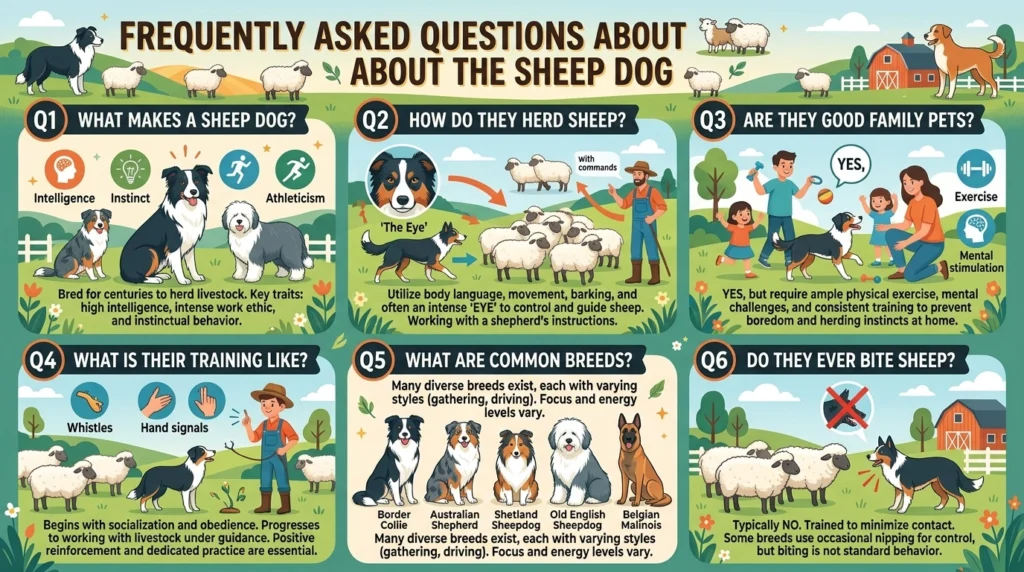
1. What is the best sheep dog breed for a family pet?
The Shetland Sheepdog (Sheltie) is widely considered the most family-friendly sheep dog breed. Because of their smaller size, gentle temperament, and eagerness to please, they adapt well to suburban family life. Australian Shepherds are also excellent family dogs for active households. However, Border Collies while extraordinary working dogs need highly experienced owners and enormous amounts of exercise to thrive as pets. Always research specific breed needs before choosing.
2. Are sheep dogs good with children?
Most herding sheep dog breeds are gentle and loyal with children they know well. However, their herding instinct can lead them to nip at heels or chase running children not aggressively, but as a natural herding behavior. Therefore, early training and socialization are essential for sheep dogs in family environments. Teaching children how to interact respectfully with dogs is equally important. Always supervise interactions between young children and any dog, regardless of breed.
3. How much exercise does a sheep dog need daily?
Exercise needs vary significantly by breed. Border Collies need 2+ hours of vigorous activity daily. Australian Shepherds need 1.5 to 2 hours of active exercise. Shetland Sheepdogs manage well with 1 to 1.5 hours of moderate activity. In addition to physical exercise, mental stimulation through training, puzzle toys, and games is essential for every sheep dog breed. Under-exercised sheep dogs develop behavioral problems that are difficult to manage.
4. Can a sheep dog live in an apartment?
Most sheep dog breeds are not well-suited to apartment living. However, the Shetland Sheepdog can adapt reasonably well to smaller spaces if given sufficient daily exercise and mental stimulation. Border Collies and Australian Shepherds generally need larger spaces and access to outdoor areas. Therefore, if you live in an apartment and want a herding breed, the Sheltie is your most realistic option paired with a serious commitment to daily exercise.
5. How long do sheep dogs live?
Lifespan varies by breed and size. Smaller herding breeds tend to live longer:
- Shetland Sheepdog: 12–14 years
- Border Collie: 10–17 years
- Australian Shepherd: 13–15 years
- Bearded Collie: 12–14 years
- Great Pyrenees: 10–12 years
- Kangal: 11–13 years
Regular veterinary care, appropriate exercise, and a high-quality diet significantly extend any dog’s healthy lifespan. Therefore, annual vet check-ups are essential for every sheep dog owner.
6. What’s the difference between a sheep dog and a shepherd dog?
The terms are often used interchangeably, but there’s a subtle difference. “Sheep dog” typically refers specifically to dogs bred to work with sheep either herding or guarding. “Shepherd dog” is a broader term that can refer to any dog used by shepherds, including those working with cattle, goats, or mixed livestock. Also, “shepherd” is included in several breed names like German Shepherd and Australian Shepherd which adds to the confusion. However, in practical everyday usage, most people use both terms to mean the same thing.
7. Do sheep dogs make good guard dogs?
Herding sheep dogs are not typically bred for guarding property or people. However, livestock guardian types like the Great Pyrenees, Kangal, and Anatolian Shepherd are highly effective guardians of their flock and territory. Herding breeds like Border Collies and Australian Shepherds tend to be alert and will bark at strangers. However, they lack the territorial protective instinct of true guard dog breeds. Therefore, if you specifically need property protection, a dedicated guard dog breed suits that purpose better than most herding sheep dogs.
Your Sheep Dog Journey Starts Here
The sheep dog is one of nature’s most remarkable animals, intelligent, devoted, athletic, and deeply connected to the humans they work alongside. Whether you’re considering a Border Collie for competitive herding, an Australian Shepherd for your active family, or a Great Pyrenees to protect your flock, these dogs offer something truly special.
However, every sheep dog needs a committed owner who understands their physical and mental needs. Therefore, do your research thoroughly, choose the right breed for your lifestyle, and invest in proper training from day one.
Also, don’t forget to schedule regular vet check-ups and discuss breed-specific health concerns with your veterinarian. A healthy, well-trained sheep dog is one of life’s greatest companions.