

Introduction
You’re reaching into a bowl of blueberries and your dog’s nose is already twitching with curiosity. The question is natural: can dogs eat blueberries, or is this another fruit that looks harmless but isn’t?
Here’s the genuinely good news: blueberries are not just safe for dogs, they’re one of the healthiest treats you can share with your furry companion. Many pet owners don’t realize that blueberries consistently rank among the most nutritionally beneficial fruits for dogs.
However, “safe” and “unlimited” are very different things. Even the healthiest treat needs proper portion management. Also, not every dog tolerates every food equally and blueberries are no exception to that rule.
In my experience, blueberries make an exceptional training treat, a perfect frozen summer snack, and a genuinely nutritious dietary addition when given correctly. They’re small, naturally sweet, and packed with antioxidants that benefit your dog’s long-term health.
This guide covers everything nutritional benefits, safe portions, serving ideas, potential risks, and the most common mistakes owners make. Let’s explore why blueberries deserve a spot in your dog’s treat rotation.
Quick Answer
Yes, dogs can eat blueberries safely. They’re low in calories, high in antioxidants, and rich in vitamins C and K, fiber, and manganese. Blueberries are one of the best natural treats for dogs. However, feed in moderation no more than 10 blueberries per day for most dogs and always introduce them gradually.
Key Takeaways
- Blueberries are 100% safe for dogs and considered a superfood treat
- They’re very low in calories approximately 1 calorie per blueberry
- Blueberries contain powerful antioxidants that support cellular health and aging
- They provide vitamins C and K, fiber, and manganese all beneficial for dogs
- Portion matters no more than 10% of daily caloric intake should come from treats
- Dogs with diabetes or sensitive stomachs should start with very small amounts consult your vet
Are Blueberries Safe for Dogs? Everything You Need to Know
Blueberries are completely safe for dogs and are widely considered one of the best fruit treats available for canine health. They’re non-toxic, naturally small, and provide genuine nutritional benefits making them ideal for dogs of all sizes.
What Nutrients Do Blueberries Provide for Dogs?
Blueberries pack impressive nutrition into a tiny package. Here’s what your dog actually gets from each blueberry:
| Nutrient | Benefit for Dogs |
| Antioxidants (anthocyanins) | Protect cells from oxidative damage and aging |
| Vitamin C | Immune system support and tissue repair |
| Vitamin K | Blood clotting and bone health support |
| Fiber | Healthy digestion and gut microbiome support |
| Manganese | Bone development and enzyme function |
| Vitamin E | Skin health, coat quality, and immune function |
| Phytochemicals | Anti-inflammatory properties throughout the body |
Why Are Blueberries Considered a Superfood for Dogs?
The term “superfood” gets overused but blueberries genuinely earn it. Their antioxidant content, particularly anthocyanins, which give blueberries their deep blue color provides cellular protection that benefits dogs significantly.
Also, blueberries contain one of the highest antioxidant concentrations of any common fruit. Because oxidative stress contributes to aging and inflammation in dogs just as in humans, antioxidant-rich foods like blueberries provide real long-term health support.
Are Blueberries Safe for All Dogs?
Blueberries are safe for most healthy adult dogs and puppies over 8 weeks old. However, certain dogs need extra caution:
- Diabetic dogs blueberries contain natural sugars that affect blood glucose
- Overweight dogs even low-calorie treats add up with large portions
- Dogs with sensitive stomachs introduce very gradually and monitor for reactions
- Dogs on specific prescription diets always check with your vet before adding any new food
Therefore, if your dog falls into any of these categories, consult your veterinarian before adding blueberries to their diet regularly.
How to Feed Blueberries to Dogs Safely: Step-by-Step Guide
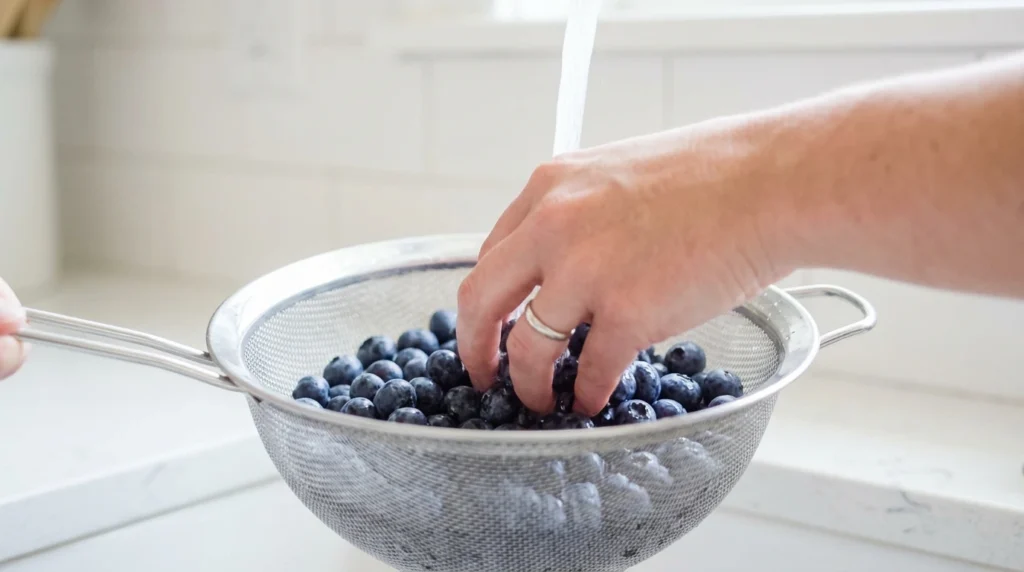
Feeding blueberries to your dog is genuinely simple but a few key steps ensure the best experience for both of you.
Step-by-Step Safe Blueberry Feeding Guide
- Start with fresh or frozen blueberries only. Always choose plain, fresh, or frozen blueberries, never blueberries from processed human foods. Blueberry muffins, yogurt-covered blueberries, blueberry jam, or dried blueberries with added sugar all contain ingredients that can harm dogs. Therefore, plain is always the right choice.
- Wash fresh blueberries thoroughly. Rinse fresh blueberries under cold running water before serving. Also, choose organic blueberries when possible to minimize pesticide exposure particularly important for small dogs where residue concentrations have proportionally greater impact.
- Serve at an appropriate size for your dog. Blueberries are naturally small, perfect for medium and large dogs. However, for very small dogs like Chihuahuas or toy breeds, consider cutting blueberries in half to reduce any choking risk. Also, this applies to puppies learning to eat solid treats for the first time.
- Introduce gradually on the first offering. If your dog has never eaten blueberries before, start with just 2–3 berries. Then wait 24 hours and watch for any digestive reaction loose stools, gas, or vomiting. As a result of this gradual approach, you identify any individual sensitivity before establishing blueberries as a regular treat.
- Follow the 10% treat rule. All treats combined including blueberries should account for no more than 10% of your dog’s daily caloric intake. Because each blueberry contains approximately 1 calorie, this rule is easy to follow. A 20-pound dog eating 400 calories daily can safely enjoy up to 40 calories of treats roughly 40 blueberries maximum, though much smaller amounts are preferable.
- Serve at room temperature or frozen. Fresh blueberries at room temperature are easy for most dogs to eat. Also, frozen blueberries make an excellent summer treat: they take longer to eat, provide mental enrichment, and offer cooling relief on hot days. Frozen blueberries are just as nutritious as fresh ones.
- Monitor your dog after initial feedings. Watch for any changes in stool consistency, energy, or behavior in the 24 hours following new food introduction. Mild changes are normal. However, persistent loose stools, vomiting, or unusual lethargy warrant a call to your vet.
Safe Blueberry Serving Sizes by Dog Size
| Dog Size | Weight | Safe Daily Maximum |
| Extra Small (Toy) | Under 10 lbs | 3–5 blueberries |
| Small | 10–25 lbs | 5–10 blueberries |
| Medium | 25–60 lbs | 10–15 blueberries |
| Large | 60–100 lbs | 15–20 blueberries |
| Giant | Over 100 lbs | 20–25 blueberries |
Creative Ways to Serve Blueberries to Dogs
Blueberries are one of the most versatile dog treats available. Because they’re small, soft, and naturally sweet, they adapt well to many different serving approaches.
Fun and Nutritious Blueberry Treat Ideas
1. Plain Fresh Blueberries as Training Treats Blueberries make exceptional training treats because they’re small, low-calorie, and highly motivating for most dogs. Also, their natural sweetness makes them especially appealing during training sessions. As a result, you can use more treats during intensive training without worrying about caloric overload.
2. Frozen Blueberry Treats Freeze fresh blueberries and serve directly from frozen. This simple approach creates a mentally enriching treat that takes longer to eat. Also, frozen blueberries provide natural cooling on hot days making them an ideal summer treat for dogs.
3. Blueberry Kong Stuffing Mash blueberries and mix with plain, unsweetened yogurt. Then stuff the mixture into a Kong toy and freeze. As a result, you create a nutritious, long-lasting enrichment toy that keeps your dog mentally engaged for 20–30 minutes.
4. Blueberry Dog Biscuits Bake simple homemade dog biscuits using mashed blueberries, oat flour, and egg. These treats are nutritious, free from artificial additives, and genuinely loved by most dogs. However, keep portions small even with homemade blueberry treats and sugar content accumulates across multiple servings.
5. Blueberry Smoothie Topper Blend a small handful of blueberries with plain yogurt and a splash of water. Drizzle a tablespoon over your dog’s regular meal as a nutritious food topper. Also, this approach works particularly well for picky eaters or dogs recovering from illness who need appetite encouragement.
Blueberries vs. Other Common Dog Fruit Treats
| Fruit | Calories Per Serving | Safe for Dogs | Sugar Level | Antioxidant Level |
| Blueberries (10) | ~10 calories | Yes | Low | Very High |
| Banana (2 slices) | ~20 calories | Yes | Medium-High | Moderate |
| Apple (1 slice) | ~10 calories | Yes (no seeds) | Medium | Moderate |
| Watermelon (1 chunk) | ~8 calories | Yes (no seeds) | Low-Medium | Moderate |
| Strawberry (1) | ~5 calories | Yes | Low | High |
| Grapes | Any amount | NO TOXIC |
Common Mistakes When Feeding Blueberries to Dogs

Mistake 1: Feeding Blueberries From Processed Human Foods
This is the most common mistake I see. A dog owner thinks, “Blueberries are safe so blueberry muffins, blueberry yogurt, or blueberry jam must be fine too.” However, processed blueberry products contain added sugars, artificial sweeteners, chocolate, xylitol, or other ingredients that are genuinely dangerous for dogs. Therefore, always serve plain, fresh, or frozen blueberries only, never blueberries embedded in human food products.
Mistake 2: Overfeeding Because “They’re Healthy”
Blueberries are healthy but that doesn’t mean unlimited quantities are appropriate. Even low-calorie foods accumulate over multiple daily servings. Also, excessive fiber from too many blueberries causes loose stools and digestive upset. Therefore, stick to the portion guidelines above and count blueberries within the 10% treat rule alongside all other daily treats.
Mistake 3: Skipping the Wash
Fresh fruit carries pesticide residues and potential bacterial contamination. However, many owners skip washing because blueberries seem clean or were purchased at a quality retailer. Also, unwashed blueberries can carry surface bacteria that affect dogs with sensitive immune systems. Therefore, always rinse blueberries thoroughly under cold running water before serving. It takes 30 seconds and significantly reduces contamination risk.
Mistake 4: Offering Whole Blueberries to Tiny Dogs
Standard blueberries are small but they can present a choking hazard for very small toy breeds or excited dogs who don’t chew before swallowing. Therefore, cut blueberries in half for dogs under 10 pounds, puppies, elderly dogs with dental issues, or any dog that tends to gulp treats without chewing. Also, supervise first-time blueberry feeding regardless of your dog’s size.
Mistake 5: Using Dried Blueberries Without Checking Ingredients
Dried blueberries seem like a convenient alternative to fresh. However, most commercially dried blueberries contain significant added sugar, sometimes equivalent to candy. Also, some dried fruit products contain xylitol as a sweetener, which is severely toxic to dogs. Therefore, always read ingredient labels carefully before offering any dried blueberry product, and choose unsweetened varieties only if you use dried blueberries at all.
Pro Tip: Keep a small bag of fresh blueberries in your refrigerator specifically as dog treats during training sessions. Because each blueberry is approximately 1 calorie, you can use 15–20 blueberries in a single training session without worrying about caloric impact on your dog’s daily intake. As a result, blueberries become your go-to high-repetition training treat perfect for teaching complex new skills that require many reward repetitions.
Frequently Asked Questions: Can Dogs Eat Blueberries?

1. How many blueberries can a dog eat per day?
The safe daily amount depends on your dog’s size and overall diet. As a general guideline: small dogs (under 25 lbs) can safely enjoy 5–10 blueberries daily; medium dogs (25–60 lbs) can have 10–15 blueberries; large dogs can enjoy up to 20 blueberries. However, these are maximums not daily targets. Because blueberries are treats, they should account for no more than 10% of your dog’s total daily caloric intake alongside all other treats. Therefore, on days when your dog receives other treats, reduce blueberry portions proportionally. Always consult your vet if you’re uncertain about appropriate amounts for your specific dog’s size and health status.
2. Can puppies eat blueberries?
Yes puppies can eat blueberries safely from approximately 8 weeks of age. However, start with very small amounts just 1–2 blueberries initially and introduce them gradually. Also, cut blueberries in half for very small puppies to eliminate any choking risk. Because puppies need complete, balanced nutrition during growth, treats of any kind should remain minimal. Blueberries shouldn’t replace any portion of a puppy’s complete diet; they function purely as occasional treats. Also, consult your vet about appropriate treat amounts for your puppy’s specific breed and developmental stage before establishing any treat routine.
3. Can dogs eat frozen blueberries?
Yes, frozen blueberries are just as safe and nutritious as fresh ones. Freezing doesn’t change blueberry nutrition or safety. Also, frozen blueberries often become a preferred treat format for dogs because the firmer texture is satisfying and the cooling effect is pleasant. Frozen blueberries take longer to eat than fresh ones providing additional mental enrichment and eating enrichment. They also work perfectly as summer cooling treats. The same portion guidelines apply to frozen blueberries as to fresh calories and sugar content remains identical regardless of temperature.
4. Are blueberries good for senior dogs?
Yes, blueberries are particularly beneficial for senior dogs. The antioxidants in blueberries, especially anthocyanins, help combat oxidative stress that accumulates as dogs age. Also, research suggests antioxidant-rich diets may support cognitive function in aging dogs, a significant benefit given that many senior dogs experience cognitive decline. In addition, blueberries’ fiber content supports digestive health, and their anti-inflammatory properties may help dogs experiencing age-related joint discomfort. However, senior dogs with kidney disease, diabetes, or other health conditions should only receive blueberries with explicit veterinary approval and guidance on appropriate amounts.
5. Can diabetic dogs eat blueberries?
Diabetic dogs should approach blueberries with caution and only with veterinary approval. While blueberries are low in calories and have a relatively low glycemic impact compared to many other fruits, they do contain natural sugars that affect blood glucose levels. Therefore, if your dog has diabetes, consult your veterinarian before introducing blueberries or any other fruit. Your vet can determine whether a small number of blueberries fits within your dog’s specific dietary management plan or whether avoiding them entirely is the safer approach for your individual dog’s blood sugar management needs.
6. Do blueberries help with dog digestion?
Blueberries can support healthy digestion because of their fiber content. Dietary fiber promotes healthy gut motility, supports beneficial gut bacteria, and contributes to consistent, well-formed stools in most healthy dogs. Also, the anti-inflammatory properties of blueberry antioxidants may benefit dogs with mild inflammatory digestive conditions. However, blueberries aren’t a treatment for digestive illness. If your dog has persistent digestive problems, consult your vet rather than relying on dietary changes alone. Also, too many blueberries because of their fiber content can actually cause loose stools in dogs with sensitive digestive systems. Therefore, moderate portions are always the right approach.
7. What other berries can dogs safely eat?
Several other berries are safe and nutritious for dogs in moderation:
- Strawberries vitamin C, fiber, and antioxidants; safe in small amounts
- Raspberries antioxidants and fiber; safe in very small amounts (contain natural xylitol limit to a few at a time)
- Cranberries safe plain; beneficial for urinary health (very tart most dogs don’t enjoy them)
- Blackberries safe in small amounts; similar nutritional profile to blueberries
Always avoid these berries they’re toxic to dogs:
- Grapes and raisins cause kidney failure NEVER feed to dogs
- Cherries pits, leaves, and stems contain cyanide
- Holly berries, mistletoe berries, and juniper berries toxic outdoor berries
When introducing any new berry, start with small amounts and monitor your dog for 24 hours. Consult your vet if you’re uncertain about any specific berry’s safety.
Blueberries and Dogs A Superfood Treat Done Right
So can dogs eat blueberries ? Absolutely yes and they genuinely should. Among all the treats you can share with your dog, blueberries rank among the healthiest, most convenient, and most nutritionally valuable options available.
Their remarkable antioxidant content supports cellular health and aging. their low calorie count makes portion management genuinely easy. Their natural size makes them perfect for training. Also, most dogs love the sweet, juicy taste without any convincing required.
Therefore, pick up a punnet of fresh blueberries on your next grocery run and keep them in your refrigerator as your dog’s go-to healthy treat. Serve them fresh, freeze them for summer enrichment, or blend them into Kong stuffing for mental stimulation.