

Introduction
Here’s a truth most new dog owners discover too late: dog grooming isn’t just about keeping your dog looking good. It’s one of the most important health practices you can build into your dog’s regular routine.
Regular grooming prevents painful matting, catches skin conditions early, reduces shedding, and builds a bond between you and your dog that makes handling much easier throughout their life. Many pet owners don’t realize that grooming neglect causes real, measurable health problems from infected ears and overgrown nails to severe matting that requires veterinary intervention to resolve.
In my experience, owners who groom their dogs consistently even imperfectly produce healthier, calmer, more handleable dogs than those who groom infrequently or only when things get noticeably bad.
The good news? You don’t need professional skills or expensive tools to groom your dog well at home. You need the right knowledge, the right basic tools, and a consistent routine.
This guide covers everything from basic brushing to bath technique, nail care to ear cleaning, and home grooming versus professional services. Let’s build a grooming routine your dog actually enjoys.
Quick Answer
Dog grooming involves brushing, bathing, nail trimming, ear cleaning, and coat maintenance performed regularly to keep your dog healthy and comfortable. Most dogs need brushing weekly, bathing every 4–6 weeks, nail trimming every 3–4 weeks, and ear cleaning weekly. Grooming frequency depends on your dog’s breed, coat type, and lifestyle.
Key Takeaways
- Regular grooming prevents health problems matting, infections, and overgrown nails all cause genuine pain and discomfort
- Most dogs need brushing at least weekly longhaired breeds need 3–4 times weekly or daily
- Nail trimming every 3–4 weeks prevents painful nail overgrowth that affects walking and posture
- Ear cleaning weekly prevents the buildup that leads to painful ear infections
- Start grooming early puppies introduced to grooming young become much easier to handle as adults
- Professional grooming every 6–8 weeks is recommended for many breeds alongside at-home maintenance
What Is Dog Grooming and Why Does It Matter?
Dog grooming encompasses all the hygiene and appearance care practices that keep your dog physically healthy and comfortable. It goes far beyond a haircut. It’s a comprehensive health practice that affects your dog’s skin, coat, ears, nails, teeth, and overall wellbeing.
The Health Benefits of Regular Dog Grooming
Many pet owners view grooming as cosmetic, something you do to make your dog look presentable. However, the health benefits are genuinely significant:
- Early detection of health issues regular handling reveals lumps, skin changes, parasites, and injuries early
- Prevention of painful matting mats pull skin constantly and can harbor infection underneath
- Ear infection prevention regular cleaning removes wax and debris before they become infectious
- Dental disease prevention regular teeth brushing dramatically reduces dental disease risk
- Nail health overgrown nails affect gait, posture, and can curl into paw pads
- Skin and coat health brushing distributes natural oils and removes dead hair and skin cells
- Reduced shedding regular brushing removes loose hair before it ends up on your furniture
How Often Should You Groom Your Dog?
Grooming frequency varies significantly by breed, coat type, and lifestyle. Here’s a general baseline:
| Grooming Task | Short Coat | Medium Coat | Long Coat |
| Brushing | Weekly | 2–3x weekly | Daily |
| Bathing | Every 6–8 weeks | Every 4–6 weeks | Every 4 weeks |
| Nail trimming | Every 3–4 weeks | Every 3–4 weeks | Every 3–4 weeks |
| Ear cleaning | Weekly | Weekly | Weekly |
| Teeth brushing | 3x weekly | 3x weekly | 3x weekly |
| Professional groom | As needed | Every 6–8 weeks | Every 6–8 weeks |
How to Groom Your Dog at Home: Complete Step-by-Step Guide
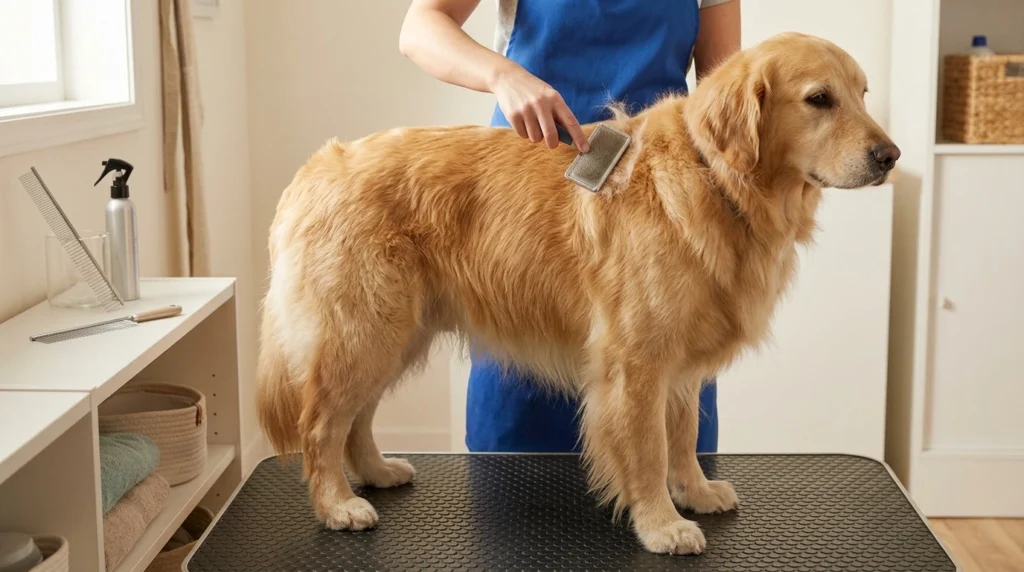
Home dog grooming saves money and builds your bond with your dog. However, doing it correctly requires the right approach for each grooming task.
Step 1 Brushing Your Dog
Start every grooming session with brushing. Also, brushing before bathing removes loose hair and prevents wet hair from matting.
Brushing technique by coat type:
- Short coats (Beagle, Boxer, Dalmatian) use a rubber curry brush or bristle brush. Brush in the direction of hair growth using gentle circular motions. As a result, you remove loose hair and dead skin cells efficiently.
- Medium coats (Labrador, German Shepherd) use a slicker brush followed by a deshedding tool during shedding season. Work section by section from head to tail. Also, pay extra attention to areas prone to matting behind ears, under arms, and around the collar.
- Long coats (Golden Retriever, Collie, Shih Tzu) use a wide-tooth comb first to check for mats, then a slicker brush to work through the coat thoroughly. Also, a finishing comb polishes the coat and catches any remaining tangles.
- Double coats (Husky, Malamute, Corgi) use an undercoat rake during shedding season to remove dense undercoat. Never shave double-coated breeds; this damages the coat’s natural protective properties permanently.
Step 2 Bathing Your Dog
Equipment needed:
- Dog-specific shampoo (never use human shampoo)
- Conditioner for longhaired breeds
- Non-slip mat for the tub
- Handheld shower attachment or large cup
- Several absorbent towels
Bathing process:
- Brush thoroughly before getting your dog wet
- Use lukewarm water not hot
- Wet the coat completely from neck to tail
- Apply dog shampoo and lather thoroughly
- Rinse completely shampoo residue causes skin irritation
- Apply conditioner if needed rinse thoroughly
- Towel dry firmly, then blow dry on low heat if needed
Step 3 Nail Trimming
Nail trimming is the task most owners fear most. However, with the right technique, it becomes routine.
Nail trimming steps:
- Use sharp, high-quality dog nail clippers dull clippers crush the nail rather than cutting cleanly
- Hold each paw firmly but gently
- Identify the quick the pink blood vessel visible in light-colored nails; less visible in dark nails
- Cut small amounts at a time below the quick
- Cut at a 45-degree angle
- Have styptic powder nearby in case of accidental quick cuts
Pro Tip: If your dog has dark nails and you can’t see the quick, trim just the curved tip of the nail 1–2mm at a time. Also, trim nails after bathing when they’re softer and easier to cut cleanly. Consistent frequent trimming keeps the quick shorter over time, making future trims much easier and safer.
Step 4 Ear Cleaning
Dogs’ ear canals are L-shaped meaning debris and moisture get trapped easily. Therefore, weekly cleaning prevents the buildup that leads to painful ear infections.
Ear cleaning steps:
- Use only vet-approved ear cleaning solution
- Squeeze a small amount into the ear canal
- Gently massage the base of the ear for 20–30 seconds
- Allow your dog to shake their head
- Wipe the outer ear and visible canal with a cotton ball
- Never insert cotton swabs into the ear canal
Also, check for signs of infection during cleaning redness, dark discharge, strong odor, or pain when touching the ear. These symptoms warrant a veterinary visit before continuing cleaning.
Step 5 Teeth Brushing
Dental disease affects the majority of dogs over age three. However, regular brushing dramatically reduces this risk.
Teeth brushing steps:
- Use only dog-specific toothpaste human toothpaste contains xylitol, which is toxic to dogs
- Start by letting your dog lick toothpaste from your finger
- Gradually introduce a finger brush, then a dog toothbrush
- Brush in gentle circular motions along the gum line
- Focus especially on the back upper molars where tartar accumulates fastest
Dog Grooming Tools: What You Actually Need
Many owners feel overwhelmed by the variety of grooming tools available. Therefore, here’s a straightforward guide to what actually matters:
Essential Dog Grooming Tools by Coat Type
| Tool | Best For | Why It’s Needed |
| Slicker brush | All coat lengths | Removes loose hair and detangles |
| Wide-tooth comb | Medium and long coats | Detects mats before they worsen |
| Rubber curry brush | Short coats | Removes dead hair and massages skin |
| Undercoat rake | Double coats | Removes dense undercoat effectively |
| Deshedding tool (Furminator) | Heavy shedders | Significantly reduces shedding |
| Dog nail clippers | All dogs | Essential for nail maintenance |
| Styptic powder | All dogs | Stops bleeding from accidental quick cuts |
| Dog shampoo | All dogs | pH-balanced for canine skin |
| Ear cleaning solution | All dogs | Prevents ear infections |
| Dog toothbrush + toothpaste | All dogs | Prevents dental disease |
Home Grooming vs. Professional Grooming
| Factor | Home Grooming | Professional Grooming |
| Cost | Low ongoing cost | $40–$120+ per session |
| Convenience | High on your schedule | Appointment required |
| Bond building | Excellent | Moderate |
| Skill required | Moderate | Professional level |
| Breed-specific cuts | Difficult | Expert |
| Health monitoring | Good | Very Good |
| Best for | Maintenance between professional grooms | Complete grooms, breed-specific styling |
Common Dog Grooming Mistakes to Avoid
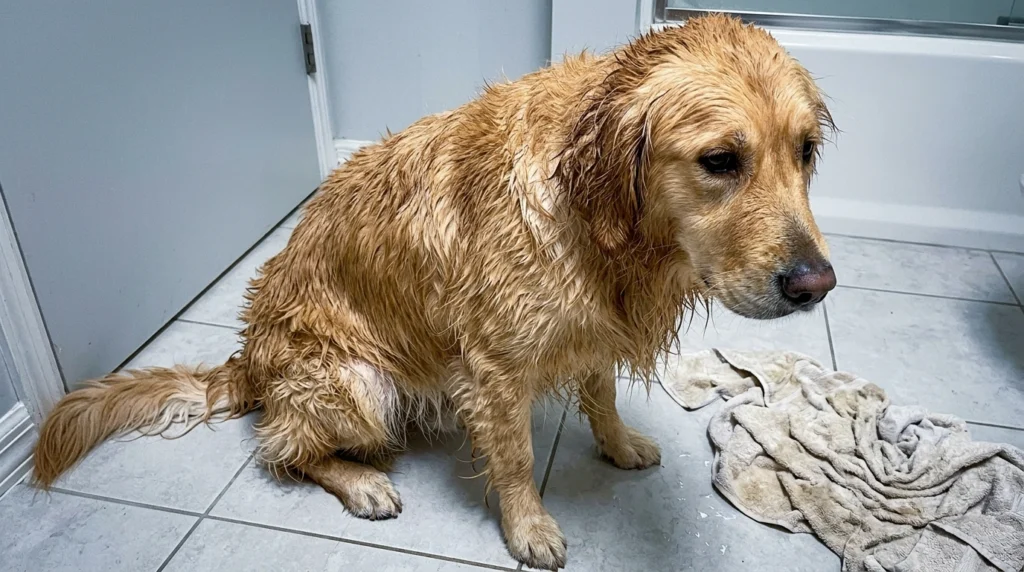
Mistake 1: Bathing Too Frequently
A simple mistake I often see is owners bathing their dogs weekly because they enjoy it or the dog gets dirty frequently. However, over-bathing strips the coat of natural oils causing dry, itchy skin and a dull coat. Therefore, stick to the recommended bathing frequency for your dog’s coat type typically every 4–8 weeks for most dogs. In between baths, use dry shampoo or a damp cloth wipe for spot cleaning.
Mistake 2: Using Human Shampoo
Human shampoo is formulated for a human skin pH of 5.5. However, dogs have a skin pH of 6.5–7.5 a significantly different range. Using human shampoo disrupts the skin’s protective barrier and causes dryness, irritation, and increased susceptibility to infection. Therefore, always use shampoo specifically formulated for dogs, and choose formulas appropriate for your dog’s skin type sensitive, oily, or regular.
Mistake 3: Skipping Nail Trims
Many owners skip nail trims because they’re nervous about cutting the quick. However, overgrown nails cause real physical problems. When nails grow too long, they force the dog’s toes into an unnatural position affecting gait, posture, and joint health over time. Therefore, commit to trimming nails every 3–4 weeks. Also, if you’re genuinely nervous, ask your vet or groomer to show you the correct technique in person.
Mistake 4: Not Introducing Grooming Early Enough
Dogs not introduced to grooming during puppyhood often develop significant handling resistance as adults. As a result, routine grooming becomes stressful for both dog and owner. Therefore, start handling your puppy’s paws, ears, and mouth from day one long before formal grooming begins. Also, pair all handling with treats and praise to build positive associations that last a lifetime.
Mistake 5: Ignoring Signs of Skin Problems During Grooming
Grooming is your best opportunity to spot health issues early. However, many owners focus on the task rather than observing the skin underneath. Therefore, part the coat and look at the skin at every grooming session. Watch for redness, flaking, bumps, unusual odor, bald patches, or signs of parasites. As a result, early detection means simpler, less expensive treatment and less discomfort for your dog.
Frequently Asked Questions About Dog Grooming
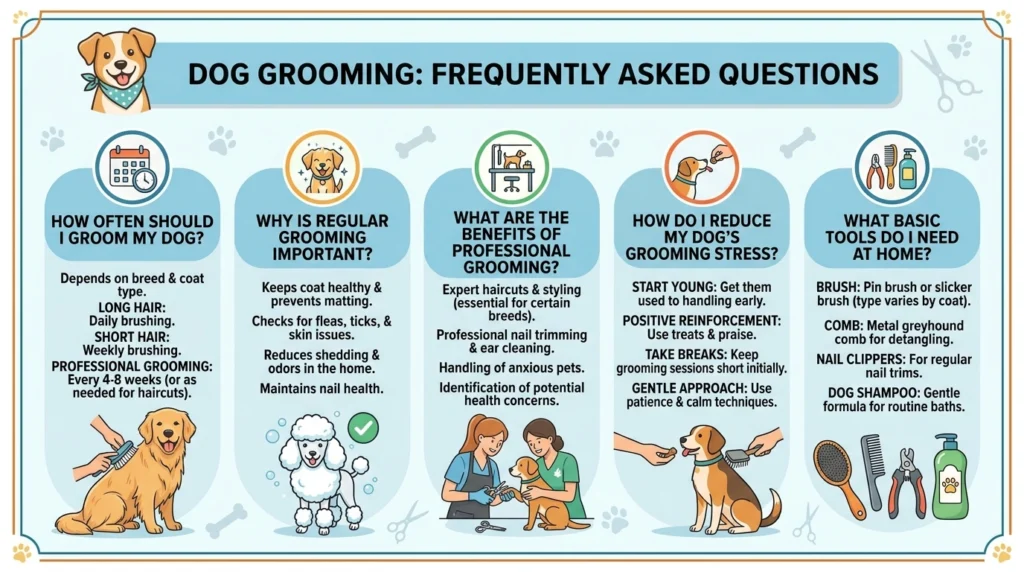
1. How often should I groom my dog?
Grooming frequency depends on your dog’s coat type and breed. Short-coated dogs like Beagles and Boxers need weekly brushing and bathing every 6–8 weeks. Medium-coated dogs need brushing 2–3 times weekly and bathing every 4–6 weeks. Long-coated breeds like Shih Tzus, Golden Retrievers, and Maltese need daily or near-daily brushing and bathing every 3–4 weeks. All dogs regardless of coat type need nail trimming every 3–4 weeks, ear cleaning weekly, and teeth brushing at least 3 times weekly. Professional grooming every 6–8 weeks benefits most medium and longhaired breeds alongside regular home maintenance sessions.
2. Can I groom my dog at home or do I need a professional?
Most home grooming tasks are manageable without professional training including brushing, bathing, nail trimming, ear cleaning, and teeth brushing. However, breed-specific haircuts like the Poodle clip, Schnauzer trim, or Cocker Spaniel cut require professional skill and equipment. Also, dogs with severe matting should see a professional groomer rather than an owner attempting to detangle at home, as improper detangling causes pain and skin damage. The best approach combines regular home maintenance with professional grooming every 6–8 weeks for a complete, breed-appropriate result.
3. What do I do if my dog hates being groomed?
Start with very short, positive grooming sessions just 2–3 minutes initially. Also, pair every grooming touch with high-value treats to build positive associations. Gradually increase session length as your dog becomes more comfortable. Never force grooming or restrain your dog aggressively; this creates lasting negative associations. Also, identify which specific tasks your dog dislikes most and address those individually with extra patience and reward. For dogs with severe grooming anxiety, consult a certified professional dog trainer or veterinary behaviorist before continuing. Some dogs also benefit from calming supplements and discuss this option with your vet.
4. How much does professional dog grooming cost?
Professional dog grooming costs vary significantly by location, dog size, coat condition, and services requested. In the United States, a basic groom (bath, blow dry, brush, nail trim) typically costs $40–$80 for a small dog and $60–$120+ for a large breed. Full grooms including breed-specific haircuts cost $60–$150+ depending on coat complexity. Also, dogs with severely matted coats often incur dematting fees. Mobile grooming services where the groomer comes to your home typically cost 20–40% more than salon grooming but offer significant convenience benefits for nervous dogs or busy owners.
5. What is the best brush for shedding dogs?
The best brush for shedding dogs depends on coat type. For short-coated heavy shedders like Labrador Retrievers and Beagles, a rubber curry brush combined with a deshedding tool like the Furminator works best. For double-coated breeds like Huskies, German Shepherds, and Golden Retrievers, an undercoat rake is essential during shedding season followed by a slicker brush for the outer coat. Also, regular deshedding treatments at a professional grooming salon can reduce home shedding significantly by removing dead undercoat before it falls naturally. Consistent brushing at home remains the single most effective shedding management strategy regardless of breed.
6. How do I clean my dog’s ears safely?
Safe ear cleaning requires a vet-approved ear cleaning solution, never water, hydrogen peroxide, or rubbing alcohol. Squeeze the solution generously into the ear canal, then gently massage the base of the ear for 20–30 seconds. Allow your dog to shake their head to loosen debris. Then wipe the visible outer ear and canal opening with a cotton ball. Never insert cotton swabs into the ear canal; this pushes debris deeper and risks damage to the eardrum. Also, if you see redness, dark or foul-smelling discharge, or if your dog resists ear handling with pain, consult your vet before cleaning; these signs suggest infection requiring treatment rather than cleaning.
7. How do I stop my dog from moving during nail trims?
The most effective approach combines desensitization and positive reinforcement. Start by touching your dog’s paws daily without clippers, just gentle handling paired with treats. Then introduce the clippers by touching them to the paw without cutting. Gradually progress to trimming one nail per session initially always followed by significant reward. Also, choose a moment when your dog is naturally calm after exercise or a meal rather than when they’re excited or restless. Many dogs accept nail trims much more easily when tired. If your dog remains genuinely difficult to manage for nail trims, ask your vet or groomer to demonstrate their restraint and technique in person.
Make Dog Grooming a Positive Part of Your Routine
Dog grooming consistently transforms your relationship with your dog and your dog’s overall health. A dog who’s regularly handled, brushed, bathed, and trimmed is healthier, calmer, and more comfortable with veterinary handling throughout their life.
Therefore, start simple. Build a weekly brushing habit first. Add nail trims every three weeks. Incorporate ear cleaning into your routine. Then expand from there as both you and your dog grow more confident.
Also, don’t aim for perfection immediately. A slightly imperfect groom done regularly beats a perfect groom done rarely every single time. Your dog doesn’t need salon-quality results at home. They need consistent, gentle, positive handling that keeps them healthy and happy.