

Introduction
Your dog has been staring at the leash for the third time today. You can feel the energy buzzing off them from across the room. Sound familiar? Every dog owner hits that moment where a simple walk just isn’t enough and searching for a dog park near me becomes the most urgent task of the day.
Dog parks are genuinely wonderful spaces. They give your dog room to run freely, socialize with other dogs, and burn off energy in a safe, enclosed environment. However, not all dog parks are equal. Some are spacious and well-maintained. Others are cramped and poorly managed.
Therefore, knowing how to find the right dog park and how to use it safely makes all the difference for both you and your dog.
In this guide, you’ll discover exactly how to find the best dog park near you, what to bring, how to stay safe, and the unwritten rules that every dog park visitor should know. Let’s get your pup to the park.
How to Find the Best Dog Park Near Me
The Fastest Ways to Locate a Local Dog Park
Finding a great dog park near me has never been easier. However, knowing which tools to use saves you a lot of time and frustration. Here are the most reliable methods:
Use Google Maps: Simply type “dog park near me” into Google Maps. As a result, you’ll see a list of nearby parks with ratings, photos, reviews, and opening hours. Also, you can filter by distance to find the closest option quickly.
Use the BringFido App: BringFido is one of the most popular pet-friendly location apps available. Therefore, it’s an excellent tool specifically designed to help dog owners find parks, trails, restaurants, and hotels that welcome dogs.
Check Your City’s Parks and Recreation Website: Most city governments maintain an updated list of official off-leash dog areas. In addition, these listings often include park rules, hours, and any breed or size restrictions you need to know about.
Ask Your Vet or Local Pet Store: In my experience, local veterinarians and pet store staff know every dog-friendly spot in the area. Therefore, a quick ask during your next visit often uncovers hidden gems that don’t appear in online searches.
Join Local Facebook Groups or Nextdoor: Local community groups are goldmines for dog park recommendations. Also, members often share real-time updates about park conditions, closures, and upcoming events.
What to Look for in a Quality Dog Park
Not every dog park deserves your visit. Therefore, evaluate each option using these key criteria:
- Secure fencing double-gated entry prevents escapes
- Separate areas small dog and large dog sections reduce injury risk
- Clean grounds well-maintained parks have regular waste removal
- Fresh water access water stations keep dogs hydrated during play
- Adequate space overcrowded parks create stress and conflict
- Shade and seating important for longer visits, especially in summer
- Good lighting essential for early morning or evening visits
How to Prepare for Your First Dog Park Visit
Step-by-Step First Visit Guide
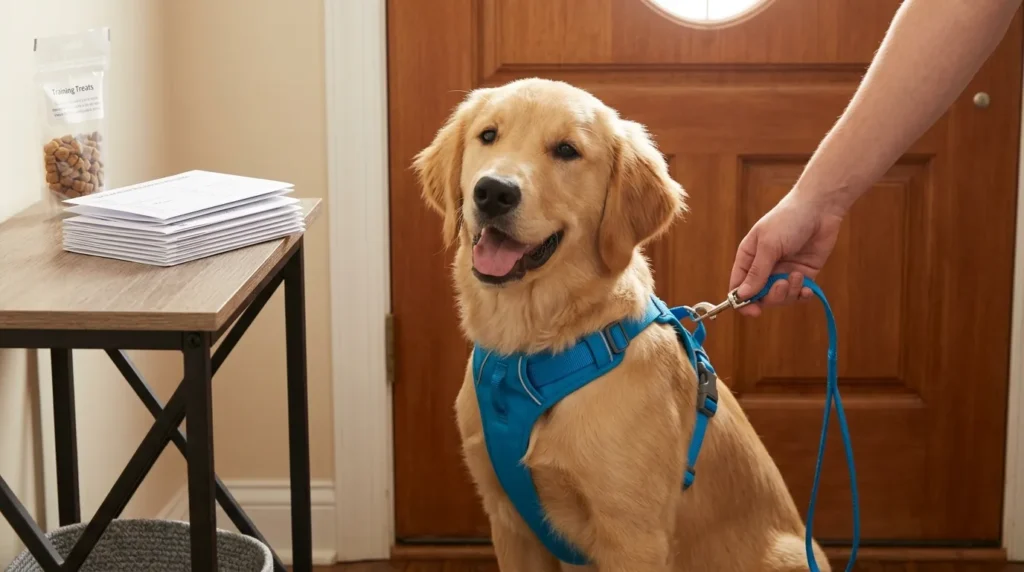
Going to a dog park for the first time feels exciting but preparation makes it genuinely enjoyable instead of stressful. Therefore, follow these steps before you go:
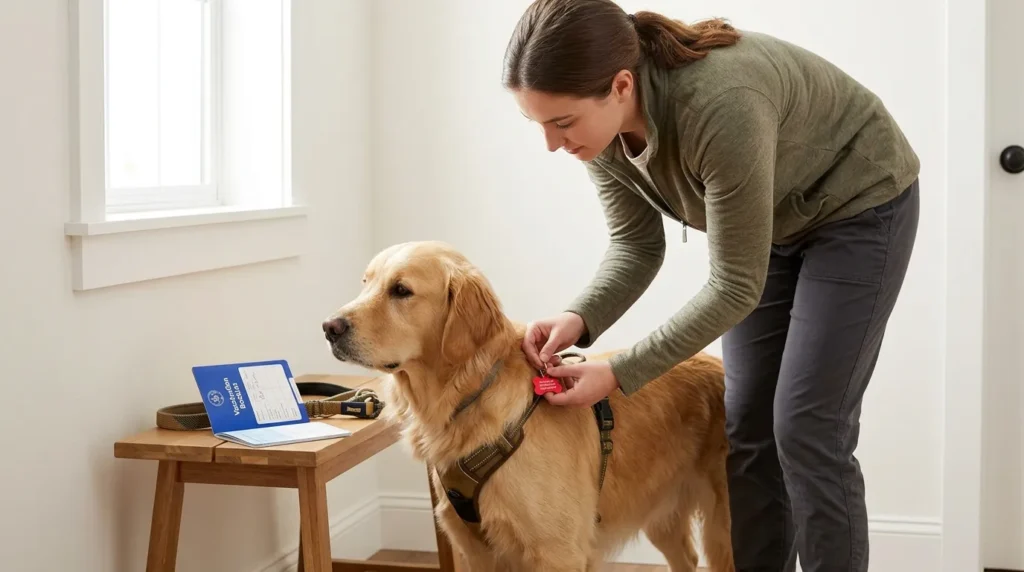
- Make sure your dog is fully vaccinated. Dog parks involve close contact with many dogs. Therefore, rabies, distemper, bordetella, and leptospirosis vaccines are essential. Always consult your vet to confirm your dog’s vaccinations are current before their first park visit.
- Ensure your dog is well-socialized. A dog that hasn’t spent time around other dogs may feel overwhelmed or react fearfully. Therefore, practice socialization in controlled settings first like puppy classes or small playdates before attempting a busy dog park.
- Choose the right time to visit. Early mornings on weekdays are typically quieter. However, weekend afternoons can get very crowded. For first-time visits, quieter periods allow your dog to adjust gradually without feeling overwhelmed.
- Bring the right supplies. Pack these essentials every time:
- Waste bags always
- Fresh water and a collapsible bowl
- High-value treats for recall training
- Your dog’s ID tag and collar checked and secure
- A leash for entry, exit, and emergencies
- Enter calmly and remove the leash quickly. A dog kept on-leash while surrounded by off-leash dogs feels vulnerable. Therefore, enter through the double gate, secure it behind you, then remove the leash promptly once you’re safely inside.
- Watch your dog’s body language constantly. Happy dog body language includes loose wiggly movement, play bows, and relaxed ears. However, stiff posture, raised hackles, and fixed staring signal tension. Therefore, learn to read these signals before your visit.
- Know when to leave. If your dog shows persistent stress signals, or if another dog behaves aggressively, leave calmly without hesitation. Also, leaving on a positive note before your dog gets overtired builds good associations with park visits over time.
Pro Tip: Bring high-value treats specifically for recall practice at the dog park. Teaching a rock-solid “come” command in a distraction-heavy environment like a dog park could literally save your dog’s life one day. Practice recalls regularly throughout every visit.
Dog Park Etiquette: The Unwritten Rules Every Owner Should Know
Why Etiquette Matters at Every Dog Park Near You
A dog park is a shared community space. Therefore, how you and your dog behave affects everyone’s experience. In my experience, most conflicts at dog parks come from owners who aren’t paying attention, not from the dogs themselves.
The Essential Dog Park Etiquette Rules
| Rule | Why It Matters |
| Always pick up waste immediately | Keeps the park clean and disease-free |
| Keep your eyes on your dog at all times | Prevents conflicts before they escalate |
| Don’t bring food into the park | Food causes resource guarding and fights |
| Avoid bringing a dog in heat | Causes significant disruption and conflict |
| Don’t bring sick dogs | Prevents disease spreading to other dogs |
| Keep young children supervised closely | Small children can accidentally provoke dogs |
| Put your phone away | Distracted owners miss critical warning signs |
| Greet other owners, not just their dogs | Builds community and increases safety awareness |
The Leash On vs. Leash Off Question
Here’s something that confuses many first-time dog park visitors. Should you keep your dog leashed inside the park? The answer is almost always no once you’re safely inside the enclosed area.
A leashed dog surrounded by off-leash dogs feels restrained and vulnerable. As a result, they often become defensive or reactive even to dogs that are normally calm and friendly. Therefore, the leash comes off as soon as you clear the entry gate and secure it behind you.
However, always keep the leash accessible. You’ll need it when leaving, and in any situation that requires quick intervention.
Dog Park Safety: Protecting Your Dog Every Visit
Understanding Dog Park Risks
Dog parks are generally safe and enormously beneficial for dogs. However, understanding the real risks helps you protect your dog proactively rather than reactively.
Health Risks to Know About
Infectious diseases spread easily wherever dogs congregate. Therefore, keeping vaccinations current is non-negotiable. In addition, watch for symptoms like coughing, sneezing, or eye discharge in the days after park visits. If you notice anything concerning, consult your vet promptly.
Parasites including fleas, ticks, and intestinal worms transfer easily in shared outdoor spaces. Therefore, keep your dog on a year-round parasite prevention program recommended by your vet.
Injuries most commonly occur during rough play between dogs of mismatched sizes. Therefore, always use the small dog area if your dog weighs under 25 pounds even if they seem confident around larger dogs.
Behavioral Risks to Watch For
Not every dog at the park is well-socialized. Therefore, watch for these warning signs in other dogs:
- Stiff, rigid body posture signals tension or threat
- Prolonged direct staring a precursor to conflict
- Growling or snapping clear warning signals
- Persistent chasing that doesn’t stop harassment, not play
- Resource guarding over water bowls or toys potential conflict trigger
If you observe any of these behaviors directed at your dog, calmly redirect your dog and create distance. Also, don’t hesitate to leave if the situation feels unsafe. No park visit is worth a dog bite injury.
What to Do If a Fight Occurs
Dog fights are rare but can happen. Therefore, know what to do before you need to:
- Never reach between fighting dogs with your hands you will get bitten
- Use noise a loud clap or shout often interrupts conflict
- Use a physical barrier a bag, jacket, or water bottle between dogs
- Grab rear legs if necessary, grab the aggressor’s back legs and pull backward
- Stay calm panicked owners escalate the situation significantly
After any incident, check your dog thoroughly for injuries. Also, consult your vet the same day, even for minor wounds dog bites puncture deeply and infection develops quickly.
Pro Tip: Take photos of any dog that behaves aggressively toward your dog including their owner if possible. Also note the date, time, and park location. This documentation helps park management address repeat offenders and protects you legally if injuries occur.
Frequently Asked Questions About Finding a Dog Park Near Me
1. How do I find a dog park near me right now?
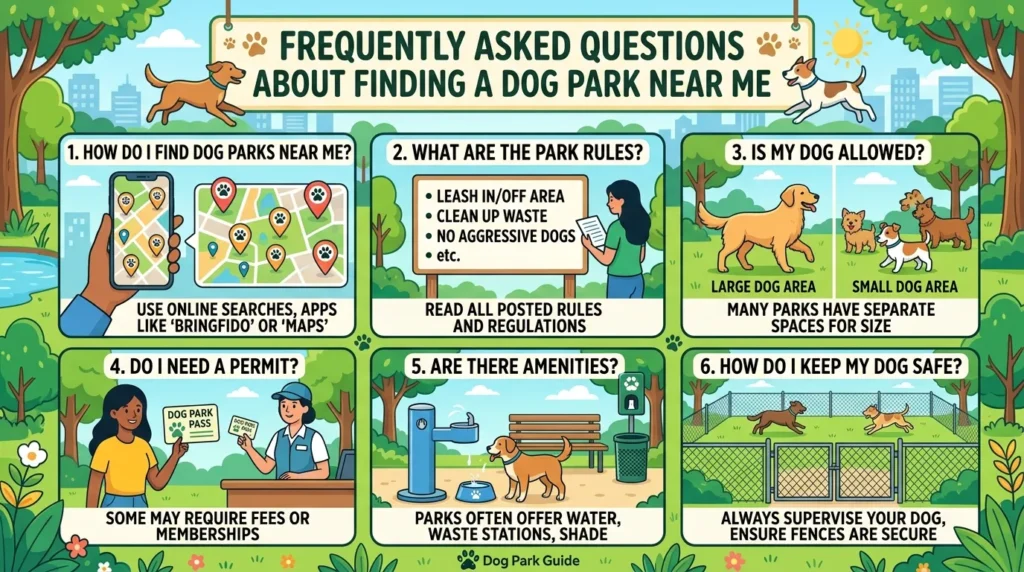
The fastest method is typing “dog park near me” directly into Google Maps or Apple Maps. Both apps show nearby parks with ratings, photos, hours, and directions immediately. Also, the BringFido app and DogPark.com provide specialized dog park databases with detailed information about facilities, rules, and user reviews. For the most current local information, joining a neighborhood Facebook group or Nextdoor community often reveals parks and trails that don’t appear in standard searches.
2. Are dog parks free to use?
Most public dog parks are completely free to use. However, some premium or privately operated dog parks charge a small daily fee or annual membership. In addition, a few cities require a free permit or dog park tag obtained through your local parks department to use designated off-leash areas. Therefore, check your city’s parks and recreation website for any local requirements before your first visit.
3. What vaccinations does my dog need for a dog park?
At minimum, your dog should be current on rabies, distemper-parvo (DHPP), and bordetella (kennel cough) vaccines before visiting any dog park. In addition, many vets recommend leptospirosis vaccination for dogs that use shared outdoor water sources regularly. Therefore, schedule a vet visit before your dog’s first park visit to confirm their vaccination status is complete and up to date. Never take an unvaccinated dog, especially a puppy, to a dog park.
4. Can I take a puppy to a dog park?
Most veterinarians recommend waiting until your puppy has completed their full vaccination series typically around 16 weeks before visiting a dog park. However, even after full vaccination, a puppy’s social skills and confidence matter enormously. Therefore, introduce your puppy to the park with gradually shorter visits during quieter times first. Also, always use the small dog section for young puppies, regardless of their expected adult size. Consult your vet about the right timing for your specific puppy’s health and development.
5. What should I do if my dog doesn’t enjoy the dog park?
Not every dog loves dog parks and that’s completely normal. Some dogs are naturally less social and prefer one-on-one play with a familiar dog friend. Therefore, if your dog consistently shows stress signals at the park hiding behind you, trembling, or trying to leave, respect their preference. In my experience, forcing a reluctant dog into a park environment creates negative associations that worsen over time. Alternative options include private playdates, hiking trails, or dog sports classes that provide exercise and mental stimulation in a less overwhelming setting.
6. How often should I take my dog to a dog park?
For most healthy, social dogs, two to three visits per week provides excellent physical exercise and social enrichment. However, daily visits to very busy parks can actually cause overstimulation and reactivity in some dogs. Therefore, balance park visits with quieter activities like walks, training sessions, and backyard play. Also, always watch your dog’s overall energy and mood. A dog that returns from the park calm and satisfied is getting the right amount of park time.
7. Are dog parks safe for small dogs?
Dog parks can be very safe for small dogs provided you use the dedicated small dog section. Most well-managed parks separate dogs by size, with 25 pounds or under as the typical dividing line. However, even in small dog areas, watch for energy mismatches and overly rough play. Also, be cautious about bringing very small breeds like Chihuahuas or Maltese to parks where large dogs use the same entrance area. Therefore, always assess the specific park’s layout and supervision level before deciding if it’s a safe environment for your small dog.
Find Your Perfect Dog Park Today
Finding the ideal dog park near me takes a little research but the reward is absolutely worth it. A great dog park becomes one of your dog’s favorite places on earth. It’s where they sprint freely, make dog friends, and come home gloriously tired and happy.
Therefore, use Google Maps, BringFido, or your local parks website to find options near you today. Check vaccinations with your vet first. Pack your supplies. And go enjoy one of the simplest, most joyful experiences dog ownership offers.
Also, remember the best dog park isn’t necessarily the biggest or the closest. It’s the one where your dog feels safe, happy, and free.