Introduction:
A dog’s joy lies in running, jumping and playing. When a dog is healthy, he runs for hours a day, chases after a ball and plays with his owner. But when his joints hurt, this same dog becomes sluggish, lies down for a long time and avoids climbing stairs. Taking care of the health of his dog’s joints is the first responsibility of every dog owner. According to veterinarians, one in five dogs suffer from joint pain. This article will tell you how to improve the health of your dog’s joints, what symptoms not to ignore and when to consult a doctor.
What are joints and how do they work?
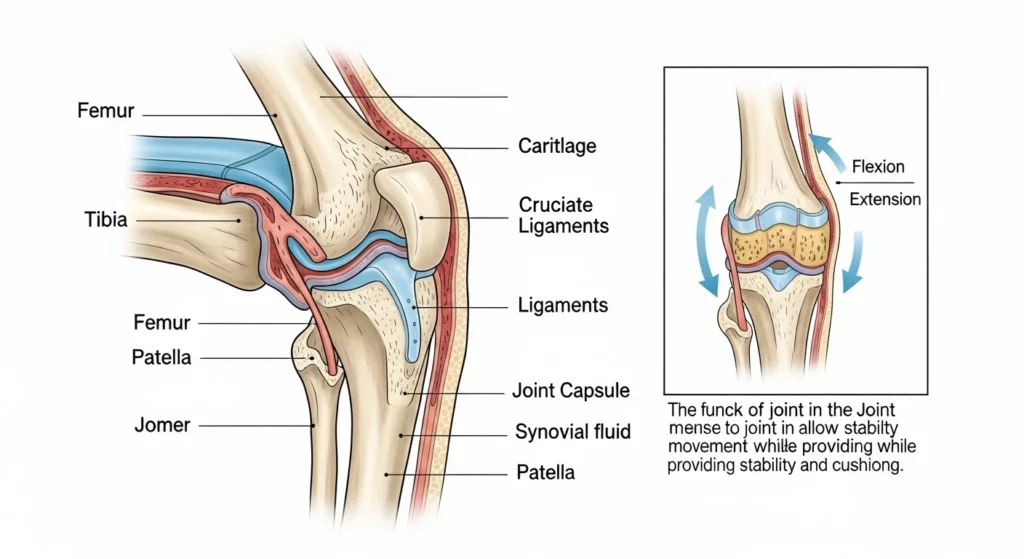
A joint is the place where two bones meet. There are hundreds of Dog Joint Health in a dog’s body that allow it to move. The shoulder joints, elbow joints, hip joints and knee joints are the most important.
In a healthy joint, the ends of the bones are covered with soft cartilage. This cartilage acts as a cushion and reduces friction. The joint is surrounded by a joint capsule filled with synovial fluid. This fluid lubricates and nourishes the cartilage.
When a Dog Joint Health are unhealthy, the cartilage begins to wear down. The bones rub against each other, causing pain, swelling, and stiffness. This condition is called arthritis.
Types of Joint Diseases
There are several types of joint diseases in dogs.
Osteoarthritis:
This is the most common disease of older dogs. The cartilage wears down with age. It is estimated that one in four dogs suffer from this disease. Sometimes, it can also occur after an injury.
Hip dysplasia:
This disease of the hip joint is common in large breeds. In this, the bones of the hip joint become loose. The joint does not fit properly in its place. This disease is more common in German Shepherds, Labradors and Golden Retrievers.
Elbow dysplasia:
This disease of the elbow joint also occurs in large breeds. The three bones of the elbow do not fit together properly. Over time, pain and lameness begin.
Crotch ligament rupture:
This problem in the knee joint often occurs suddenly. The dog suddenly screams while running and then does not put weight on that leg. This problem is common in overweight dogs.
Patellar luxation:
A disease of small breeds. The kneecap (kneecap) comes off its place. The dog suddenly lifts its leg while running and then corrects itself. This problem is common in Pomeranians, Yorkshire Terriers and Poodles.
Causes of Joint Disorders
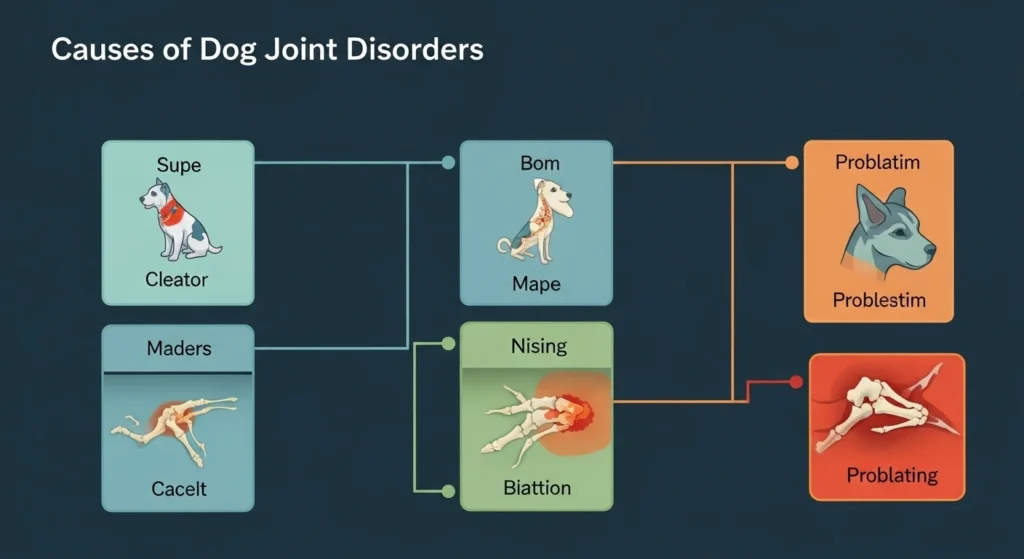
There are many reasons why a Dog Joint Health may become unhealthy.
Ageing:
Joints weaken with age. Dogs over the age of seven may suffer from joint pain.
Obesity:
Excess weight puts extra pressure on the joints. Even if a healthy dog gains five kilos, its joints will be under twenty kilos of extra pressure. Obesity is the biggest enemy of dog joint health.
Breed:
Some breeds are more prone to joint diseases. Joint problems are more common in German Shepherds, Labradors, Golden Retrievers, Rottweilers and Dobermans.
Injury:
Accidents, falls or excessive running can damage the joints. If left untreated after an injury, an old injury can later develop into arthritis.
Nutritional deficiency:
If a dog does not get the right food in childhood, its bones become weak. The wrong ratio of calcium and phosphorus is also harmful.
Hereditary diseases:
Joint diseases are also transmitted from parents to children. If the dog’s parents have had joint problems, then the children may also have them.
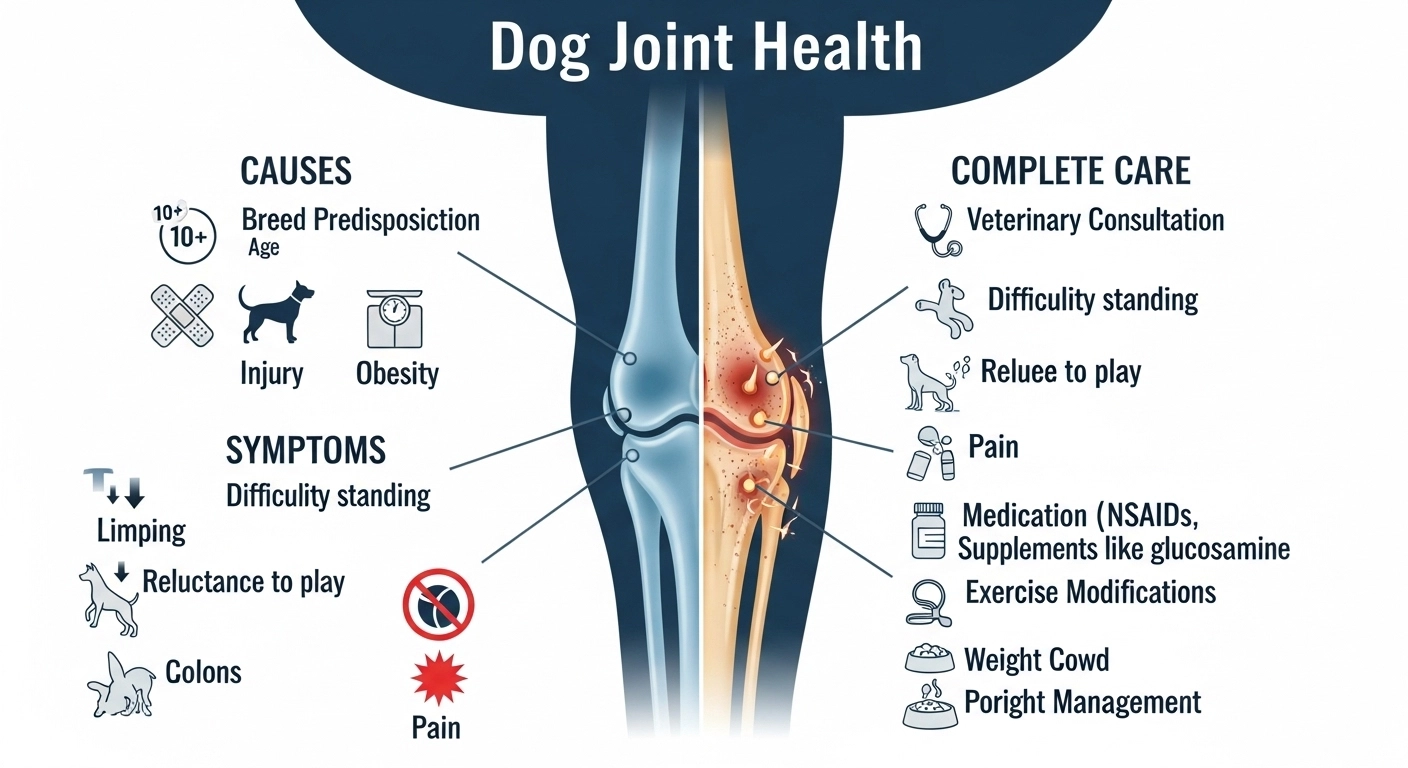
Symptoms of Joint Pain
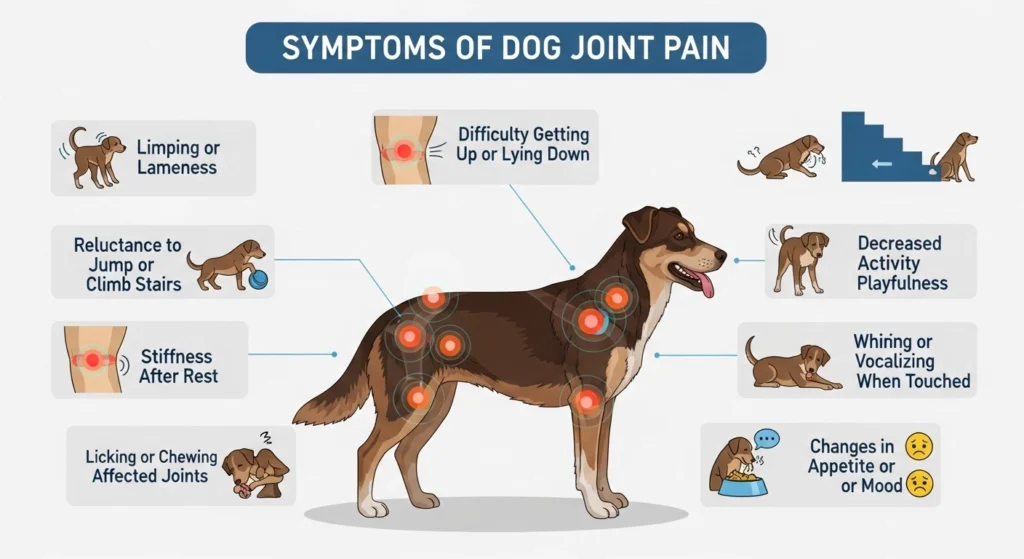
Dogs cannot tell you with words, but their behavior says it all. If you see these symptoms, you can understand that the health of the dog’s joints is not good.
Limping:
The dog does not put weight on one leg while walking. Or he drags the leg while walking.
Stiffness:
The dog feels stiff when he wakes up in the morning. It gets better after walking for a while.
Fear of stairs:
The dog is reluctant to climb stairs. He waits for you to go up, maybe you will pick him up.
Difficulty jumping:
Hesitation in jumping on the car or sofa. He puts his front legs first and then slowly climbs up.
Stiffness when walking:
The back and hips feel stiff while walking. Difficulty in straightening the legs.
Weight loss:
Due to pain, the dog eats less and loses weight.
Irritability:
The dog snarls or tries to bite when touched. The pain makes it irritable.
Lethargy:
The dog lies down for a long time. It is not interested in playing and jumping. It does not run as fast as before.
Easy ways to protect joints
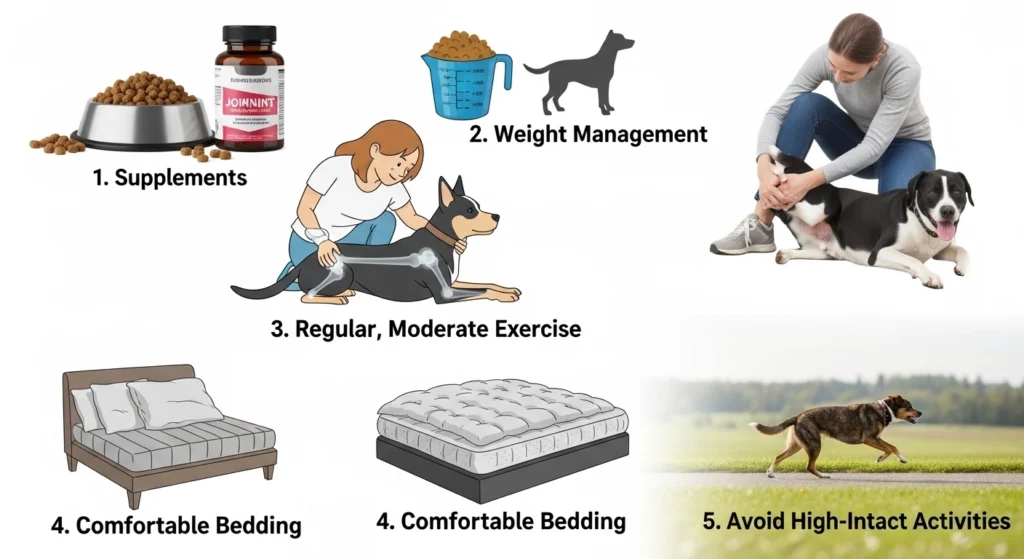
Adopt a few easy habits to improve the health of your dog’s joints.
Control weight:
Obesity puts extra strain on the joints. Keep the dog’s weight ideal. If the dog is obese, lose weight with the advice of a doctor. Check the weight every week.
Moderate exercise:
Regular daily exercise is necessary, but not too much. Swimming is the best exercise. It does not put pressure on the joints and strengthens the muscles.
Run on a soft surface:
Cement and hard floors are harmful to the joints. Run on grass or soft soil. Lay a carpet or mat in the house.
Protect from cold:
Joint pain increases in the cold. Dress the dog in warm clothes in the winter. Keep his bed warm and soft.
Avoid slipping:
If there is water on the floor, the dog can slip. Slipping can hurt the joints. Wipe up the water immediately.
Regular check-ups:
Have your dog examined by a vet twice a year. The vet can catch the problem early.
Diet and dog joint health
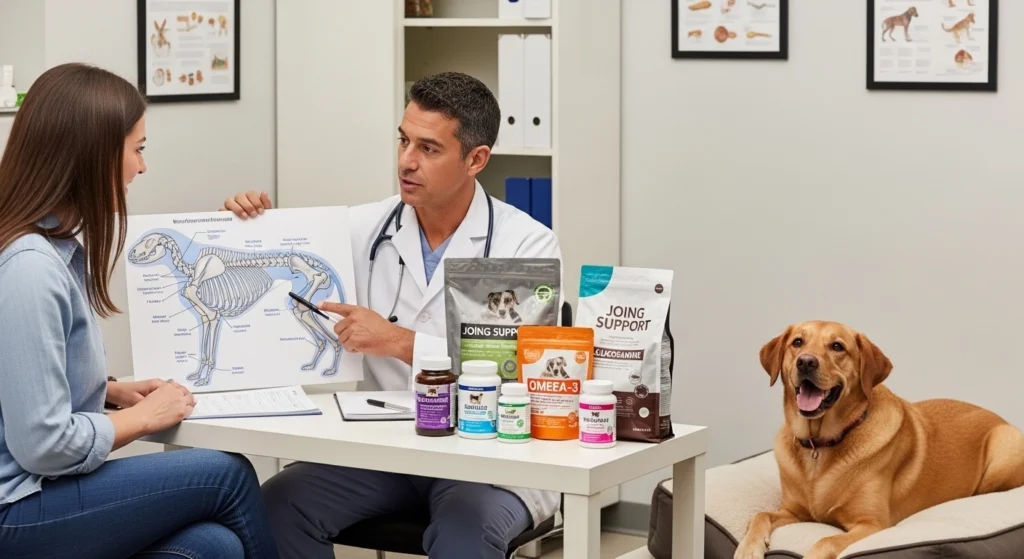
A proper diet is the foundation of a dog’s joint health.
Glucosamine:
This natural substance is found in the joints. It repairs cartilage and builds new cartilage. Glucosamine supplements are available in the market.
Chondroitin:
This is also a part of cartilage. It keeps the joint fluid thick and prevents cartilage from breaking down. Most supplements contain both glucosamine and chondroitin.
Omega-3 fatty acids:
It is found in fish oil. It reduces joint swelling and relieves pain. Include fish oil in your daily diet.
MSM:
This is natural sulfur. It strengthens the collagen in the joints and reduces pain.
Vitamin C:
It helps in the production of collagen. Collagen keeps the joints strong.
Calcium and phosphorus:
These are essential for bones. Their ratio should be correct. Too much calcium is also harmful.
Bone broth:
Boil beef bones and make broth. It contains natural glucosamine and collagen. Mix it with food.
Supplements useful for joints
There are many supplements for dog joint health in the market.
Dasaquin:
This is a popular supplement from America. It contains glucosamine, chondroitin and MSM. There are separate formulas for small and large breeds.
Cosquin:
This supplement from Nutramex Laboratories is also popular. In addition to glucosamine and chondroitin, it also contains astaxanthin.
Zesty Paws:
It comes in chewable tablets. Dogs love it. It contains glucosamine, chondroitin, and turmeric.
Veterin:
It contains New Zealand green-lipped mussel. This natural supplement reduces inflammation and keeps joints lubricated.
Yomo:
It comes in the form of an injection. The veterinarian injects it into the joint. It helps produce joint fluid.
Exercise and Joints
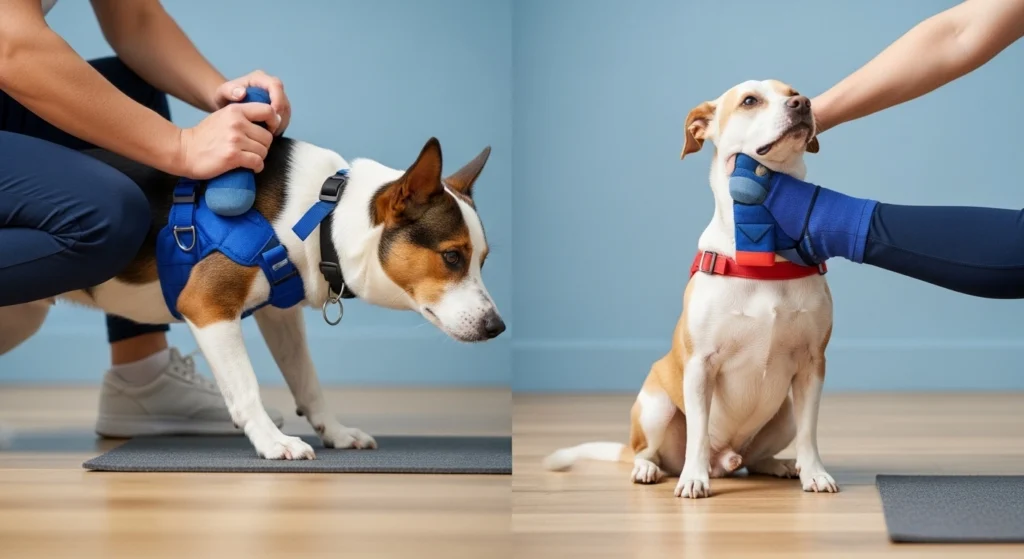
Exercise is essential for the health of a dog’s joints. But exercise must be correct.
Swimming:
This is the best exercise. In water, the dog’s body weight decreases and there is no pressure on the joints. The resistance of the water strengthens the muscles.
Walking:
Take slow walks twice a day. Don’t walk for too long at a time. Rest after a while.
Physiotherapy:
Special exercises strengthen the joints. Your veterinarian can teach you these exercises.
Massage:
A gentle massage improves blood circulation and reduces pain. Massage also helps to relieve muscle tension.
Don’t over-exercise:
Don’t over-exercise your dog. If your dog lies down and refuses to get up, it’s over-exercised.
Treatment of Joint Pain
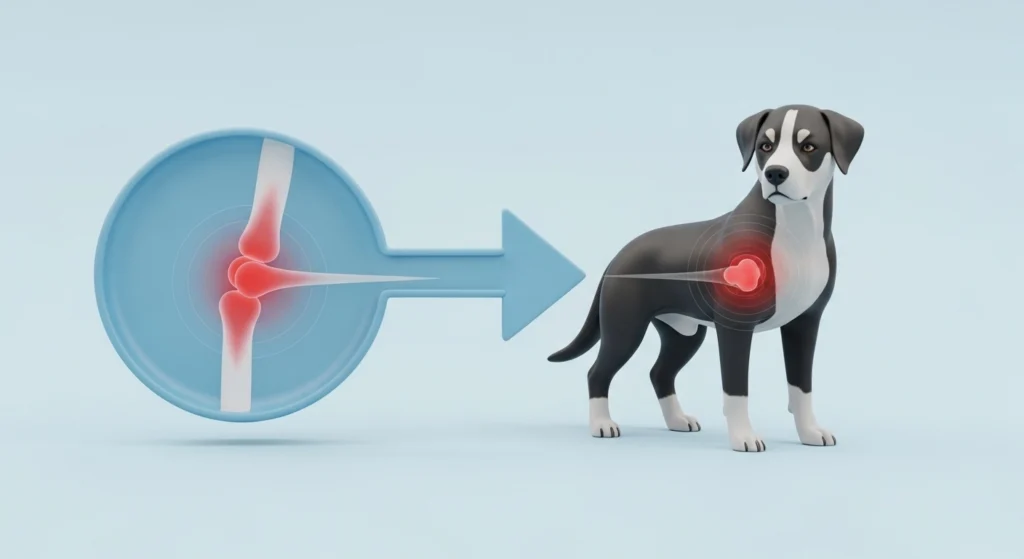
When the health of a dog’s joints becomes very bad, treatment is necessary.
Painkillers:
The veterinarian gives painkillers. These include carprofen, meloxicam, and galprant. Never give human painkillers. Paracetamol and ibuprofen are poisonous to dogs.
Anti-inflammatory drugs:
These reduce joint swelling. Do not give without a doctor’s advice.
Dangers of human drugs:
A single paracetamol can kill a dog. Never give human drugs.
Stem cell therapy:
This is a modern treatment. Stem cells are taken from the dog’s body and injected into the joint. It repairs damaged cartilage.
PRP therapy:
The dog’s blood is taken, platelets are separated from it, and injected into the joint. This speeds up healing.
Laser therapy:
Irradiation is applied to the joint with a cold laser. This reduces pain and swelling.
Acupuncture:
Small needles are inserted around the Dog Joint Health. This releases natural painkillers into the body.
When is surgery necessary?

Sometimes medication alone does not work. In these cases, surgery is required.
Hip dysplasia surgery:
If the hip joint is very damaged, it is replaced. An artificial joint is inserted. This is an expensive surgery, but the dog can run again.
Crotch ligament surgery:
The knee Dog Joint Health is opened and the ligament is repaired. There are several methods. TPLO and TTA are popular surgeries.
Patella surgery:
The kneecap is brought back to its original position and strengthened.
Femoral head surgery:
The head of the hip bone is cut and removed. The muscles then support the bone. This option is good for small dogs.
After surgery:
At least two months of rest after surgery. Physiotherapy is necessary. Keep your weight under control.
Special care for puppies
A puppy’s bones and joints are growing. Take special care of them.
Do not exercise too much:
It is harmful for a puppy to run too much. Its bones are soft. Feed it little by little and then rest.
Do not let it climb stairs:
Do not let a puppy under six months old climb stairs. This can damage the hip joint.
Do not let it jump:
Jumping from a high place is harmful for the joints. Lean over to climb onto the sofa.
Balanced diet:
Do not feed a puppy food for large dogs. Give a special food for puppies that has the right ratio of calcium and phosphorus.
Avoid fast speed:
Running fast puts pressure on the Dog Joint Health. Run slowly with a puppy.
Special care for senior dogs
A dog over seven years old is considered senior. Senior dogs’ joints become weak.
Soft bed:
Get an orthopedic bed for senior dogs. A memory foam bed is better. It does not put pressure on the joints.
Install a ramp:
If the dog cannot climb onto the sofa or car, install a ramp. This will make it easier for him to climb.
Heat considerations:
Keep your senior dog warm in the cold. Wear a sweater and keep a hot water bottle in the bed.
Change in diet:
Feed a special diet for senior dogs that contains glucosamine and chondroitin.
Reduce the duration:
Don’t walk for too long at a time. Walk a little at a time several times a day.
Regular vet:
Get your senior dog checked by a vet every three months.
Obesity and joints
Obesity is the biggest enemy of a Dog Joint Health.
Identification of obesity:
If the dog’s ribs are not visible to the touch, then the dog is obese. Even if the back bones are not visible, it is still obese.
How to lose weight:
Reduce the amount of food. Stop eating sweets and biscuits. Note the weight daily.
Low-calorie food:
Low-calorie food is available in the market. It helps in losing weight.
Be patient:
It takes time to lose weight. Do not rush. Losing one or two kilos a month is enough.
Benefits of losing weight:
If a dog loses five kilos, twenty kilos of pressure on its joints is reduced. There is a clear difference in pain.
Prevention of joint problems
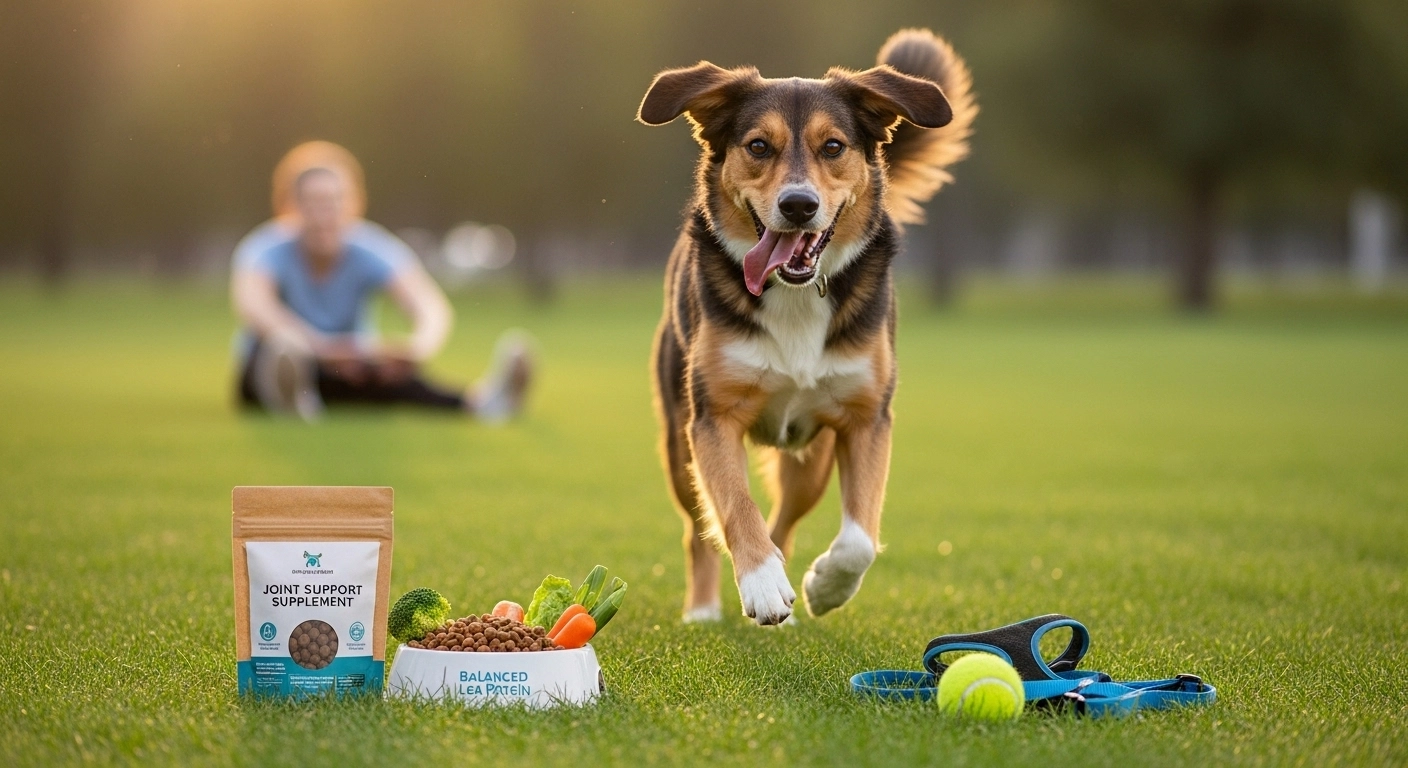
Prevention is better than cure. These habits will maintain the health of the Dog Joint Health.
Healthy parents:
If you buy a dog, check the health of its parents. If they do not have joint problems, the children will also be healthy.
Standard food:
Do not feed cheap and junk food. Feed a quality brand of food that contains all the nutrients.
Regular exercise:
Exercise daily. A dog that is tied up all day becomes a joint patient.
Supplements:
Start glucosamine and omega-3 supplements from the age of five. This will protect the Dog Joint Health.
Prevent injury:
Do not keep things in the house that the dog can bump into and fall. Install a gate on the stairs.
Annual check-up:
Get an X-ray done once a year. This will detect internal problems.
( Dog Joint Health , Dog Joint Health ,Dog Joint Health,Dog Joint Health,Dog Joint Health,Dog Joint Health,Dog Joint Health,Dog Joint Health,Dog Joint Health,Dog Joint Health )
Conclusion
Taking care of your Dog Joint Health is not a difficult task. With a little attention and effort, you can protect your dog from joint pain.
Remember that joint pain progresses gradually. At first, there is only stiffness, then lameness begins, and finally the dog is unable to walk. If you recognize the symptoms and start treatment at the beginning, you can avoid a big problem.
Five golden rules for protecting your joints:
First: Keep your weight under control.
Second: Get moderate exercise daily.
Third: Add glucosamine and fish oil to your diet.
Fourth: Protect from cold and slippery conditions.
Fifth: Get regular checkups with your vet.
These small habits will keep your Dog Joint Health. Even when your dog is old, he will happily run, play, and spend time with you.
Finally, I must say this: learn to understand your dog’s language. His eyes, his gait, his sitting and standing all tell you. Don’t ignore the slightest stiffness, the slightest limp, the slightest hesitation. Because these small signs tell the story of the health of your dog’s joints.
You will reward your dog’s loyalty. His health is in your hands.