Introduction:
Dogs are not just pets, they are members of our family. Just as humans have digestive complaints, dogs are also prone to stomach and intestinal diseases. Vomiting, diarrhea, constipation, bloating and loss of appetite are symptoms that indicate that your loyal companion’s digestive system is not working properly. In such a situation, “Digestive Care Dog Food” plays an important role. In this article, we will learn in detail what digestive problems are, what are their causes, and how special food can get your dog’s life back on track.
How does the digestive system work in dogs?
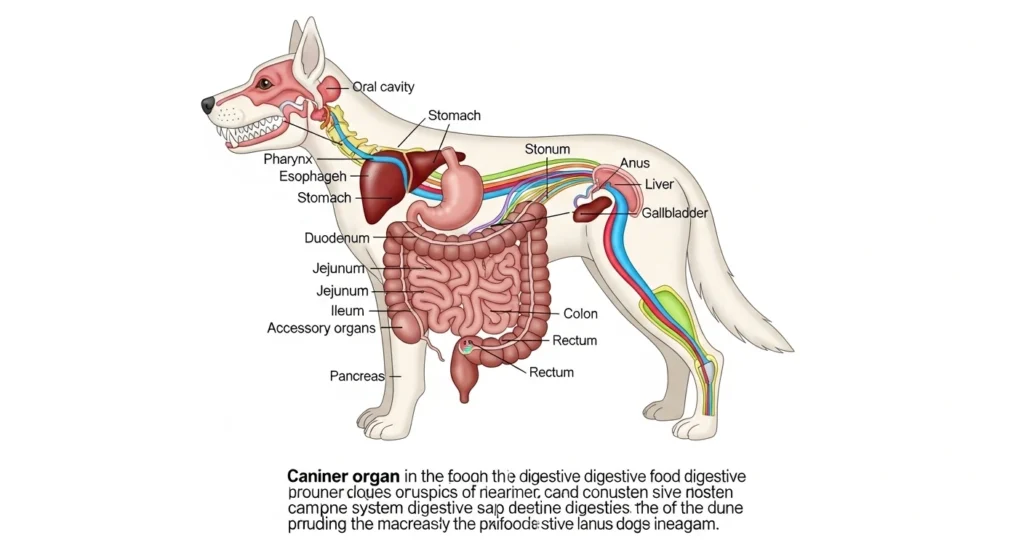
The journey of a dog’s food begins in the mouth, where the teeth chew the food and break it into small pieces. Then the food passes through the esophagus and reaches the stomach. Acids and enzymes in the stomach break down food. The food then passes into the small intestine, where the actual nutrients are absorbed. Water and some minerals are absorbed in the large intestine, and the rest is excreted as waste. A dog’s digestive system is very sensitive, and even the slightest change can affect it.
Types and Causes of Digestive Disorders
Digestive problems in dogs can be temporary (acute) or chronic (long-term). There are many causes: sudden changes in diet, high-fat diets, spoiled or stale food, infections, germs, parasites (worms), pancreatitis, inflammatory bowel disease (IBD), food allergies, and deadly diseases such as cancer.
Pancreatitis: This is a very painful and dangerous condition in which the pancreas becomes inflamed. A high-fat diet is a major cause. The risk increases if the dog is overweight or has high blood fat levels. Research shows that 43 percent of dogs with acute pancreatitis were obese.
Colitis: This is an inflammation of the large intestine that causes frequent loose stools, sometimes containing mucus or blood.
Food allergies and intolerances: Some dogs cannot digest certain ingredients (such as beef, chicken, wheat, corn). This can cause skin rashes and stomach problems.
Exocrine pancreatic insufficiency (EPI): In this disease, the pancreas does not produce enzymes, due to which food is not digested and weight loss continues.
Lymphangiectasia: In this, protein starts leaking from the lymphatic vessels of the intestines. A fatty diet worsens this condition.
Why is digestive care dog food important?
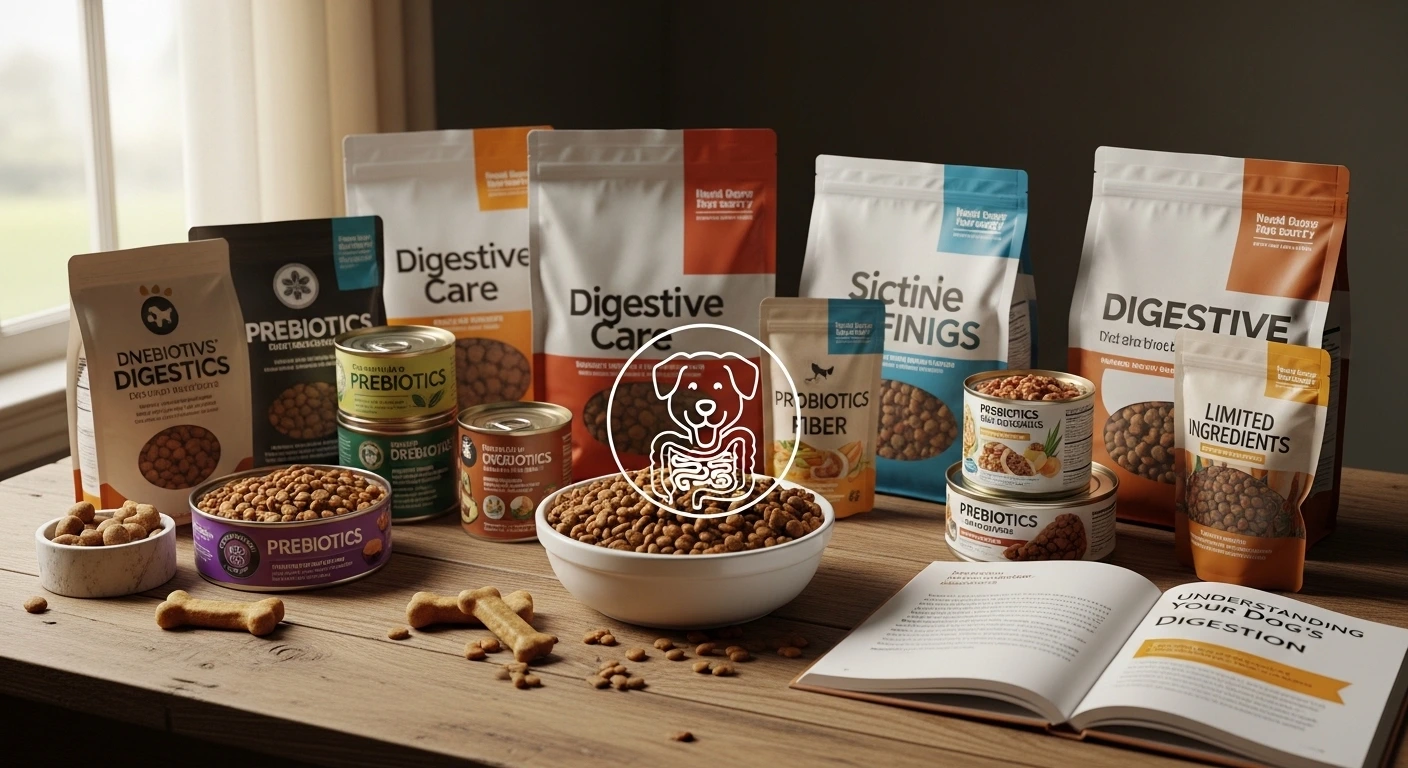
If a dog has digestive problems, feeding a normal diet can worsen the situation. Digestive support foods have the following characteristics:
Highly digestible ingredients: This food uses proteins and carbohydrates that are easily broken down and do not put an additional burden on the intestines. Companies like Royal Canin use L.I.P (Limited Indigestible Proteins) technology, which includes highly digestible proteins.
Extremely low in fat: Fat is the most difficult ingredient to digest. Fat further complicates the situation in pancreatic or liver problems. The fat content in digestive care foods is kept extremely low (up to 7% of dry matter). Royal Canin Gastrointestinal Low Fat is only 5.5% fat.
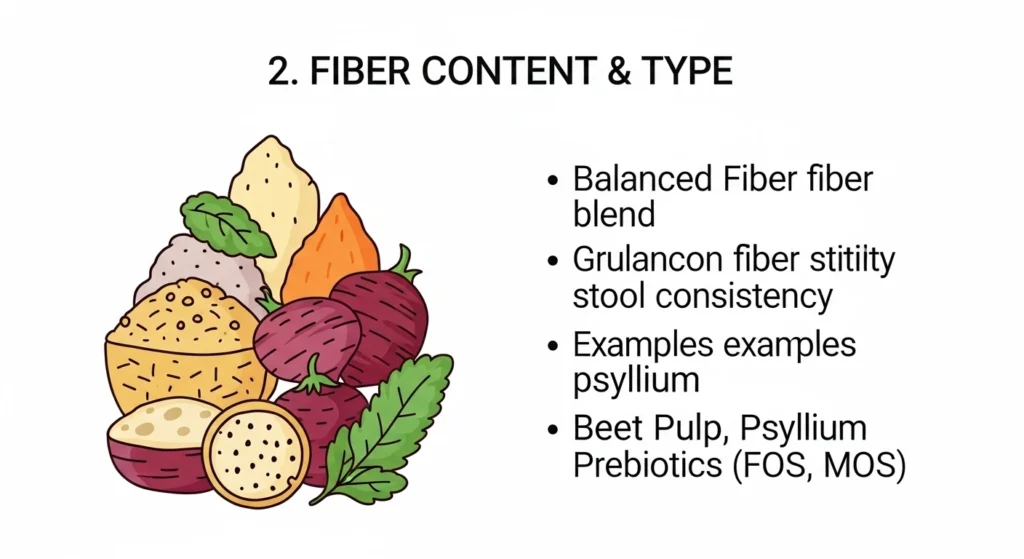
Prebiotic fiber: Prebiotics (such as FOS, chicory root) are food for beneficial bacteria in the intestines. These bacteria produce short-chain fatty acids that are essential for the health of the cells of the intestinal wall. Digestive care dog food contains a balance of soluble and insoluble fiber, which limits yeast and keeps bowel movements normal.
Omega-3 fatty acids (EPA/DHA): These components found in fish oil reduce inflammation and help repair the intestinal lining.
Adequate water intake: Wet food contains 78 to 80 percent water. Dehydration due to diarrhea can be dangerous, so wet food compensates for this deficiency.
Review of the best Digestive care dog food brands (2025-2026)
According to search results, the following foods are currently popular among experts and dog owners around the world:
1. Hills Prescription Diet i/d Digestive Care:
This food contains “Active Biome” technology that enhances intestinal bacteria. According to research, 86% of dogs with digestive complaints improved within a week with the use of this food. Protein 22%, fat 10.5%. Available in large and small kibble sizes.
2. Royal Canin Digestive Care:
This range of Royal Canin contains L.I.P protein, prebiotics and balanced fiber. 92% of small breed dogs found that the quality of their feces was excellent with the use of this food. Both wet and dry varieties are available. There is also a special formula for small breeds.
3. Royal Canin Gastrointestinal Low Fat:
Specialized for pancreatitis and fat intolerance. Fat only 5.5%. Protein 20%. Available in both kibble and canned (wet) varieties.
4. Blue Buffalo Natural Veterinary Diet GI:
Made from chicken, highly digestible. Rich in omega-3. Research on this diet has shown that it digests more than 83% of dry matter and maintains excellent waste quality.
5. Purina Pro Plan EN Gastroenteric Low Fat:
Only 5% fat. Pea-free. Contains grains. Good for dogs that can’t digest high fat.
6. Dechra Specific CIW-LF Digestive Support:
Hypoallergenic, hydrolyzed salmon protein and potato starch. Only 7% fat in dry matter. Nucleotides and OraGuard technology help repair the gut quickly.
7. Diamond Care Sensitive Stomach:
Egg protein-based, limited ingredient food. Grain-free. Affordable and quality option.
Prescription Diet vs. General Digestive Support Diet
It is important to understand the difference:
Veterinary Prescription Diet:
For diagnosed diseases (pancreatitis, IBD, EPI, etc.)
Very specific formula, often a single protein source
Very limited fat
Use under a doctor’s prescription and supervision
Examples: Hill’s Prescription Diet, Royal Canin Veterinary Diet
General Digestive Care/Sensitive Stomach:
Mild sensitivity, occasional indigestion, general gastrointestinal sensitivity
Digestible ingredients, moderate fat
Can be used without a doctor’s advice
Examples: Royal Canin Digestive Care, Diamond Care
Principles for choosing a digestive care dog food
Consult a doctor first: Do not self-diagnose If your dog has bloody diarrhea, persistent vomiting, or weight loss, see a vet immediately.
Read the ingredient list: The protein source should be clear. Check the fat percentage. Include prebiotics (FOS, inulin, chicory).
Make the transition to a new food slow: Mix the new food into the old food. Gradually increase the amount of new food over a 7-day period. According to Royal Canin, 25 percent new food on the first day, 75 percent old food; 100 percent new food on the seventh day.
Water supply: Wet food replenishes water loss, but fresh water should be available at all times.
Modern research and future food
Recent research (2026) has found that fermented pea starch (Candida utilis-fermented pea starch) has positive effects on the intestinal health of Digestive care dog food. It increases the number of beneficial bacteria (Faecalibacterium) in the feces, reduces cholesterol and triglycerides. This is a new dimension that could become part of digestive care dog food in the future.
How to recognize the symptoms of digestive diseases in dogs?
Vomiting: Occasional vomiting is not a cause for concern, but persistent vomiting, bloody vomiting, or vomiting right after eating are signs of danger.
Diarrhea: Watery diarrhea, mucus or bloody diarrhea, black tarry diarrhea.
Loss of appetite: Stop eating, weight loss.
Stomach sounds: gurgling (borborygmus), bloating, excessive gas.
Lethargy: Avoidance of play, lying down for long periods.
Excessive water intake or refusal to drink.
Benefits of digestive care dog food
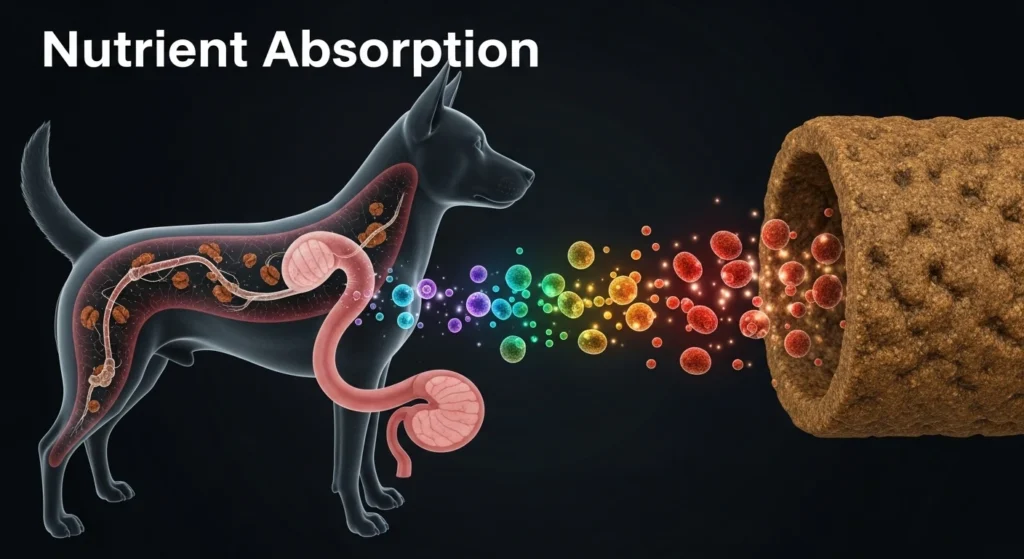
Immediate reduction in symptoms: 93% of cats and 86% of dogs using Veterinary HPM Digestive Support showed improvement within one week.
Improved stool quality: less diarrhea, firmer and more textured stool.
Nutritional restoration: Physical recovery after illness or surgery is accelerated.
Increased immunity: Antioxidants and nucleotides strengthen the immune system.
Kidney stone prevention: Raw formulas also help prevent bladder stones.
Cost and Economy
Digestive care dog food is more expensive than regular food. Hill’s and Royal Canin prescription diets are more expensive. However, this is part of the treatment. Brands like Diamond Care are relatively inexpensive. You can also reduce the cost by using expensive food in combination with cheaper food.
Home remedies and extra precautions
Do not feed human food: Fried foods, chocolate, onions, garlic, grapes, raisins are poisonous to dogs.
Small meals at a time: Feed small amounts three or four times a day instead of two.
Probiotics: Probiotic supplements can be given with the advice of a doctor.
Avoid stress: Excessive noise, strangers, travel can affect digestion.
Special food for small breeds
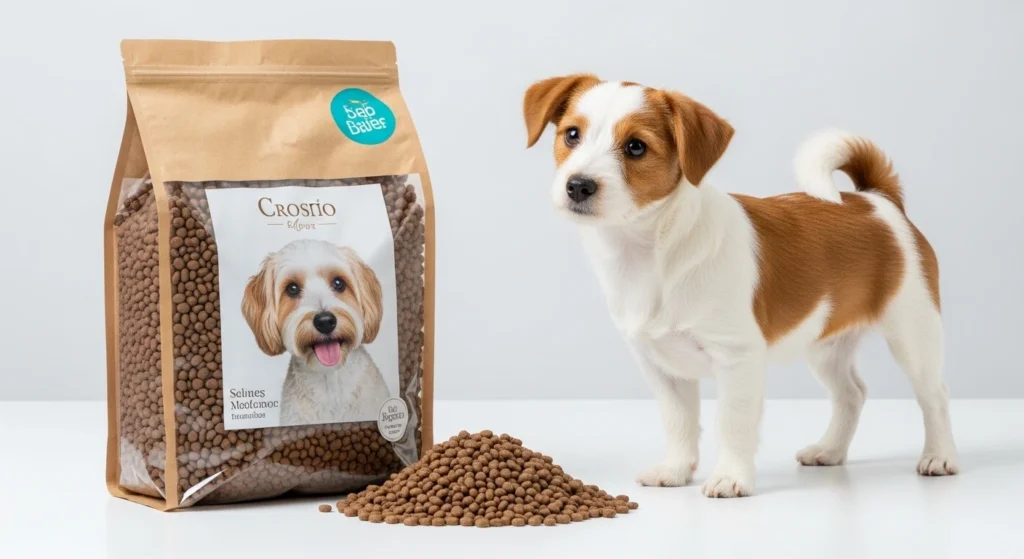
Small breeds (Yorkshire Terrier, Chihuahua, Pomeranian) have very delicate digestive systems. Royal Canin Small Digestive care dog food is specifically designed for dogs over 10 months old and weighing less than 10 kg. It has a smaller kibble size that is suitable for their small jaws.
Part 3: Common misconceptions about digestive care food
Misconceptions 1: “Grain-free is always better.”
Fact: Not all dogs need a grain-free diet. Some studies suggest a possible link between grain-free diets and heart disease.
Misconceptions 2: “Digestive support diets cannot be fed for life.”
Fact: In chronic diseases (IBD, EPI, pancreatitis), this diet can be continued for life.
Misconceptions 3: “Prescription diets should only be purchased from a doctor.”
Fact: You can also buy them from online pharmacies (e.g. Pet Drugs Online), but a doctor’s advice is required.
Who is Digestive Care Dog Food Not for?
Pregnant or lactating females, growing puppies, and dogs with high energy expenditure (hunters, racing dogs) require more fat and calories. Digestive care dog food (especially low-fat) is not suitable for them unless strictly prescribed by a veterinarian.
Conclusion and Appeal
A dog’s digestive system is a mirror of its overall health. If your dog is frequently sick, has a rumbling stomach, or has a problem with its stool, don’t ignore it. Digestive care dog food is not just food, it is a treatment. It reduces your dog’s suffering, restores its energy, and gives it a happy, healthy life.
It is our responsibility to understand the language of these silent friends of ours. They tell us that they are in pain through vomiting and diarrhea. Modern veterinary nutrition has given us the power to alleviate their suffering. Expensive food means cheaper treatment, as it avoids frequent visits to the vet, medications, and hospitalizations.
Feed your digestive care dog food, watch the joy on his face. When he wags his tail in gratitude, you will know you made the right decision.
Remember: Your dog is not your whole life, but you are his whole life. His health is your health.