How to Pick the Right Bag of Dog Food
Let’s be real walking into a pet store to buy Bag of Dog Food can feel overwhelming. You’re staring at rows and rows of bags, each one shouting at you: I’m the healthiest, I’m grain free. My ingredients are human grade. It’s enough to make you want to grab the cheapest bag and run.
I’ve been there. My dog, Buddy, went through three different foods before I finally found one that worked for him. One made him itchy, another gave him terrible gas (trust me, you don’t want that), and the third he just straight-up refused to eat. I’m not a vet or a pet nutritionist. I’m just a regular guy who made a lot of mistakes and learned from them. So let me save you some trouble.
This isn’t a scientific lecture. It’s a down-to-earth guide from one dog owner to another. We’ll cut through the marketing nonsense and get to what really matters: keeping your dog healthy, happy, and begging for dinner time.
Forget the Pretty Pictures Read the Back of the Bag of Dog Food
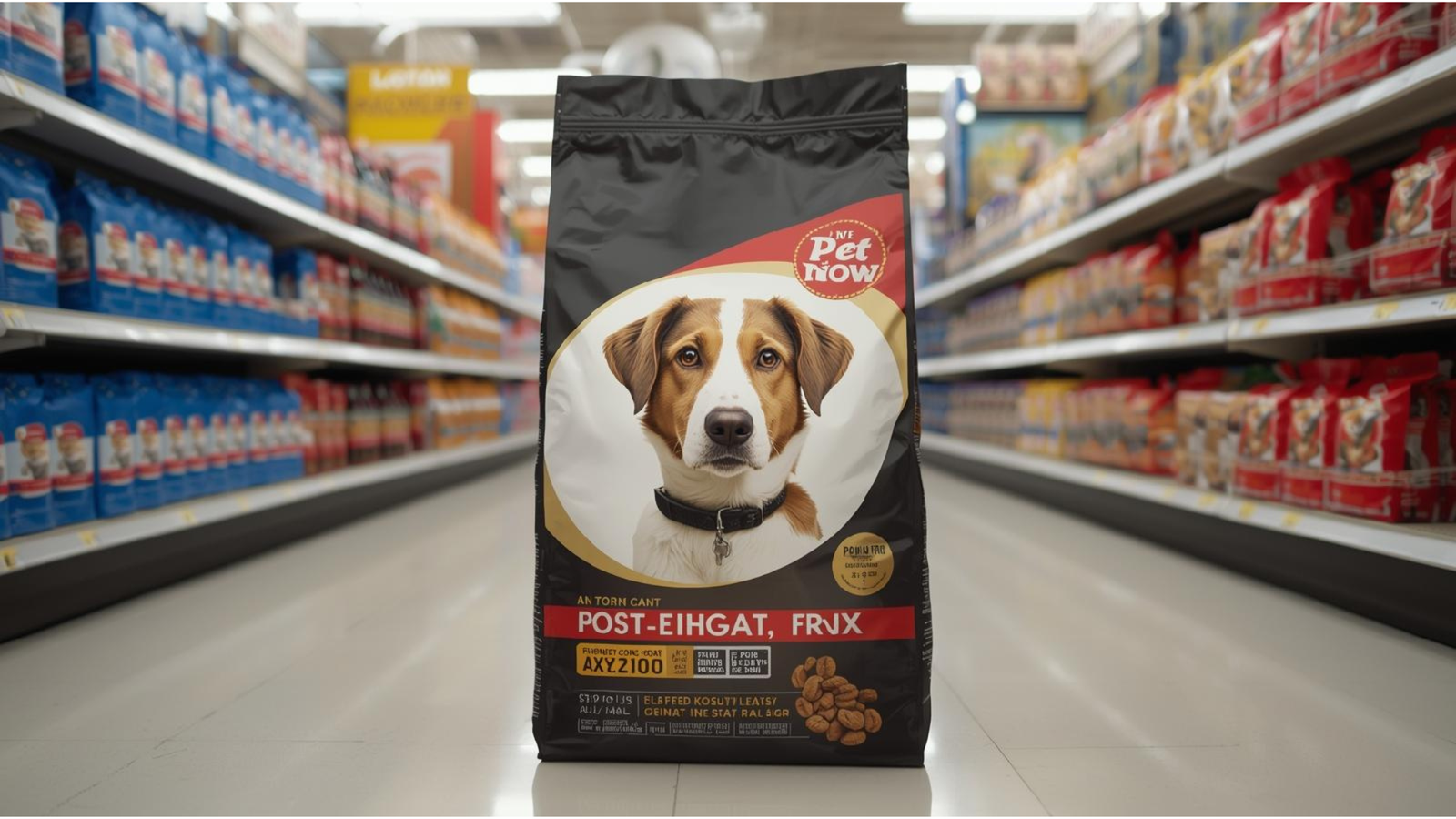
The front of the Bag of Dog Food is designed to catch your eye. It’s got pictures of happy dogs running through fields of wheat or jumping into lakes. Nice, but meaningless.
The Ingredients List: Your Best Friend
Ingredients are listed in order of weight. The first ingredient is what ‘s the most of in that bag. Here’s what you need to look for:
- First Ingredient = Meat: You want to see a real, named animal protein first. Chicken, beef, lamb, salmon, or duck. Not meat by-products, not poultry meal, and definitely not corn or wheat. If the first ingredient is a grain or something vague, put the bag back. You’re buying dog food, not farm animal feed.
- By-Products Aren’t All Bad: Now, don’t panic if you see chicken by-products lower on the list. This can include healthy organs like the liver and heart, which are packed with nutrients. The problem is when it’s vague. Animal by-products are a red flag you have no idea what’s in there.
- Watch for Fillers: Corn, wheat, and soy are cheap fillers. They add calories but not much quality nutrition. If they’re in the top five ingredients, the food is probably heavy on carbs and light on real meat.
- Artificial Junk: Avoid foods with artificial colors (like Red 40, Blue 2), flavors, or preservatives like BHA, BHT, and ethoxyquin. These can cause health problems over time.
The Guaranteed Analysis: It’s Not That Complicated
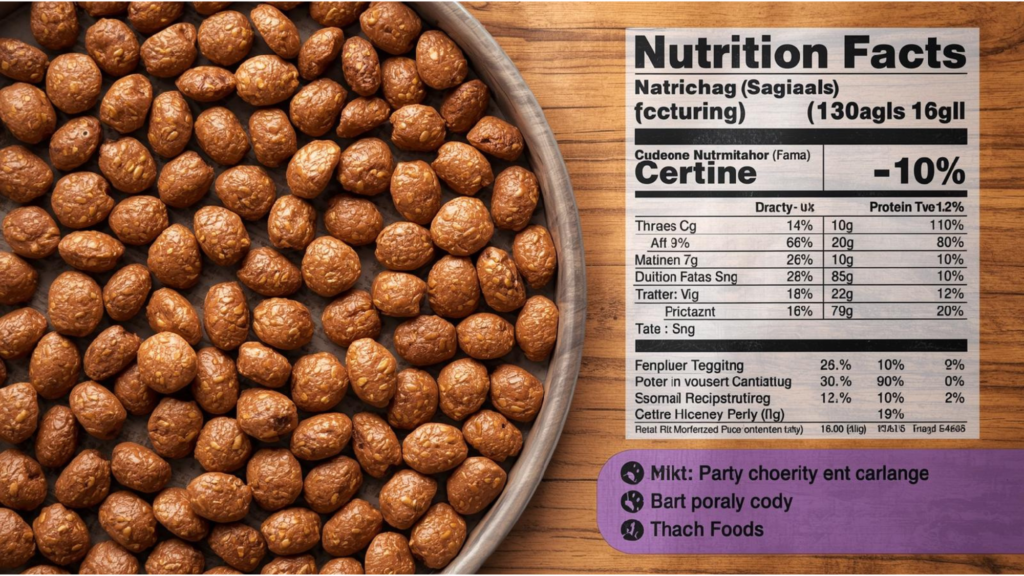
This box shows the minimum percentages of protein and fat, and the maximum percentages of fiber and moisture.
- Protein: For most adult dogs, aim for at least 18% protein. Active dogs, puppies, or working breeds need more — 22% or higher.
- Fat: Fat provides energy and keeps their coat shiny. Look for at least 5% for adults, more for active dogs.
- A Quick Math Trick: To compare wet food to dry food, ignore the moisture. Wet food looks lower in protein because it’s 75% water. The dry stuff inside is actually packed with nutrients.
Dry, Wet, Raw Which One is Right for Your Dog?
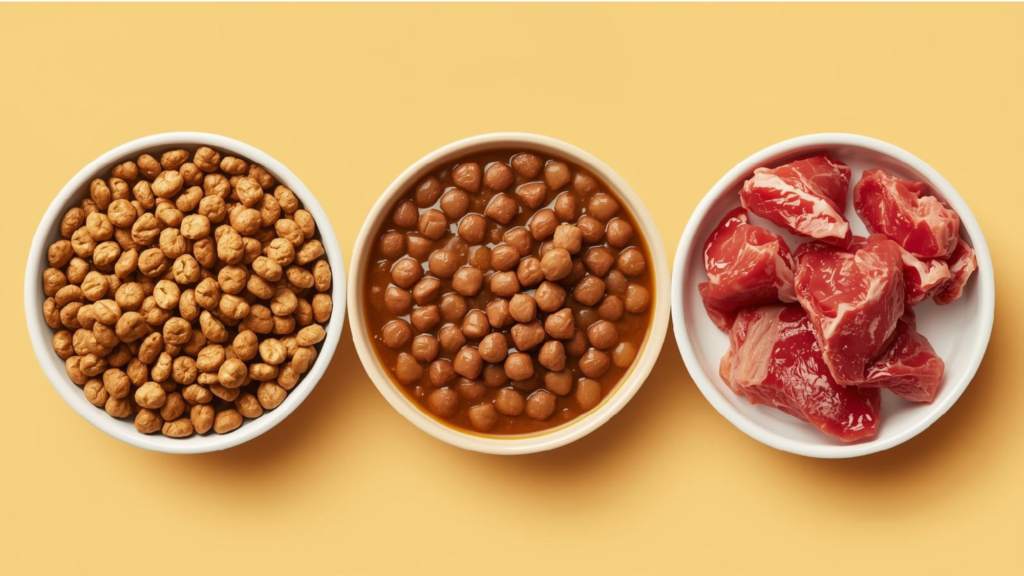
You’ve got three main paths here. Each has pros and cons.
1. Dry Food (Kibble)
This is the most popular choice, and for good reasons. It’s convenient, affordable, and has a long shelf life. The crunch can help scrape tartar off teeth.
- The Good: High-quality kibble uses real meat as the first ingredient, has healthy fats (like chicken fat or fish oil), and contains vitamins and minerals. It’s easy to measure and store.
- The Bad: Cheap kibble is full of corn, by-products, and artificial stuff. Some dogs get bored of it, and it doesn’t provide much moisture.
- My Take: Kibble is a great choice for most people. Just don’t buy the absolute cheapest Bag of Dog Food. Spend a few extra dollars for better ingredients.
2. Wet Food (Canned or Pouches)
This stuff smells strong, and dogs go crazy for it. It’s about 75% moisture, which is great for dogs who don’t drink enough water.
- The Good: Highly palatable, great for hydration, and easier to eat for older dogs or those with dental issues.
- The Bad: Expensive, spoils quickly once opened, and doesn’t help clean teeth. It can also contribute to weight gain if you’re not careful with portions.
- My Take: I use wet food as a topper. I mix a spoonful into Buddy’s kibble to make it more exciting. It’s a good way to get the benefits without breaking the bank.
3. Raw or Freeze-Dried Food
This is the back to nature option. It’s meant to mimic what dogs ate in the wild raw meat, bones, organs, and some veggies.
- The Good: Supporters say it leads to shinier coats, healthier skin, more energy, and smaller poops.
- The Bad: It’s very expensive. Handling raw meat can be risky (bacteria like Salmonella is a real concern). It’s also hard to make sure it’s nutritionally balanced on your own.
- My Take: If you have the time, money, and are willing to do the research, it can be a good option. Otherwise, high-quality kibble or wet Bag of Dog Food is just fine.
Special Diets: Grain-Free & Limited Ingredient
- Grain-Free: This trend blew up. People thought grains were bad for dogs. Now, the FDA is investigating a possible link between some grain-free diets and a serious heart condition called DCM. Don’t go grain-free just because it’s trendy. Only do it if your vet specifically recommends it for a grain allergy.
- Limited Ingredient Diets (LID): These are simple recipes with one protein and one carb source (like duck and potato). They’re lifesavers for dogs with real Bag of Dog Food allergies or sensitive stomachs.
Your Dog is One of a Kind Feed Him Like It

This is the most important part of the whole conversation. That bag of food isn’t for a dog. It’s for your dog.
- Age Matters:
- Puppies: Need food specifically labeled for growth or all life stages. It has more protein, fat, and essential nutrients like DHA for brain development.
- Adults: Need maintenance Bag of Dog Food to keep them at a healthy weight and energy level.
- Seniors: Often do better on Bag of Dog Food with fewer calories, more fiber, and added supplements for joint health (like glucosamine).
- Size & Breed:
- Small Breeds: Have fast metabolisms. They need calorie-dense food with small kibble they can easily chew.
- Large/Giant Breeds: Need food that supports their joints and controls their growth as puppies to prevent bone problems.
- Activity Level: A dog who hikes with you every weekend needs more calories and protein than a dog who prefers napping on the couch.
- Health Issues: This is critical. If your dog has itchy skin, ear infections, or digestive problems, the food could be the culprit. Talk to your vet. They might suggest a special diet with novel proteins (like venison or kangaroo) or a prescription food.
Brand Breakdown Who’s Actually Worth Your Money?
Let’s talk about real brands you’ll see on the shelf.
- The Vet-Recommended Ones (Hill’s Science Diet, Royal Canin, Purina Pro Plan): These companies spend millions on research and testing. Their Bag of Dog Food are backed by science and are incredibly consistent. They’re not flashy, but they’re reliable. Vets trust them because they see the results.
- The Natural Market Leaders (Blue Buffalo, Wellness, Taste of the Wild): They have fantastic marketing focused on real meat first and no artificial junk. Dogs usually love the taste. Just read the label—sometimes you’re paying for the beautiful Bag of Dog Food.
- The Budget Options (Kibbles ‘n Bits, Ol’ Roy, Pedigree): These are the cheapest Bag of Dog Food. They keep dogs alive, but they’re often full of fillers and low-quality ingredients. You’ll have to feed more to meet your dog’s needs, which cancels out the savings. I don’t recommend them.
- Boutique & Subscription Services (The Farmer’s Dog, Ollie): Fresh, human-grade food delivered to your door. The quality is very high, and so is the price. A great choice if money is no object.
My honest advice: Find the best quality food that fits your budget. A mid-range bag with real meat as the first ingredient is a million times better than the cheapest Bag of Dog Food on the bottom shelf.
You Bought the Bag Now What? (The At Home Guide)
- Transition Slowly. Please. Switching foods overnight is a recipe for disaster (diarrhea, vomiting, refusal to eat). Mix the new food with the old food over 7-10 days. Start with 25% new, 75% old. Gradually increase the new food every couple of days.
- Store it Right. Keep kibble in a cool, dry place. Don’t dump it into a bin and throw away the Bag of Dog Food. The bag has a special lining that keeps fats fresh. Put the whole Bag of Dog Food inside an airtight container. Keep the lot number and expiry date in case there’s ever a recall.
- Watch Your Dog, Not the Clock. The best review comes from your dog. After a few weeks on the new food, look for these signs of success:
- A shiny, soft coat.
- Firm, regular poops.
- Good energy levels, playful and alert.
- A healthy weight you can easily feel their ribs but not see them.
If you see dull fur, itching, loose stools, or low energy, the food might not agree with them.
Final Word: It’s More Than Just a Bag
That bag of dog food you’re holding represents more than just your next trip to the store. It’s an investment in your dog’s health and happiness. It’s about more walks, more playtime, and more years together.
Don’t get paralyzed by all the choices. Ignore the hype. Read the back of the Bag of Dog Food. Think about your actual dog. Start with a small bag to test. Watch how they do.
And remember your dog doesn’t care about marketing slogans or grain-free promises. They care about you. But by feeding them well, you’re showing them just how much you care back.
Now go give your pup a good scratch behind the ears. They’ve earned it.